
Planting
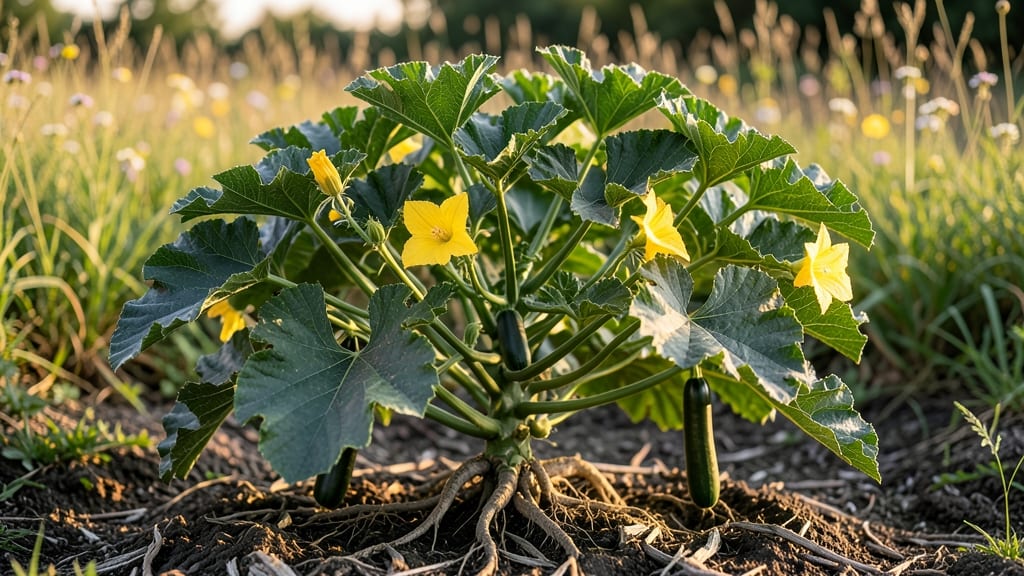
Growing Korean zucchini plants delivers smooth, nutty zucchini that outshine grocery store varieties—and it’s easier than you think. 🌱 These plants thrive in warm weather but can extend your harvest with the right care, giving you fresh produce from late spring until frost.
The secret lies in their adaptability: they handle heat better than traditional zucchini and produce fewer seeds, so every fruit is tender and flavorful.
Start with well-draining soil rich in compost (mix in 2-3 inches of aged compost before planting) and space plants 2-3 feet apart to prevent crowding. Korean zucchini loves sun—6-8 hours daily—but tolerates partial shade in hot climates.
Water deeply 1-2 times per week, keeping soil consistently moist but not soggy, to avoid blossom-end rot or powdery mildew. A balanced fertilizer (like 10-10-10) applied every 4-6 weeks keeps growth strong without overfeeding.
Harvest begins 45-55 days after planting, when zucchini are 6-8 inches long—smaller means sweeter! Prune yellowing leaves immediately to redirect energy to fruit production, and watch for squash bugs or cucumber beetles.
A row cover or neem oil spray keeps pests at bay without harsh chemicals. With this approach, you’ll enjoy 3-4 harvests per plant all season long, with minimal fuss.
Perfect for small gardens, containers, or even balconies (use 5-gallon pots for one plant). Adapt this method for cooler climates by starting seeds indoors 4-6 weeks before last frost or choosing heat-tolerant varieties.
The key is consistency—soil, water, and sun—and you’ll have zucchini that rivals restaurant quality, straight from your backyard.
📚 In This Guide
- What you need
- Instructions
- Tips and common mistakes
- Wrapping up and next steps
What you need
- ● Seeds or Seedlings: 3–5 Korean zucchini seeds (or 1–2 young seedlings from a nursery). Look for certified organic or heirloom varieties for best results.
- ● Containers or Garden Bed: For containers: 5-gallon pots or larger (at least 18" deep) with drainage holes. 3–5 pots per seedling.
- ● For ground planting: A sunny spot (6+ hours of sunlight daily) with well-draining soil. Space plants 2–3 feet apart.
- ● Potting Mix: High-quality, sterile seed-starting mix or a blend of 60% garden soil + 40% compost (avoid heavy clay soil).
- ● Fertilizer: Balanced, organic fertilizer (e.g., 10-10-10 or compost tea) for planting and a low-nitrogen, high-potassium fertilizer (like 5-10-10) during fruiting.
- ● Watering Can or Hose: With a gentle spray nozzle to avoid disturbing seedlings.
- ● Mulch: Straw or shredded leaves to retain moisture and suppress weeds.
- ● Pruning shears or scissors for harvesting and trimming.
- ● Garden gloves to protect your hands from thorns (some varieties have mild ones!).
- ● Trellis or stakes (if you want to grow vining varieties vertically—though Korean zucchini is typically bushy).
- ● pH test kit to ensure soil is slightly acidic to neutral (6.0–7.0).
- ● Row covers or shade cloth (for young plants to protect from pests or harsh sun).
- ● A warm climate or indoor growing setup (Korean zucchini thrives in USDA Zones 8–11; cooler zones need containers for overwintering).
- ● Patience! These plants take 50–60 days to mature but reward you with year-round harvests if cared for properly.
- ● Consistency in watering (keep soil evenly moist, not soggy).
Step-by-step guide to growing Korean zucchini year-round
Here’s how to cultivate this prolific variety with minimal fuss—just follow these proven steps.
🌱 Step 1: Select the Right Variety and Start Seeds Indoors
Korean zucchini (often called Korean zucchini or Dongdong zucchini) thrives in warm climates but can be grown year-round in containers or greenhouses. Start seeds indoors 6-8 weeks before your last frost date—this gives seedlings a strong head start. Use biodegradable seedling pots to avoid root disturbance later.
Fill pots with sterile seed-starting mix (never garden soil) and plant 2-3 seeds per pot at a depth of ½ inch. Keep the soil consistently moist but not soggy—bottom-watering (placing pots in a tray of water for 10 minutes) prevents overwatering. Place pots in a warm spot (70-75°F) until germination, which typically occurs in 7-10 days.
☀️ Step 2: Harden Off and Transplant for Maximum Growth
Once seedlings develop 2-3 true leaves, begin hardening them off by placing them outside in partial shade for 1-2 hours daily. Gradually increase exposure over 7-10 days, ending with full sun. Korean zucchini loves heat and needs full sun (6-8 hours daily) to produce abundantly.
Transplant seedlings outdoors after the last frost when soil temperatures reach 60°F. Space plants 18-24 inches apart—crowding leads to poor air circulation and disease. Bury the stem slightly deeper than the seedling pot to encourage stronger root growth. Water deeply at transplanting to settle the soil and reduce shock.
💧 Step 3: Water and Fertilize for Continuous Harvest
Korean zucchini is drought-tolerant once established, but consistent moisture is key during flowering and fruiting. Water deeply 1-2 times per week, aiming for 1-1.5 inches of water per week. Let the top 1-2 inches of soil dry between waterings to prevent root rot. Drip irrigation or soaker hoses work best—they deliver water at the base without wetting foliage, reducing fungal risks.
Feed plants every 3-4 weeks with a balanced organic fertilizer (10-10-10 or compost tea). You’ll notice larger leaves and more flowers within weeks—this means the plant is thriving. Stop fertilizing once fruits start forming to redirect energy to harvestable zucchini.
✂️ Step 4: Prune and Harvest for Year-Long Productivity
Pinch off the first few flowers to encourage bushier growth—this redirects energy to more productive vines. Once fruits form, harvest every 2-3 days to keep production steady. Korean zucchini stays productive for months, but overripe fruits turn seedy and bitter. Look for 3-5 inch-long zucchini with smooth, firm skin—they’re at peak flavor.
Prune leggy or yellowing leaves to improve airflow, which prevents powdery mildew. If vines sprawl, train them with soft ties to a trellis or stakes. This not only saves space but also makes harvesting easier. In colder months, move potted plants indoors near a sunny window or under grow lights to extend the harvest season.
⏰ Step 5: Overwinter and Prepare for Next Season
In frost-prone areas, bring potted Korean zucchini indoors before temperatures drop below 40°F. Place them in a bright, cool spot (50-60°F) and reduce watering. Prune back one-third of the plant to conserve energy. With proper care, they’ll produce sporadically through winter.
In spring, fertilize lightly and resume regular watering. If you’re growing in the ground, mulch heavily with straw or shredded leaves to protect roots. Korean zucchini is perennial in warm climates, so established plants may regrow year after year with minimal care.
Tips & tricks for growing Korean zucchini like a pro
These game-changing strategies will help you maximize your Korean zucchini harvest with less effort and more success.
Seed Starting Savvy: I learned the hard way that using biodegradable pots isn't just about convenience—it's about root health. Those 2-3 seeds per pot should be spaced just ½ inch apart to prevent overcrowding early on. The 10-minute bottom-watering technique is your secret weapon for consistent moisture without soggy soil. Pro tip: Place a small fan nearby during germination to strengthen stems for transplanting.
Transplanting Technique: The 60°F soil temperature requirement isn't just a number—it's the sweet spot where roots establish without shock. When burying stems deeper, aim for about 1 inch below soil level. This encourages stronger root growth and compensates for any stem damage during transplanting. I've found that watering deeply right after transplanting helps settle the soil and reduces air pockets around roots.
Harvest Timing: Those 2-3 day harvest intervals might seem frequent, but they're essential for continuous production. Look for zucchini between 3-5 inches—any longer and they become seedy and less tender. I harvest in the morning when temperatures are cooler, which helps prevent wilting. The key is consistency: once you establish this routine, your plants will reward you with non-stop production.
Winter Survival Strategy: When bringing plants indoors before 40°F, don't rush the transition. Acclimate them gradually over 3-5 days by moving them to cooler spots each day. The 50-60°F range indoors is perfect for winter production. I've had success keeping plants alive through winter with just 10-15% of their normal watering schedule—they're remarkably resilient once established.
Pro Tips for Korean Zucchini Plant
- These game-changing strategies will help you maximize your Korean zucchini harvest with less effort and more success.
- Seed Starting Savvy: I learned the hard way that using biodegradable pots isn't just about convenience—it's about root health.
- Transplanting Technique: The 60°F soil temperature requirement isn't just a number—it's the sweet spot where roots establish without shock.
Frequently asked questions
Got questions about growing your own Korean zucchini plant? You’re not alone!
Here are the most common queries—and straightforward answers—to help you cultivate a thriving harvest with ease.
How long does it take for a Korean zucchini plant to produce fruit?
Korean zucchini (or chayote) is a fast grower! With the right conditions—warm soil (70°F+), consistent moisture, and partial shade—you can expect tiny, edible fruits (called pepinos) as early as 3–4 months after planting. Full-sized zucchini may take 6–9 months, but you’ll get a steady supply of baby zucchinis along the way.
Can Korean zucchini plants survive winter, or do I need to replant every year?
In colder climates (USDA zones 8–11), Korean zucchini is tender perennials—they’ll die back in frost but often regrow from the roots if protected. For zones below 8, treat them as annuals and replant in spring. Mulch heavily in fall or grow them in containers to move indoors during winter. Pro tip: Harvest all fruit before temps drop below 50°F to avoid bitterness.
What’s the best way to prune a Korean zucchini vine for bigger harvests?
Unlike bushy zucchini, Korean zucchini vines can get wild—prune aggressively to boost fruit production! Trim back overly long vines (leave 3–4 feet) and pinch off side shoots to redirect energy to fruit. Remove yellow leaves or damaged growth to prevent pests. When to prune: Early morning on dry days for fastest recovery.
Why are my Korean zucchini leaves turning yellow, and how do I fix it?
Yellow leaves usually signal overwatering, underwatering, or nutrient deficiency. Check soil moisture—it should stay evenly damp but not soggy. If leaves are crispy and brown, it’s underwatering; if mushy and wilting, it’s overwatering. For yellowing between veins, add iron or magnesium (Epsom salt spray helps!). Pests like aphids can also cause yellowing—blast them off with water or use neem oil.
Are Korean zucchini and regular zucchini interchangeable in recipes?
Not exactly! Korean zucchini (chayote) has a nutty, slightly sweet flavor and denser texture—great raw in salads or pickled, but it’s not a 1:1 sub for summer squash. For baking or grilling, peel and slice it thinly (the skin’s tough!). Try it in stir-fries, soups, or even roasted—its mild taste pairs well with bold spices like chili or soy sauce. Experiment!
How often should I fertilize Korean zucchini plants for maximum yield?
Feed lightly but consistently! Use a balanced fertilizer (10-10-10) every 4–6 weeks during growing season (spring–fall). Switch to a low-nitrogen, high-phosphorus fertilizer (like 5-10-10) when flowers appear to boost fruiting. Organic option: Compost tea or banana peels (for potassium) work wonders. Stop fertilizing 4–6 weeks before first frost to encourage ripening.
Wrapping up and next steps
Growing a Korean zucchini plant is a rewarding journey that brings year-round harvests with minimal fuss—perfect for both beginners and seasoned gardeners! 🌱 With the right soil, sunlight, and a little patience, you’ll enjoy fresh, nutritious produce straight from your backyard.
Whether you’re a foodie or just love the satisfaction of homegrown veggies, this resilient plant makes it easy to turn your green space into a bountiful garden.
Ready to take the next step? Start by gathering your materials, then plant your seeds or seedlings and watch your Korean zucchini thrive. Happy gardening—your future meals (and bragging rights!) will thank you! 🌿✨