
Planting
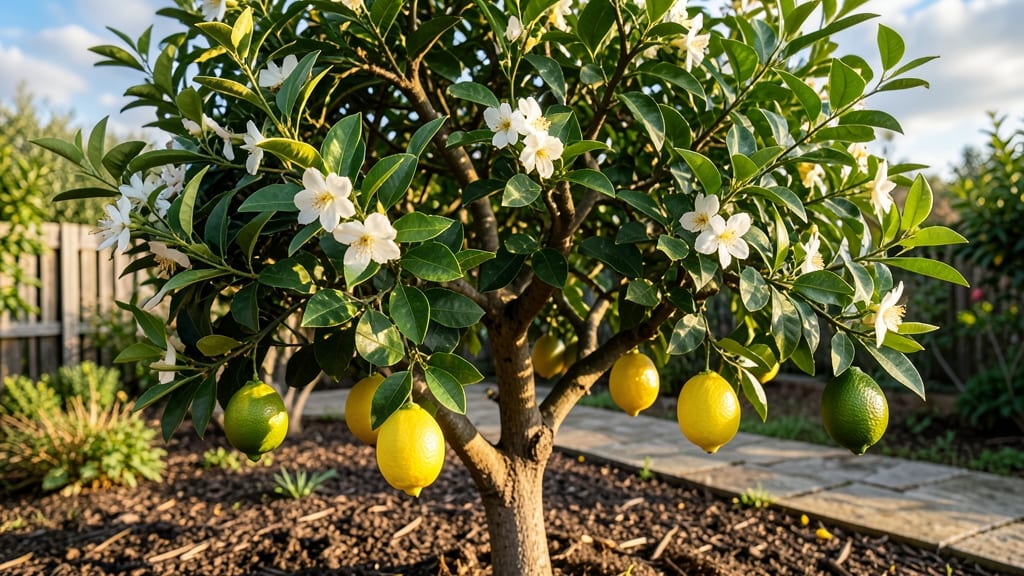
Growing an Italian lemon plant indoors means waking up to the sharp, sweet scent of citrus every morning. 🌿 I’ve had mine for three years now, and it’s given me lemons, lush foliage, and that intoxicating fragrance—all without stepping outside.
The secret isn’t complicated, but it does require understanding how this Mediterranean native adapts to indoor life. You’ll need bright, indirect light (think east or south-facing windows), well-draining soil, and a pot with drainage holes.
Overwatering is the #1 killer—let the top inch of soil dry out between waterings—and keep temperatures between 60-75°F. Prune in early spring to shape the plant and encourage new growth, and fertilize lightly every 4-6 weeks during growing season.
By summer, you’ll be harvesting small, tart lemons that taste fresher than anything from the store. The plant stays compact enough for a sunny kitchen or bright living room, and with proper care, it can live for decades.
The first time you smell those blossoms in winter, you’ll understand why this isn’t just a houseplant—it’s a year-round citrus experience. Whether you’re in USDA Zone 9 or a cold-weather apartment, this guide covers how to adapt care for your climate. Let’s get those lemons growing!
📚 In This Guide
- What you need
- Instructions
- Tips and common mistakes
- Wrapping up and next steps
What you need
- ● Italian Lemon Plant: A healthy nursery-grown plant (3–6 inches tall) or a mature cutting (4–6 inches long with 3–4 leaves). Pro tip: Look for organic, disease-free specimens!
- ● Well-draining potting mix: 5–10 gallons of a blend designed for citrus (e.g., 60% peat moss, 30% perlite, 10% sand). 💡 Avoid garden soil—it compacts and suffocates roots!
- ● Pot: A container with drainage holes (12–18 inches in diameter for mature plants). Terracotta or ceramic works best.
- ● Fertilizer: A balanced citrus fertilizer (e.g., 6-6-6 NPK ratio) or organic options like fish emulsion or compost tea.
- ● Pruning shears: Sharp, sterilized shears for trimming dead leaves or shaping the plant.
- ● Watering can: With a narrow spout to avoid disturbing the soil.
- ○ Humidity tray or pebble tray: Optional but helpful for maintaining 40–60% humidity.
- ● Grow lights: LED full-spectrum bulbs (12–16 hours/day) if natural light is limited.
- ● Citrus-specific soil amendments: Epsom salt (1 tsp/month) for magnesium or worm castings for nutrients.
- ● Support stake or trellis: For heavier branches as the plant matures.
- ● Spray bottle: For misting leaves to boost humidity.
- ● pH testing kit: To monitor soil pH (ideal range: 6.0–7.0 for citrus).
- ● A sunny spot: South- or west-facing window (or a grow light setup) for 6–8 hours of light daily.
- ● Stable temperature: Keep indoors between 60–75°F (15–24°C). Avoid drafts or cold windows.
- ● Patience: Lemon plants take 1–3 years to bear fruit indoors!
How to grow an Italian lemon plant indoors
Here's how to nurture a fragrant, fruit-bearing Italian lemon tree that thrives indoors all year.
🌱 Step 1: Select and Prepare the Right Container
Choose a pot with drainage holes at least 12-14 inches wide—Italian lemons need room to develop strong roots. I like unglazed terra cotta because it breathes and helps regulate soil moisture. Fill the bottom third with gravel or expanded clay pebbles to create a drainage layer that prevents soggy roots.
Use a well-draining potting mix designed for citrus. A blend of 60% peat moss, 20% perlite, and 20% sand works perfectly. Avoid garden soil—it compacts and suffocates roots. Moisten the mix until it feels like a damp sponge, then fill the pot to within 2 inches of the rim.
☀️ Step 2: Position for Optimal Light and Temperature
Italian lemon plants crave bright, indirect light—think east or south-facing windows with sheer curtains. Without enough light, leaves yellow and growth stalls. If your space is dim, supplement with a grow light positioned 12-18 inches away for 12-14 hours daily.
Keep temperatures between 65-75°F during the day and no lower than 55°F at night. Drafts from windows or doors stress the plant, so avoid placing it near them. You'll notice glossy, vibrant leaves when conditions are ideal—dull or spotted leaves signal stress.
💧 Step 3: Water Deeply and Maintain Proper Humidity
Water when the top 2 inches of soil feel dry—stick your finger in to check. Soak the soil until water drains freely from the bottom, then empty the saucer to prevent root rot. Overwatering is the #1 killer of indoor lemon trees, so always let excess moisture escape.
Mist the leaves weekly or place the pot on a tray filled with pebbles and water to increase humidity. Italian lemons thrive in 50-60% humidity, but dry indoor air causes brown leaf tips. A small humidifier near the plant works wonders, especially in winter when heaters dry the air.
✂️ Step 4: Prune and Fertilize for Healthy Growth
Prune in early spring by cutting back leggy stems to encourage bushier growth. Use clean, sharp pruners to make cuts just above a leaf node. Remove any dead, yellow, or crowded branches—this improves airflow and prevents disease. I also pinch off flower buds the first year to focus energy on foliage growth.
Feed every 4-6 weeks during spring and summer with a balanced citrus fertilizer diluted to half strength. Over-fertilizing burns roots, so always follow package instructions. You'll see new growth within weeks—thick, dark green leaves and small, fragrant new shoots signal healthy development.
🍋 Step 5: Encourage Flowering and Fruit Production
Once your plant is 2-3 years old and well-established, it can handle flowering. To boost blooms, reduce water slightly and move the plant to a slightly cooler spot (60-65°F) for 2-3 weeks in late winter. This mimics seasonal changes and triggers flowering.
If flowers appear but drop off, it’s often due to low humidity or sudden temperature shifts. Once fruit sets, thin it to 3-4 lemons per plant—too many fruits drain the plant. You’ll know they’re ripe when they turn bright yellow and smell citrusy (not green or sour).
Tips & tricks for perfect Italian lemon plant care
These practical insights will help your citrus tree thrive indoors like a seasoned gardener's treasure.
The Container Secret: While terra cotta is ideal, plastic pots work too—just ensure they have drainage holes. I've seen Italian lemons grow beautifully in glazed ceramic pots as long as the drainage layer is properly maintained. The key is never letting roots sit in standing water, which causes rot faster than you'd expect.
Lighting Hack: That 12-14 hour daily light requirement might seem tricky, but don't stress about exact timing. Simply position your plant near the brightest window and rotate it a quarter turn weekly. This ensures even growth and prevents the plant from leaning toward the light source. A south-facing window gets the most natural sunlight.
Watering Wisdom: The "top 2 inches dry" rule works perfectly, but here's the real trick: Use room temperature water. Cold water can shock the roots, especially in winter when your home's water comes straight from chilled pipes. I always fill a pitcher the night before and let it sit at room temperature for watering.
Fertilizer Timing: Those 4-6 week intervals during spring and summer are crucial, but don't fertilize in fall or winter. The plant enters a natural resting phase when days grow shorter, and feeding during this time stresses the roots. I mark my calendar with reminders to stop fertilizing by late September each year.
Pro Tips for Italian Lemon Plant
- These practical insights will help your citrus tree thrive indoors like a seasoned gardener's treasure.
- The Container Secret: While terra cotta is ideal, plastic pots work too—just ensure they have drainage holes.
- Lighting Hack: That 12-14 hour daily light requirement might seem tricky, but don't stress about exact timing.
Frequently asked questions
Got questions about your Italian lemon plant?
You’re not alone! Here are some of the most common queries—plus quick, practical answers to keep your citrusy companion thriving.
How often should I water my Italian lemon plant?
Water when the top 1-2 inches of soil feel dry to the touch. Overwatering is the #1 killer—stick to every 7-10 days (adjust for humidity/drainage). Yellow leaves? You’re likely overdoing it. Pro tip: Use a moisture meter for precision!
Can Italian lemon plants survive winter indoors?
They thrive indoors year-round but need bright, indirect light (south-facing windows are ideal). If leaves yellow or drop, they’re craving warmth (keep temps above 50°F). A grow light helps in dim spaces. Bonus: Rotate the pot monthly for even growth!
Will my Italian lemon plant ever produce edible lemons?
Most indoor Italian lemon plants (Citrus × limon ‘Four Seasons’) are grown for foliage, not fruit. However, with patience (3-5+ years) and ideal care (full sun, fertilizer, humidity), you might get tiny, tart lemons—best used for tea or garnishes! Fun fact: Even non-fruiting plants purify air like a mini air freshener!
Why are the leaves curling or spotted?
Curling/spotting usually signals pests (spider mites, aphids) or overwatering. Check undersides of leaves for tiny webs or bugs. Treat with neem oil or insecticidal soap. Preventative tip: Wipe leaves monthly with a damp cloth to deter pests. Yellow spots? Could be sunburn—move to indirect light ASAP!
What’s a good alternative if I can’t grow an Italian lemon plant?
Try these low-maintenance citrus doubles:
- Meyer lemon (hardier, sweeter fruit)
- Calamondin orange (dwarf, fragrant, edible)
- Dwarf kumquat (compact, cold-tolerant)
Wrapping up and next steps
Growing an Italian lemon plant indoors isn’t just about adding greenery—it’s about bringing a burst of fragrant citrus joy into your space year-round! 🌿 With the right care, sunlight, and a little patience, you’ll be rewarded with luscious leaves, delicate blossoms, and even homegrown lemons.
Whether you’re a seasoned plant parent or just starting, this vibrant addition is sure to brighten your home and inspire your green thumb.
Ready to take the next step? Start with a healthy plant, follow the care tips, and watch it thrive! Share your progress with fellow plant lovers—your Italian lemon plant journey is just beginning! 🌱✨