
Planting
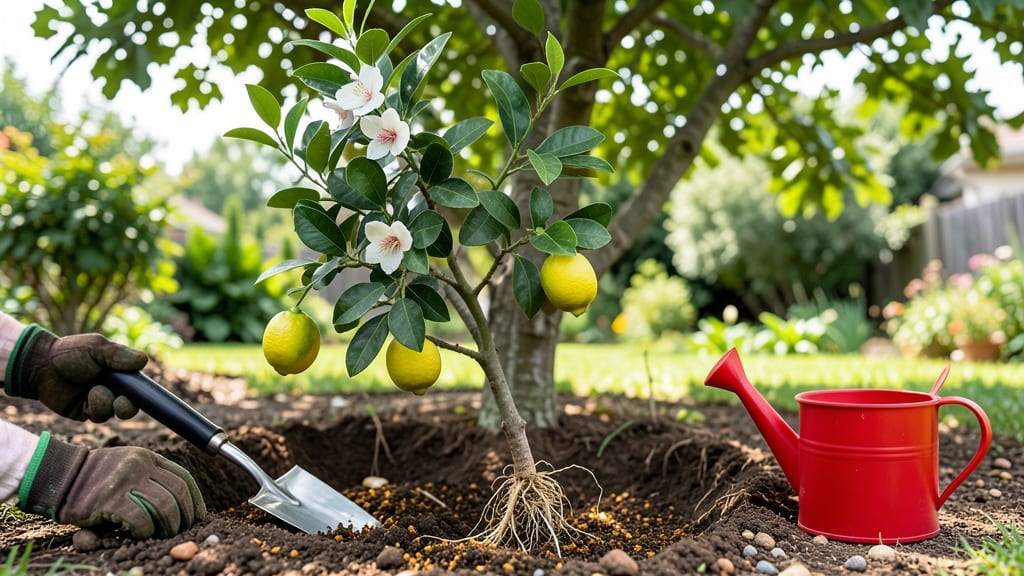
Planting a Meyer lemon tree means turning your patio or yard into a year-round citrus grove—if you do it right. 🌱 I've learned the hard way that these trees aren't as forgiving as they look, but with the right soil, sun, and care, they reward you with fragrant blossoms and sweet lemons within just a few seasons.
The key starts with location: Meyer lemons need at least 6-8 hours of direct sun daily and shelter from cold winds. If you're planting in containers, choose a pot 12-18 inches wide with drainage holes—these trees hate soggy roots.
For in-ground planting, amend heavy soil with compost to improve drainage, since Meyer lemons despise sitting in wet feet for long.
Once planted, water deeply but let the top inch of soil dry between waterings—overwatering kills more lemon trees than anything else. In frost-prone areas, wrap young trees in burlap or move containers indoors before temperatures dip below 25°F.
With proper care, you'll see new growth within weeks and your first lemons by year three.
Whether you're growing from a nursery tree or a seedling, the same rules apply: patience and consistency. These trees thrive with regular feeding (citrus-specific fertilizer in spring) and occasional pruning to shape their growth.
The payoff? Homegrown lemons that taste nothing like the store-bought variety—and the pride of growing something so vibrant in your own space.
📚 In This Guide
- What you need
- Instructions
- Tips and common mistakes
- Wrapping up and next steps
What you need
- ● Meyer lemon tree: A healthy, 1- to 3-gallon potted sapling (ensure it’s disease-free and well-rooted).
- ● Well-draining potting mix: A high-quality citrus blend (e.g., Miracle-Gro Citrus, Potting Soil Mix) or a mix of 60% potting soil + 40% perlite/sand for containers.
- ● Container (if planting in a pot): Minimum 15-gallon pot (5-gallon for young trees, but upgrade as it grows).
- ● Pot with drainage holes (essential to prevent root rot!).
- ● Garden soil (if planting in ground): Loamy, well-draining soil with a pH of 6.0–7.0 (amend with compost if needed).
- ● Slow-release citrus fertilizer: Look for a balanced NPK (e.g., 6-6-6 or 10-10-10) with micronutrients like iron and zinc.
- ● Mulch: Organic mulch (e.g., straw, wood chips) to retain moisture and regulate soil temperature.
- ● Pruning shears: Sharp, clean shears for trimming dead or overgrown branches.
- ● Watering can or hose with a gentle nozzle: Avoid blasting the tree’s roots.
- ○ Gloves (optional but recommended): Protect your hands from thorns and soil.
- ● Citrus tree support stake: For young trees in windy areas (use a 3–4 ft stake).
- ● Epsom salt (magnesium sulfate): Helps prevent yellowing leaves (mix 1 tbsp per gallon of water monthly).
- ● Fungicide (copper-based): Preemptive treatment for potential fungal issues.
- ● Self-watering pot or drip irrigation: Keeps moisture consistent (great for containers!).
- ● Citrus tree spray (neem oil or insecticidal soap): For pest control (e.g., aphids, spider mites).
Step-by-step instructions for planting a Meyer lemon tree
Here’s my foolproof method for getting your Meyer lemon tree off to a strong start—whether you’re planting in containers or in the ground.
🌱 Step 1: Choose the Right Location and Prepare the Soil
Meyer lemon trees thrive in full sun—at least 6-8 hours daily—so pick a spot with southern or western exposure. If you’re planting in containers, place them where they’ll get the most light, like a sunny patio or balcony. Avoid spots where cold drafts or frost can damage the tree.
For ground planting, amend the soil with well-draining mix—Meyer lemons hate soggy roots. Work in 2-3 inches of compost and a handful of citrus-specific fertilizer (or a balanced 6-6-6 mix) into the top 12 inches of soil. The goal is loose, airy soil that mimics their native Mediterranean conditions. Test your soil’s pH—Meyer lemons prefer slightly acidic to neutral (6.0-7.0).
🪴 Step 2: Plant at the Correct Depth and Support the Tree
Dig a hole twice as wide as the root ball but no deeper—planting too deep suffocates roots. If your tree came in a container, gently loosen the roots and tease them outward before placing it in the hole. For ground planting, set the tree so the graft union (the bump where the tree was joined to its rootstock) sits 1-2 inches above soil level. This prevents rot and encourages strong growth.
Backfill with the amended soil, pressing lightly to remove air pockets. Water deeply to settle the soil, then add a 4-6 inch layer of mulch (like bark or straw) around the base, keeping it 2-3 inches away from the trunk. This conserves moisture and regulates soil temperature. If planting in a container, use a 12-18 inch pot with drainage holes and fill with citrus-specific potting mix—never garden soil.
☀️ Step 3: Water and Protect for the First Critical Months
Water deeply every 2-3 days for the first month, letting the top 2 inches of soil dry out between waterings. Overwatering is the fastest way to kill a Meyer lemon—soggy soil leads to root rot. After the initial phase, adjust to once a week (more in summer, less in winter), always checking soil moisture before watering. Use a moisture meter or stick your finger in—if it’s dry 1 inch down, it’s time.
Protect young trees from cold snaps (below 30°F) by covering with frost cloth or moving containers indoors. If you’re in a frost-prone zone, wait until spring (after last frost) to plant outdoors. Prune any yellow or damaged leaves immediately—they signal stress. Once established (after 6-12 months), your tree will reward you with fragrant white blossoms and sweet, juicy lemons.
✂️ Step 4: Fertilize and Prune for Healthy Growth
Feed your Meyer lemon every 2 months with a citrus-specific fertilizer (high in nitrogen for growth, then switch to a bloom-boosting formula like 5-10-10 in late winter). I like to alternate between a balanced fertilizer in spring/summer and a low-nitrogen, high-phosphorus one in fall to encourage flowering. Always water before fertilizing to prevent root burn.
Prune in late winter or early spring before new growth starts. Remove any dead, crossing, or inward-growing branches with clean, sharp shears. Thin out overcrowded areas to improve airflow—this prevents fungal diseases. Avoid heavy pruning; Meyer lemons are sensitive, and aggressive cuts stress the tree. A light trim to shape and open the canopy is all you need.
Tips & tricks for planting a thriving Meyer lemon tree
These simple but game-changing tips will help you avoid common pitfalls and set your Meyer lemon tree up for long-term success.
Sunlight Secret: While 6-8 hours of sunlight is the minimum, I’ve found that positioning your tree to catch those golden afternoon rays (between 2-6 PM) makes all the difference. If you’re in a container, rotate it every few weeks so all sides get equal light exposure. This prevents lopsided growth and ensures even fruit production. The extra sunlight in late afternoon helps the tree develop that signature Meyer lemon sweetness.
Soil Science: That 2-3 inches of compost recommendation isn’t just about nutrients—it’s about creating the perfect air-to-moisture ratio. I like to mix in perlite or coarse sand (about 20% of the soil volume) to improve drainage further. For container growers, this is especially critical because potting mixes can compact over time. Test your amended soil by squeezing a handful—it should crumble easily but still hold its shape, like a damp sponge.
Watering Wisdom: The 2-3 day watering schedule in the first month might seem tricky, but here’s my trick: use the "finger test" consistently. Stick your finger 1 inch down—if it feels dry, water deeply until it runs out the drainage holes (for containers) or seeps 6 inches down (for ground planting). The key is to mimic Mediterranean rainfall patterns: infrequent but thorough waterings that encourage deep root growth. Overwatering is the silent killer, so when in doubt, wait one more day.
Cold Protection Pro Tip: That 30°F threshold is where things get serious, but I’ve learned to prepare for temperatures just a few degrees above it too. If you’re using frost cloth, secure it tightly with clips or weights—citrus trees can’t handle even light breezes when protected. For container growers, move your tree to a garage or sunroom with a south-facing window. I’ve saved several trees by acting at 32°F rather than waiting for the forecasted 30°F drop.
Pro Tips for Plant Meyer Lemon Tree
- These simple but game-changing tips will help you avoid common pitfalls and set your Meyer lemon tree up for long-ter...
- Sunlight Secret: While 6-8 hours of sunlight is the minimum, I’ve found that positioning your tree to catch those gol...
- Soil Science: That 2-3 inches of compost recommendation isn’t just about nutrients—it’s about creating the perfect ai...
Frequently asked questions
Got questions about growing your Meyer lemon tree? Here are some of the most common ones—and their answers!
Can I grow a Meyer lemon tree indoors?
Meyer lemon trees thrive indoors with plenty of sunlight (6+ hours daily) and a warm spot (60–75°F). Use a large container (at least 15 gallons) with drainage holes, and rotate the pot occasionally for even growth. Just watch for pests like spider mites and keep the soil moist but not soggy.
How long does it take for a Meyer lemon tree to bear fruit?
With proper care, you can expect first fruits in 2–3 years for container-grown trees and 3–5 years for those planted in the ground. Patience pays off—healthy trees produce sweet, juicy lemons year-round in warm climates (or seasonally in cooler zones). Prune lightly to encourage fruiting!
What’s the best fertilizer for a Meyer lemon tree?
Use a balanced citrus fertilizer (like 6-6-6 or 8-3-9) every 4–6 weeks during spring and summer. In fall/winter, switch to a low-nitrogen formula (like 3-1-2) to support root health. Pro tip: Mix compost into the soil annually for organic nutrients!
Why are my lemon tree leaves turning yellow?
Yellow leaves often signal overwatering or nutrient deficiencies. Check the soil—it should be slightly dry before watering. If roots smell rotten, repot in fresh soil. Yellowing between veins may mean iron deficiency; use a citrus-specific chelated iron supplement if needed.
Can I plant a Meyer lemon tree in a pot if I live in a cold climate?
Yes! Overwinter your container tree in a cool, bright spot (50–60°F) and reduce watering. Avoid drafts or freezing temps. In spring, move it back outdoors gradually. If you’re in Zone 9 or colder, consider a dwarf variety for easier indoor care.
Do Meyer lemon trees need cross-pollination?
Nope! Meyer lemon trees are self-pollinating, so you don’t need another tree nearby. Just give it a little help by gently shaking the branches or using a small brush to transfer pollen if flowers aren’t producing fruit.
Wrapping up and next steps
Planting a Meyer lemon tree is a rewarding journey that brings sunshine, fresh citrus, and endless possibilities to your garden or balcony! 🌱 With the right location, soil, and care, you’ll soon enjoy homegrown lemons for cooking, baking, or simply savoring. Don’t let small challenges discourage you—every expert gardener started with a single seedling!
Now that you’re armed with the know-how, take the next step! Whether you’re planting in a pot or the ground, check local frost dates and prepare your space. Happy planting—and may your tree thrive! 🍋✨