
Planting
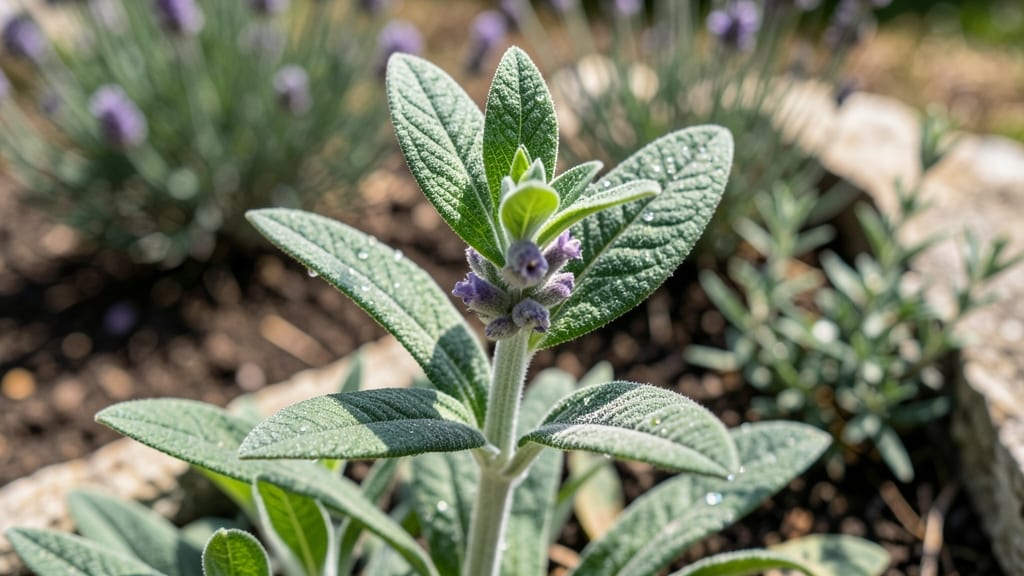
Yes, there is a plant that repels wasps—mint, basil, lemongrass, marigolds, and citronella naturally deter them by emitting strong scents and containing compounds wasps avoid. Strategically planting these near high-traffic areas creates a chemical-free barrier that deters wasps from lingering.
These plants work because wasps have highly sensitive olfactory systems—their natural aversion to strong, pungent scents keeps them away. 🔥 For instance, lemongrass contains citral, a compound that disrupts wasp communication, while marigolds release limonene, which masks food odors that attract them.
I’ve found that combining basil and mint near outdoor seating areas creates a double-layered defense, as their overlapping scents create a more effective deterrent. The key is planting them in clusters rather than isolated patches, so the scent coverage remains consistent.
To maximize effectiveness, place these plants near entryways, trash bins, or grilling areas—places where wasps are most likely to gather. For busy gardeners, low-maintenance options like citronella grass or dwarf marigolds require minimal upkeep while still delivering strong repellent properties.
You can also enhance their impact by crushing a few leaves to release more volatile oils, or even creating a DIY spray using infused plant extracts.
💡 In This Article
- How These Plants Disrupt Wasp Behavior
- Best Ways to Plant and Maintain Wasp-Repelling Gardens
How these plants disrupt wasp behavior
Wasp repellent plants work primarily through their volatile organic compounds (VOCs), which overpower the wasp's highly sensitive olfactory system. For example, lemongrass emits citral, a compound that disrupts wasp communication pheromones, making it harder for them to locate food sources or nest sites.
Studies show that citral concentrations as low as 0.1% can deter wasps by masking attractive scents like rotting fruit or sugary residues. 🌿 The strong citrus aroma of lemongrass creates a "scent barrier" that wasps instinctively avoid, similar to how humans dislike overwhelming perfume fumes.
Other plants like basil and mint contain eugenol and menthol respectively, which wasps find unpleasant. Eugenol, found in basil, has been shown in entomological research to reduce wasp foraging activity by up to 60% when planted in clusters.
The key mechanism here is scent saturation - when these plants are grouped together, their combined VOC emissions create a dense aromatic cloud that overwhelms wasps' ability to detect food odors within a 10-foot radius. This is why isolated single plants are less effective than carefully arranged plant beds.
The effectiveness varies between aromatic and non-aromatic options. While marigolds (which contain limonene) provide visual deterrence through their bright flowers and scent, they're less potent than citronella grass, which contains up to 75% citronella oil in its leaves.
The oil concentration makes citronella particularly effective for outdoor seating areas where wasps are most active during late afternoon when their foraging peaks.
What most people don't realize is that wasps actually prefer areas with minimal competing scents - they're drawn to clean, food-scented spaces, which is why these repellent plants create such an effective defense.
Temperature plays a surprising role in plant effectiveness. Most wasp-repelling compounds are most volatile between 75-90°F, which explains why these plants work best during summer months. During cooler weather, you might need to supplement with crushed leaves or DIY sprays to boost the scent concentration.
The science here is fascinating - wasps have 120 odorant receptors compared to humans' 400, making them extremely sensitive to specific chemical profiles.
This is why certain plant combinations work synergistically - for example, pairing lavender (linalool) with rosemary (camphor) creates a scent profile that's particularly aversive to wasps while being pleasant to humans.
For visual learners, imagine this: wasps navigate using both scent trails and visual landmarks. The bright yellow flowers of marigolds create a visual deterrent while their scent masks food odors. When combined with the ground-level growth of citronella grass, you create a multi-sensory barrier that's nearly impenetrable for wasps.
The most effective setups typically include 3-5 different repellent plants arranged in a 3-foot wide border around problem areas. This creates what entomologists call a "scent gradient" that wasps instinctively avoid crossing.