
Planting
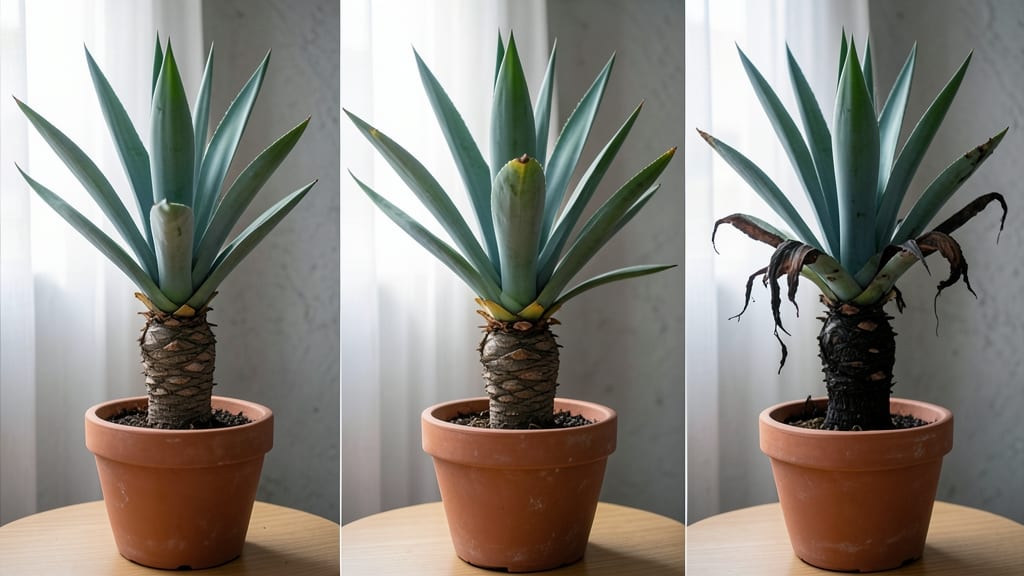
Your yucca plant might be dying—but there’s still hope. 🌱 The most common culprit is root rot from overwatering, but brown leaves, mushy stems, or a foul smell mean it’s time to act fast. I’ve saved multiple yuccas from the brink with these three simple steps, and you can too.
First, check the roots: healthy ones are firm and white, while rotten roots are brown, slimy, and crumble easily. If you see root rot, trim the bad parts with clean scissors and repot in fresh, well-draining cactus mix—yuccas hate soggy soil.
Let the soil dry completely between waterings, even in summer.
After repotting, place your yucca in bright, indirect light and avoid watering for at least a week to let any remaining rot heal. Within a few weeks, you’ll see new growth pushing through, and those sad brown leaves will start falling off naturally—this is normal as the plant recovers.
Prevent future issues by watering only when the top 2 inches of soil are bone-dry, and never let your yucca sit in saucers of water. With these adjustments, your plant will bounce back stronger than ever—no green thumb required.
Root Causes Of Yucca Decline
Yucca plants are hardy, drought-tolerant survivors—but even they can’t outlast persistent stress. When your yucca starts looking sad (think droopy leaves, mushy stems, or brown patches), the problem usually boils down to water, soil, or environmental mismatches.
Let’s break down the science behind why your plant might be struggling and what’s really killing it.
Yuccas store water in their thick, fleshy roots and stems, making them extremely sensitive to soggy soil. When roots sit in waterlogged conditions for too long, they suffocate—literally. Here’s the science:
- Anaerobic conditions: Without oxygen, beneficial soil microbes die, and harmful bacteria (like Pythium or Phytophthora) thrive. These pathogens feast on root tissue, causing root rot—a silent killer that turns roots black, mushy, and foul-smelling. - Nutrient starvation: Overwatered plants can’t absorb nutrients efficiently.
The roots’ cell walls break down, leading to wilting even when soil is wet (a classic sign of rot). - Fungal infections: Fungi like Fusarium exploit waterlogged soil, clogging root vascular systems and blocking water/nutrient flow.
Actionable fix: Let the top 4–6 inches of soil dry out completely between waterings. Yuccas in pots need drainage holes—no exceptions. If your plant is already rotting, trim affected roots (sterilize your shears!) and repot in cactus/succulent mix with perlite or pumice.
Yuccas hate "heavy" soil—think clay or garden soil packed with organic matter. Here’s why bad drainage is a death sentence:
- Water pooling: Compacted or non-porous soil traps moisture, creating the same anaerobic conditions as overwatering.
Roots drown in place, even if you’re not adding extra water. - Salt buildup: Over time, minerals in "rich" soil (like compost) concentrate in the root zone, burning roots and disrupting osmosis (the plant’s ability to absorb water). - Limited oxygen: Roots need 20–25% air space in soil to breathe.
Dense soil suffocates them, leading to stunted growth or sudden collapse.
Actionable fix:
- Amend soil with gritty materials: Mix in coarse sand, perlite, or pumice (50/50 with existing soil).
- Raise pots: Use elevated trays or feet to prevent water from pooling at the bottom.
- Test your soil: If it’s clay-heavy, plant in raised beds with a sandy subsoil layer.
Yuccas are sun worshippers, but extremes in light or temperature can shock them into decline.
| Stress Type | Symptoms | Why It Happens |
|---|---|---|
| Underwatering | Crispy, papery leaves (edges first) | Soil dries out too fast; roots can’t keep up with transpiration demands. |
| Overwatering | Yellowing, mushy leaves (base first) | Roots rot from excess moisture; leaves can’t photosynthesize efficiently. |
| Heat Stress | Bleached, sun-scorched leaves | Direct midday sun (especially in hot climates) cooks leaf cells, causing necrosis. |
| Cold Shock | Blackened leaf tips or wilting | Yuccas won’t tolerate temps below 20°F (-6°C). Cell membranes rupture in frost. |
Actionable fix:
- Gradual acclimation: Move indoor yuccas outside slowly (1–2 hours/day) to avoid sunburn.
- Mulch wisely: Use gravel or rocks (not organic mulch) to reflect sunlight and regulate soil temp.
- Winter protection: In cold zones, cover with burlap or move pots to a sheltered spot before temps drop.
Even healthy yuccas can fall prey to sap-sucking pests or soil-borne diseases that weaken them over time.
- Scale insects & mealybugs: These tiny pests pierce leaves/stems, injecting toxins and sucking sap.
Infested plants wilt, drop leaves, or develop sticky honeydew (a sign of secondary mold growth). - Yucca moths (sometimes helpful!): While adult moths pollinate, larvae burrow into flower stalks, weakening the plant.
Severe infestations can cause stunted growth. - Bacterial soft rot: Caused by Erwinia bacteria, this turns stems mushy and foul-smelling. Often spreads from contaminated tools or overwatering.
Actionable fix:
- Inspect regularly: Check undersides of leaves and stem crevices for pests. Wipe off bugs with rubbing alcohol-soaked cotton swabs.
- Neem oil spray: Apply weekly to disrupt pest life cycles (mix 1 tbsp neem oil + 1 tsp mild soap in 1 quart water).
- Remove infected parts: Snip off rotting stems or heavily infested leaves with sterilized pruners.
Yuccas are low-maintenance, but they do need balance. Too much (or too little) of certain nutrients can cripple them.
| Deficiency/Toxicity | Symptoms | Cause |
|---|---|---|
| Nitrogen (N) deficiency | Pale, yellow leaves (chlorosis) | Poor soil or overwatering leaches N out. |
| Potassium (K) deficiency | Weak stems, brown leaf edges | Common in sandy soils; K helps regulate water uptake. |
| Magnesium (Mg) deficiency | Interveinal yellowing (like chlorosis between veins) | Often from over-fertilizing or acidic soil. |
| Salt burn | Crispy leaf tips, stunted growth | Fertilizer buildup or tap water minerals (use rainwater or distilled if needed). |
Actionable fix:
- Fertilize lightly: Use a balanced, diluted fertilizer (5-10-5) once in spring. Yuccas hate rich soil—less is more!
- Flush soil: Every 3–4 months, leach excess salts by watering until it runs out the drainage holes.
- Soil test: If leaves show yellowing between veins, amend with dolomitic lime (for Mg) or Epsom salt (1 tsp per gallon of water, monthly).
Revive Your Yucca Plant Fast
Don’t panic—your yucca plant can bounce back with the right care! Below, we break down practical fixes for common issues, from overwatering to pests, plus prevention tips to keep it thriving. Follow these steps to nurse your plant back to health.
If your yucca’s leaves are yellowing, mushy, or wilting despite damp soil, root rot is likely the culprit. Yuccas hate soggy roots—here’s how to fix it:
1️⃣ Stop Watering Immediately
🔥 Halt all watering until the soil dries out completely. Yuccas are drought-tolerant and prefer dry conditions.
2️⃣ Check for Root Rot
👨🍳 Gently remove the plant from its pot and inspect the roots. Healthy roots are firm and white; rotten roots are brown, mushy, and smell foul.
3️⃣ Trim the Rotten Roots
🔪 Use sterilized scissors to cut away any black or soft roots. Keep only the firm, white roots intact.
4️⃣ Repot in Fresh, Dry Soil
⏰ Choose a pot with drainage holes and fill it with cactus or succulent mix (or regular potting soil mixed with perlite/sand for drainage). Let the soil dry out between waterings.
5️⃣ Adjust Your Watering Habits
💡 Pro Tip: Water only when the top 2–3 inches of soil are bone-dry. Stick your finger in the soil—if it’s damp, wait longer!
If your yucca’s leaves are brown, crispy, or bleached, it’s getting too much direct sun—especially if it’s new to bright conditions.
1️⃣ Move It to Indirect Light
🌿 Gradually acclimate your yucca to sunlight by placing it near a bright, east-facing window or under 50% shade cloth for a week.
2️⃣ Protect from Midday Sun
🌡️ Avoid placing it in scorching afternoon sun (12 PM–4 PM). If outdoors, provide dappled shade or move it to a sheltered spot.
3️⃣ Monitor for Improvement
✨ Watch for new growth—healthy yuccas will develop fresh, green leaves within 2–4 weeks.
Yellowing leaves, sticky residue, or tiny bugs crawling on your yucca? Pests like mealybugs, scale, or spider mites are likely to blame.
1️⃣ Isolate the Plant
🛡️ Move it away from other plants to prevent spreading. Check nearby plants for signs of infestation.
2️⃣ Wipe Off Visible Bugs
🧼 Dip a cotton swab in rubbing alcohol (70% isopropyl) and gently dab mealybugs or scale insects. For spider mites, spray leaves with water to dislodge them.
3️⃣ Apply Neem Oil or Insecticidal Soap
💪 Mix 1 tsp neem oil + 1 tsp mild soap in 1 quart of water. Spray the top and bottom of leaves, repeating every 5–7 days until pests are gone.
4️⃣ Encourage Beneficial Insects
🐞 Release ladybugs or lacewings (available at garden centers) to naturally control pests.
Slow growth, weak stems, or pale leaves? Your yucca might be nutrient-deficient.
1️⃣ Use a Balanced Fertilizer
📊 In spring and summer, feed with a diluted (half-strength) balanced fertilizer (like 10-10-10) once a month. Avoid fertilizing in fall/winter.
2️⃣ Try a Slow-Release Granule
🥗 Sprinkle a handful of slow-release fertilizer (like Osmocote) into the soil at repotting time for steady nutrients.
3️⃣ Boost with Compost Tea
🍎 Brew compost tea (steep compost in water for 24 hours, strain, and use as a foliar spray) to enrich the soil naturally.
Once your yucca is back in shape, prevent future issues with these easy habits:
- 💧 Water wisely: Let soil dry completely between waterings.
- ☀️ Acclimate slowly: Introduce sunlight gradually over 2–3 weeks.
- 🌿 Choose the right pot: Always use terracotta or pots with drainage holes.
- 🐜 Inspect regularly: Check leaves weekly for pests or early signs of stress.
- 🌱 Repot every 2–3 years: Refresh soil to prevent nutrient depletion.
With these fixes, your yucca should perk up within weeks! Keep an eye on its progress and adjust care as needed. 🌱✨
Frequently asked questions
Why are my yucca leaves turning brown at the tips?
Brown tips usually mean underwatering or low humidity. Yuccas store water in their leaves, so crispy edges signal the plant is thirsty. Check if the top 2-3 inches of soil are completely dry—if so, water thoroughly. For indoor plants, place a tray of pebbles with water nearby to boost humidity.
How do I know if my yucca has root rot?
Gently remove your yucca from its pot and inspect the roots. Healthy roots are firm and white, while rotten ones are brown, mushy, and smell foul. If you see blackened, slimy roots, trim them with sterilized scissors and repot in fresh, well-draining cactus mix. Let the soil dry out completely before watering again.
Can I save a yucca with blackened stems?
Yes, but act fast! Cut off the blackened sections with clean pruners, leaving healthy green tissue. Apply cinnamon powder to the cuts to prevent infection, then repot in fresh soil. If the stem is mostly black, try propagating the healthy top in water or soil—yuccas often regrow from cuttings.
How often should I water my yucca plant?
Water your yucca only when the top 2 inches of soil are bone-dry. In spring/summer, this might be every 2-3 weeks, while winter watering can stretch to once a month. Always use pots with drainage holes to prevent soggy soil. Stick your finger in the soil—if it's damp, wait longer!
What's the best soil mix for a struggling yucca?
Use a 50/50 mix of cactus/succulent soil and perlite or coarse sand. This creates the gritty, fast-draining environment yuccas need. Avoid regular potting soil—it retains too much moisture. For repotting, choose a pot 1-2 inches larger than the current one to prevent overwatering.