
Planting
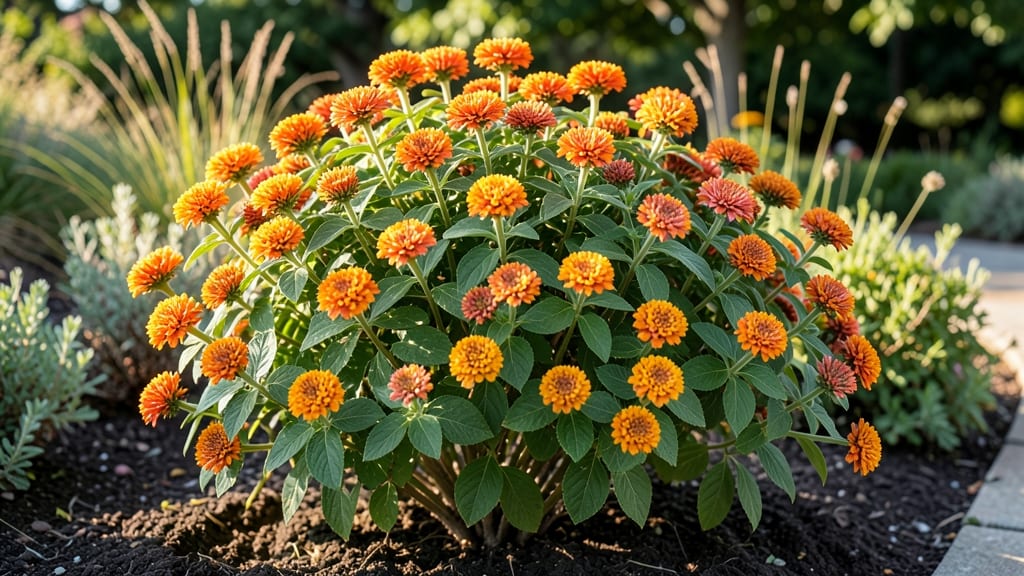
Lantana is not reliably perennial in Zone 6, as it typically dies back to the ground in winter temperatures below 20°F (-6°C), though some varieties may regrow from roots if protected or mulched heavily. Most gardeners treat it as an annual in colder climates.
Lantana's hardiness struggles in Zone 6 because its native tropical origins mean it can't handle prolonged freezing. 🌱 The key difference between Zone 6 and warmer zones is that temperatures consistently dip below 20°F (-6°C) for weeks, which kills the plant's top growth.
While some cold-tolerant varieties like Lantana camara 'Bandana Series' might survive with heavy mulching, they still face significant stress. I've seen gardeners successfully overwinter potted lantana indoors or use thick straw mulch to protect the roots, but even then, regrowth isn't guaranteed every year.
What's interesting is how lantana's survival strategy works - it focuses on protecting its root system rather than the above-ground foliage. This is why you'll often see bare stems in spring, as the plant relies on stored energy in the roots to produce new growth.
The challenge in Zone 6 becomes maintaining that root system through harsh winters while also dealing with potential frost heave from freeze-thaw cycles.
💡 In This Article
- Zone 6 Winter Survival Factors for Lantana Plants
- How to Extend Lantana’s Lifespan in Zone 6 Gardens
Zone 6 winter survival factors for lantana plants
Lantana's struggle in Zone 6 stems from its tropical nature, where it thrives in Zone 9-11 conditions with winter lows rarely below 25°F (-4°C).
The critical threshold for lantana is 20°F (-6°C)—when temperatures drop below this for more than a few hours, cellular damage occurs in the leaves and stems. This triggers a chain reaction where water in plant tissues freezes, forming ice crystals that rupture cell walls.
In Zone 6, winter temperatures often linger at 10-15°F (-12 to -9°C) for weeks, far exceeding this threshold.
The plant's survival strategy focuses on protecting its root system, which can tolerate 15-20°F (-9 to -6°C) if insulated properly.
However, the above-ground growth—where photosynthesis happens—is highly sensitive. 🌱 What's fascinating is how lantana's native habitat in South America and the Caribbean exposes it to brief cold snaps, but not prolonged freezing.
Zone 6's extended winter creates a mismatch where the roots might survive, but the plant lacks the energy reserves to regenerate quickly in spring.
Comparing lantana's hardiness to other perennials highlights the challenge. For example, salvia (Zone 5-8) and lavender (Zone 5-9) have evolved to handle Zone 6 winters by developing thick woody stems or deep root systems.
Lantana, however, relies on fast regrowth from roots—a strategy that works in warmer climates but becomes unreliable when roots are stressed by freeze-thaw cycles and poor soil drainage common in Zone 6 winters.
Another critical factor is lantana's growth habit. It produces new shoots from the base rather than from woody stems, meaning it needs warm soil temperatures (60°F/15°C) to break dormancy. In Zone 6, soil temperatures often stay below this until late spring, delaying regrowth even if roots survive.
This delayed start gives competing weeds a head start and reduces the plant's ability to establish before summer heat arrives.
The USDA hardiness zone map provides a useful baseline, but it doesn't account for microclimates. In Zone 6, lantana might survive in sheltered spots near south-facing walls where temperatures are 5-10°F (3-5°C) warmer than open areas.
However, these microclimates are inconsistent—one harsh winter can wipe out even the hardiest plants. This variability is why gardeners often treat lantana as an annual, replanting each spring rather than risking winter losses.
What most gardeners don't realize is how lantana's flower production affects its winter resilience. The energy-intensive process of blooming throughout summer depletes the plant's energy reserves, leaving less stored in the roots for winter survival.
Varieties with continuous blooming habits (like 'New Gold') are particularly vulnerable compared to those with seasonal flowering patterns.