
Planting
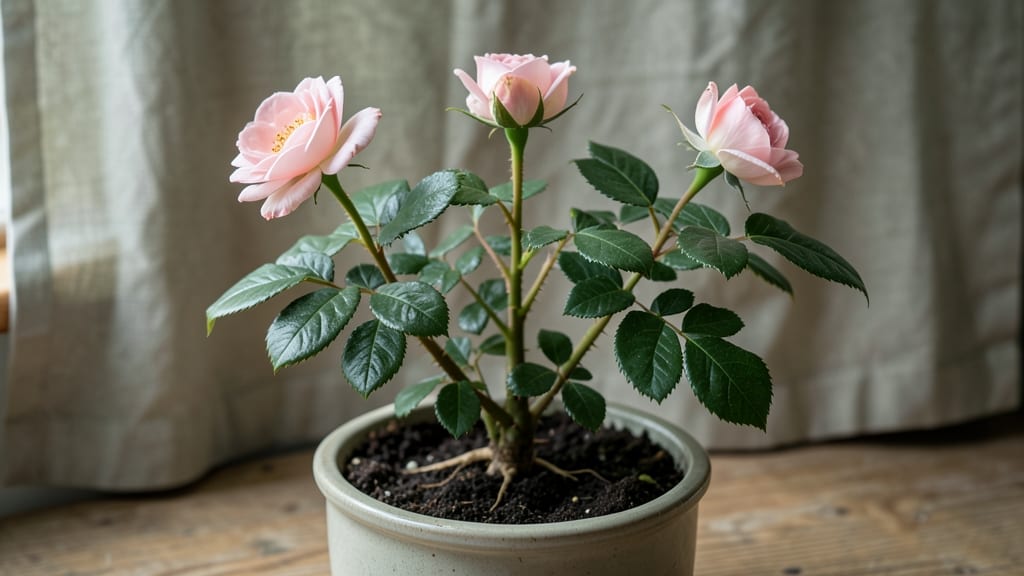
Growing an inside rose plant means year-round blooms without the fuss of outdoor seasons. 🌹 I've had roses thriving on my windowsill for years—no greenhouse needed. The key is picking the right variety and mimicking their natural habitat with light, air, and care.
You'll need a sunny spot (south-facing window or grow lights), well-draining soil, and a pot with drainage. Miniature roses like 'Fairy' or 'Bonica' do best indoors, staying compact and blooming reliably. Pruning is minimal—just deadheading spent blooms and trimming leggy growth in early spring.
By winter's end, you'll have lush foliage and fresh roses cutting through the gray days. The fragrance alone makes it worth the effort, and the plants reward patience with weeks of continuous blooms when happy. This works for apartments, offices, or even sunrooms.
Just avoid drafts and keep the soil evenly moist—not soggy. Let's get those petals growing indoors!
📚 In This Guide
- What you need
- Instructions
- Tips and common mistakes
- Wrapping up and next steps
What you need
- ● Rose plants: Choose disease-resistant varieties (e.g., Knock Out®, David Austin)—1-3 plants per 4 sq ft for optimal spacing.
- ● High-quality potting soil: 50 lbs (or enough to fill containers if growing in pots). Use a mix with 50% compost for nutrients.
- ● Organic fertilizer: 1 lb of balanced (10-10-10) or rose-specific fertilizer (e.g., Espoma Rose-Tone).
- ● Mulch: 2-3 inches of wood chips or straw to retain moisture and suppress weeds.
- ● Pruning shears: 1 pair (sterilized with rubbing alcohol to prevent disease).
- ● Gloves: 1 pair (gardening gloves to protect from thorns).
- ● Watering can or hose: With a gentle spray nozzle to avoid damaging blooms.
- ● Stakes or trellis: 2-4 per plant (for climbing roses or support).
- ○ pH testing kit: Optional but helpful to ensure soil pH is 6.0-6.5 (roses love slightly acidic soil!).
- ○ Slow-release granules: Optional (e.g., Osmocote) for season-long feeding.
Step-by-Step instructions for growing roses indoors year-round
Here’s how to coax vibrant blooms from a houseplant rose with just a few thoughtful adjustments.
🪴 Step 1: Select the Right Variety and Container
Not all roses thrive indoors—choose dwarf or miniature varieties like 'Fairy' or 'Jazzberry Jam,' bred for compact growth and smaller canes. These need less space and tolerate lower light better than their outdoor cousins. A 10-12 inch diameter pot with drainage holes is ideal; I use glazed ceramic to prevent root rot while keeping roots cool.
Fill the pot with a well-draining potting mix—I blend equal parts premium potting soil, perlite, and compost. This mimics the aerated, nutrient-rich conditions roses love. Avoid garden soil; it compacts and suffocates roots. The mix should feel like a damp sponge, holding moisture without clinging.
☀️ Step 2: Position for Maximum Light and Airflow
Roses need 6-8 hours of bright, indirect light daily—a south-facing window is best, but east or west works too. If natural light is weak, supplement with a full-spectrum LED grow light placed 12-18 inches above the plant. You’ll know the light is right when new leaves are deep green, not yellow or pale.
Place the rose near an open window or use a small fan on low to create gentle airflow. This prevents fungal diseases like black spot, which thrive in stagnant indoor air. Rotate the pot quarter-turn weekly so the plant grows evenly—you’ll spot leggy growth if it leans toward the light.
💧 Step 3: Water and Feed for Consistent Blooms
Water when the top 1-2 inches of soil feel dry—stick your finger in to check. Overwatering is the #1 killer of indoor roses; soggy roots invite rot. I water deeply until it drains from the bottom, then empty the saucer after 10 minutes to avoid soggy roots. In winter, when growth slows, let the soil dry slightly more between waterings.
Feed every 2-3 weeks with a balanced liquid fertilizer (10-10-10 or 20-20-20) diluted to half strength. Roses are heavy feeders, but too much fertilizer burns roots. I switch to a low-phosphorus formula (like 10-5-10) when buds form to encourage blooms over foliage. You’ll see new buds form within 2-3 weeks of consistent feeding.
✂️ Step 4: Prune for Shape and Encourage New Growth
Minimal pruning keeps roses compact and flowering. After the first flush of blooms, trim back one-third of the oldest canes to just above a 5-leaf node. This redirects energy to younger stems, which will produce more flowers. Always use clean, sharp pruners—dull blades crush stems, inviting disease.
Remove spent blooms by cutting just above a set of leaves (the "leaf collar") to prevent seed formation. This encourages the plant to focus on producing more buds. I also pinch off any leggy growth—stems longer than 12 inches without leaves are energy drains. You’ll notice new shoots emerging from the leaf axils within 3-5 days of pruning.
🌱 Step 5: Overwinter for Next Season’s Blooms
As daylight shortens in fall, reduce watering slightly and stop fertilizing by mid-October. Move the rose to a cooler spot (55-60°F) if your home gets too dry in winter. Grouping plants together raises humidity, which roses love. You’ll see growth slow, but don’t panic—this is normal dormancy.
In late winter, resume watering when the soil dries and move the rose back to its bright spot. Prune again in early March to remove any dead or weak stems, then resume fertilizing. With this routine, your rose will reward you with continuous blooms—even in winter—without the fuss of outdoor care.
Tips & tricks for growing thriving indoor roses
Here's what nobody tells you about keeping your indoor roses blooming beautifully all year.
Lighting Strategy: The 6-8 hours of bright, indirect light in Step 2 is non-negotiable for vibrant blooms. If your windowsill doesn't get enough sunlight, invest in a full-spectrum LED grow light—it's the only way to replicate natural light conditions indoors. I place mine 12-18 inches above the plant and run it for 12 hours daily during winter months when daylight is scarce. The key is consistency: roses won't tolerate sudden light changes, so keep the same spot year-round.
Pruning Precision: When you're trimming back one-third of the oldest canes in Step 4, focus on cutting just above a 5-leaf node—this is where new growth emerges most vigorously. I always make cuts at a 45-degree angle to increase surface area for water absorption. For leggy stems over 12 inches, don't hesitate to prune them completely; the plant will redirect energy to more productive growth. Remember, every cut you make should have a purpose—either shaping the plant or encouraging more blooms.
Soil Science: That well-draining potting mix in Step 1 isn't just about drainage—it's about aeration. I take it a step further by adding a handful of orchid bark to my mix, which improves airflow to the roots. The soil should always be moist but never soggy; think of it as holding water like a damp sponge. If you notice water pooling in the saucer after 10 minutes, your drainage isn't adequate—consider repotting with fresh mix and larger drainage holes.
Seasonal Transition: The shift from summer to winter care in Step 5 requires attention to detail. When you move your rose to that cooler 55-60°F spot, monitor it closely for the first week—some varieties are more sensitive to temperature changes than others. I've found that grouping plants together creates a microclimate with higher humidity, which roses love. This simple trick can make all the difference during the dry winter months when indoor air becomes parched.
Pro Tips for Inside Rose Plant
- Here's what nobody tells you about keeping your indoor roses blooming beautifully all year.
- Lighting Strategy: The 6-8 hours of bright, indirect light in Step 2 is non-negotiable for vibrant blooms.
- Pruning Precision: When you're trimming back one-third of the oldest canes in Step 4, focus on cutting just above a 5-leaf node—this is where new growth emerges most vigorously.
Frequently asked questions
Got questions about keeping your rose plant thriving with minimal pruning? Here are answers to the most common ones!
How often should I prune my rose plant for year-round blooms?
Prune your roses lightly every 6–8 weeks to encourage continuous blooming. Avoid heavy cuts—focus on removing dead or crossing branches. This keeps the plant energized without stressing it. Pro tip: Use sharp, sterilized shears to prevent disease!
Can I prune roses in winter for better spring growth?
Yes! Light winter pruning (after the first hard frost) removes damaged wood and shapes the plant. Avoid heavy cuts—wait until late winter (just before new growth starts) for major pruning. This prevents frost damage to fresh cuts.
What if my rose plant isn’t blooming after pruning?
Check for these issues:
- Sunlight: Roses need 6+ hours of direct sun daily.
- Water: Deep water 1–2 times weekly (drought stress stops blooms!).
- Fertilizer: Use a balanced rose food every 4–6 weeks.
- Deadheading: Remove spent blooms to redirect energy.
How do I prevent pests or diseases after pruning?
Sterilize tools with rubbing alcohol between cuts to avoid spreading pathogens. Remove fallen leaves/debris (hotspots for fungus!). Apply neem oil or insecticidal soap if you spot aphids or black spot. Prevention tip: Space plants for airflow—this reduces humidity-related issues!
Are there low-maintenance rose varieties for beginners?
Try these easy-care roses:
- Knock Out® Roses: Disease-resistant, bloom nonstop, minimal pruning.
- Floribunda Roses: Cluster blooms, tolerate poor soil better than hybrids.
- Climbing Roses: Fast-growing but need sturdy support (less frequent pruning).
Wrapping up and next steps
Cultivating a thriving rose plant with year-round blooms is simpler than you think—minimal pruning and a little care go a long way! 🌹 By understanding its growth habits, light needs, and seasonal adjustments, you’ve unlocked the secret to vibrant, healthy roses that keep gifting you beauty without the fuss.
Now that you’re armed with the know-how, roll up your sleeves and get growing! Start by giving your rose plant a gentle trim this season, and watch as it rewards you with lush, continuous blooms. Happy gardening—your roses are waiting for you! 🌱✨