
Planting
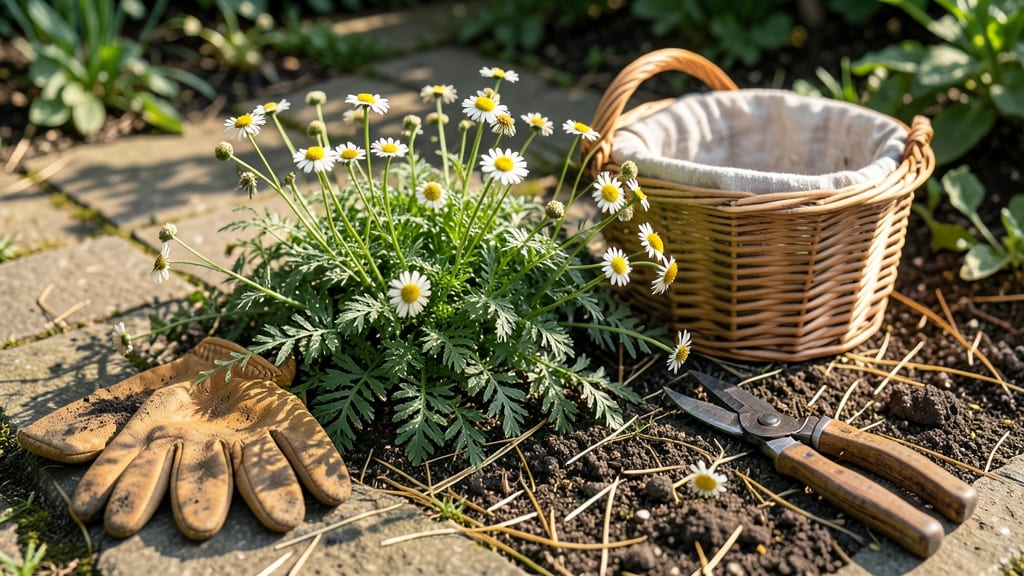
How to use this chamomile plant isn’t just for tea—it’s a multi-purpose garden superstar. 🌿 From soothing herbal blends to fragrant skincare and even pest-repelling companion plants, this delicate-looking perennial packs serious benefits. I’ve grown chamomile for years, and I’m sharing how to maximize its potential without the fuss of constant care.
The secret to happy chamomile lies in its simplicity: well-draining soil, full sun, and occasional deadheading to encourage more blooms. It thrives in USDA zones 3-9, making it versatile for most climates.
Once established, it spreads gently, creating a soft, golden ground cover that bees adore. Harvest the flowers in the morning after dew dries for the strongest flavor and medicinal properties.
You’ll end up with homemade chamomile tea that rivals store-bought, plus natural remedies for stress relief and gentle skin soothing. The flowers also double as a culinary seasoning—think chamomile-infused honey or baked goods with a floral twist. Even the leaves make a mild, caffeine-free herbal tea.
Perfect for small gardens, containers, or as a border plant, chamomile adds beauty and utility to any space. Whether you’re sipping tea, crafting skincare, or enhancing your garden’s ecosystem, this plant delivers. Let’s get growing!
📚 In This Guide
- What you need
- Instructions
- Tips and common mistakes
- Wrapping up and next steps
What you need
- ● Fresh or dried chamomile flowers – 1–2 tbsp (for tea), ¼ cup (for culinary uses), or ½ cup (for skincare infusions)
- ● Chamomile plants (if growing from seed) – 2–3 plants (for consistent harvest)
- ● Chamomile seeds – 1 packet (for planting)
- ● Potting soil – High-quality, well-draining mix (for planting)
- ● Containers or garden bed – 6–12-inch pots (for indoor growing) or sunny garden spot (for outdoor)
- ● Watering can or spray bottle – For gentle hydration (avoid soaking roots)
- ● Scissors or pruning shears – For harvesting flowers (sterilized with rubbing alcohol)
- ● Cheesecloth or fine mesh strainer – For straining tea or infusions
- ● Teapot or heat-safe mug – For steeping tea (glass or ceramic preferred)
- ● Boiling water – Fresh, filtered if possible
- ● Honey or lemon – To enhance tea flavor
- ● Drying rack or paper towels – For air-drying harvested flowers
- ● Food processor or mortar & pestle – For grinding dried flowers into powder (for skincare or baking)
- ● Carrier oil (like jojoba or almond) – For chamomile-infused oil (for skincare)
- ● Glass jars with lids – For storing dried flowers or homemade infusions
- ● Lavender or peppermint – For blending with chamomile in teas or remedies
Step-by-Step guide to harnessing chamomile’s versatile benefits
This gentle herb transforms from garden to remedy with just a few simple techniques.
🌿 Step 1: Harvest Flowers for Tea at Peak Freshness
Pick chamomile blossoms on a dry morning after the dew has evaporated. The flowers should feel plump and fully open—they’ll yield the most potent tea when harvested this way. Use clean, sharp scissors or your fingers to avoid damaging stems, and gather only the flower heads, leaving the leaves behind for culinary use.
Spread the harvested flowers on a clean, dry towel in a single layer, away from direct sunlight. This prevents mold while preserving their delicate aroma. Once completely dry (usually 2-3 days), store them in an airtight glass jar away from light. Properly dried flowers maintain their calming properties for up to 12 months—just be sure to crush them lightly before brewing for maximum flavor release.
☕ Step 2: Brew Chamomile Tea for Relaxation
For a traditional cup, steep 1 tablespoon of dried flowers in 1 cup of freshly boiled water for 5-7 minutes. Cover the cup while steeping to preserve the volatile oils that give chamomile its soothing effects. Strain through a fine-mesh sieve or cheesecloth, discarding the spent flowers.
For a stronger infusion, try a cold brew: combine 1/4 cup dried flowers with 2 cups cold water and let sit overnight in the refrigerator. This method extracts more of the herb’s gentle sedative compounds—perfect for evening sipping. I like to add a touch of honey to balance any bitterness, but the tea’s natural sweetness often shines on its own.
🧴 Step 3: Create a Simple Chamomile Skincare Infusion
Combine 1/2 cup dried chamomile flowers with 1 cup carrier oil (like jojoba or almond) in a clean glass jar. Place the jar in a double boiler or a pot of simmering water, ensuring the jar doesn’t touch the water. Heat gently for 1-2 hours, then strain through cheesecloth and store the golden liquid in a dark bottle. This infusion soothes irritated skin and reduces redness—ideal for post-sun or sensitive areas.
For a quick toner, steep 1/4 cup dried flowers in 1 cup boiling water for 10 minutes, then strain. Store in the fridge for up to 5 days. Use a cotton pad to apply to the face—it’s especially calming for eczema-prone skin or after shaving. The anti-inflammatory compounds work wonders when applied fresh.
🍽️ Step 4: Incorporate Chamomile into Culinary Dishes
Fresh chamomile leaves add a delicate apple-like flavor to salads, soups, and fish dishes. Finely chop 1-2 tablespoons of leaves and toss them into warm dishes just before serving—heat destroys their subtle sweetness. I often pair them with cucumber and dill for a refreshing summer salad that tastes like a spa day in a bowl.
For a unique twist, infuse chamomile into simple syrups by simmering 1/4 cup dried flowers with 1 cup water and 1/2 cup honey for 20 minutes. Strain and store in the fridge. Drizzle over pancakes, yogurt, or even cocktails for a floral, honeyed depth. The syrup keeps for 3 weeks, making it a versatile pantry staple.
✂️ Step 5: Maintain Your Chamomile Plant for Continuous Harvests
Pinch back flowering stems after harvest to encourage bushier growth. Chamomile thrives in full sun to partial shade and well-draining soil. Water deeply once a week, allowing the top 1-2 inches of soil to dry between waterings—overwatering causes the roots to rot. The plant’s daisy-like blooms will return throughout the growing season if you keep it trimmed.
Divide mature plants every 2-3 years to prevent overcrowding. Simply dig up the clump, separate the roots, and replant sections. This rejuvenates the plant and gives you fresh starts for new garden spots. With proper care, one chamomile plant can provide enough flowers for tea, skincare, and cooking for four people all season long.
Tips & tricks for perfect chamomile plant applications
These simple yet impactful techniques will help you maximize every aspect of your chamomile plant's potential.
Harvesting Precision: When harvesting in Step 1, focus on fully open blossoms with closed centers—they contain the highest concentration of beneficial compounds. I learned this the hard way after drying partially open flowers that yielded a much weaker tea. Also, avoid harvesting after rain, as moisture can lead to mold during drying. The 2-3 day drying time is crucial; any longer risks losing potency while any shorter leaves behind moisture that can spoil your harvest.
Brewing Technique: In Step 2, the 5-7 minute steeping range is perfect for balancing flavor and potency. If you prefer a milder cup, steep for exactly 5 minutes; for stronger effects, go to 7 minutes. For the cold brew method, use a glass jar with a tight lid to prevent oxidation. I've found that adding a pinch of salt to the cold water enhances the flavor profile while preserving the delicate floral notes. The overnight infusion extracts more of chamomile's calming compounds, but don't exceed 12 hours as it can turn bitter.
Skincare Infusion: For Step 3's oil infusion, maintain a gentle simmer rather than a full boil to preserve the chamomile's delicate properties. The 1-2 hour range allows for proper extraction without overheating the oil. I recommend using a dark glass jar for storage to protect the infusion from light degradation. For the toner, the 10-minute steeping time is ideal—any longer can make the toner too strong for sensitive skin. Always use sterilized cotton pads to prevent bacterial contamination when applying.
Culinary Timing: In Step 4, when making the chamomile syrup, maintain a gentle simmer for the full 20 minutes. This ensures proper infusion without burning the honey. I've found that using a candy thermometer helps maintain the ideal temperature. For culinary uses with fresh leaves, add them to dishes just before serving to preserve their delicate apple-like flavor—heat destroys their subtle sweetness almost immediately.
Pro Tips for Use Chamomile Plant
- These simple yet impactful techniques will help you maximize every aspect of your chamomile plant's potential.
- Harvesting Precision: When harvesting in Step 1, focus on fully open blossoms with closed centers—they contain the highest concentration of beneficial compounds.
- Brewing Technique: In Step 2, the 5-7 minute steeping range is perfect for balancing flavor and potency.
Frequently asked questions
Got questions about growing and using chamomile? Here are some of the most common ones—and their answers!
Can I grow chamomile indoors?
Yes! Chamomile thrives in pots with 6+ hours of sunlight daily. Use well-draining soil and a container with drainage holes. Just avoid overwatering—let the top inch dry between waterings. A sunny windowsill or under grow lights works great!
How long does it take for chamomile to flower?
Most varieties bloom in 6–8 weeks from seed, but some may take up to 10 weeks depending on light and temperature. German chamomile (the most common) is faster than Roman chamomile. Patience pays off—fresh flowers make the best tea!
Why isn’t my chamomile blooming?
Lack of sunlight or overwatering are the top culprits. Chamomile needs full sun (6+ hours) and soil that’s lightly moist but not soggy. If it’s leggy or sparse, trim back and move it to a sunnier spot. Deadheading spent blooms encourages more flowers!
Can I substitute chamomile for other herbs in recipes?
Chamomile’s mild, floral taste works well in chicken broth, soups, or baked goods (like muffins or bread). For a stronger flavor, use 1–2 teaspoons of dried flowers per cup of liquid. Just note: it’s milder than herbs like thyme or oregano, so adjust to taste.
How do I make chamomile-infused oil for skincare?
Steep ½ cup dried chamomile flowers in 1 cup carrier oil (like jojoba or olive oil) for 2–4 weeks in a cool, dark place. Strain and store in a glass bottle. Use 1–2 drops in homemade lotions or as a soothing facial oil. Always do a patch test first!
Wrapping up and next steps
From soothing tea to skincare remedies and even culinary delights, the chamomile plant is a versatile powerhouse with endless benefits! Whether you’re growing it for relaxation, beauty, or flavor, you now have the tools to harness its full potential. 🌿✨
Ready to dive deeper? Start by experimenting with a small batch of chamomile tea or try infusing it into your favorite recipes. Your journey with this gentle yet mighty plant has just begun—enjoy the calm and creativity it brings!