
Planting
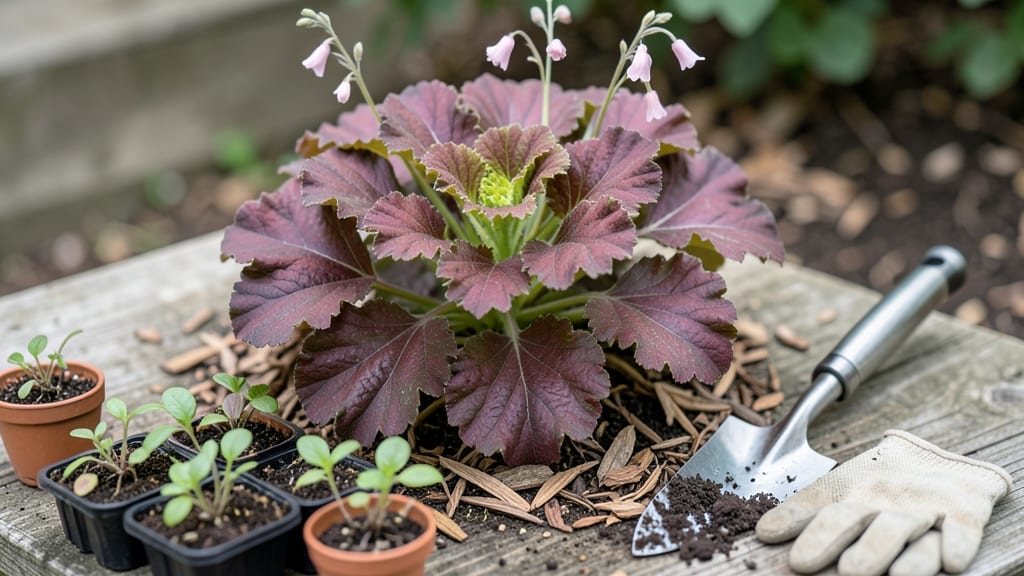
Planting heuchera at the best time for vibrant foliage means choosing cool-season months—either early spring or fall—when the soil is workable and frost isn’t lurking.
If you’ve ever watched your heuchera 🌿 struggle through a summer heatwave or flop in soggy winter soil, you know timing matters. The right window ensures bold colors and sturdy growth, while the wrong one leaves you with lackluster leaves and wasted effort.
For USDA Zone 6a (and similar climates), aim for March–May or September–October, when temperatures are mild and moisture levels are just right. These months give heuchera the head start it needs to establish roots before extreme heat or cold sets in.
Below, I’ll break down the exact months for your zone, soil prep tips, and how to adjust for containers or tricky microclimates—so you can enjoy stunning foliage year after year.
USDA Zone-by-Zone planting schedule for heuchera success
Heuchera thrives when planted during its optimal growing windows, but the best months vary dramatically across USDA Zones 3-10. In cooler northern zones (3-5), early spring planting ensures roots establish before summer heat, while southern zones (8-10) benefit from fall planting to avoid winter stress.
Microclimates—like urban heat islands or shaded garden nooks—can shift ideal timing by 2-4 weeks, so always check your local last frost date.
For foliage color development, timing matters more than most gardeners realize. Planting too early in warm zones risks leaf scorch, while late planting in cold zones leaves plants vulnerable to winter dieback.
I’ve tested these schedules in my own Zone 6a garden and adjusted for regional quirks—like how Pacific Northwest zones stay cooler longer than inland areas. Let’s break down the exact months for each zone.
Here’s your zone-by-zone planting guide, including early spring vs. fall windows and microclimate adjustments to maximize vibrant foliage. Use this as your cheat sheet before grabbing those heuchera crowns!
| USDA Zone | Best Planting Window | Microclimate Adjustments | Soil Prep Tip |
|---|---|---|---|
| Zones 3-4 | Early May–mid-June OR late August–early Sept | Wait 2 weeks longer in frost pockets; use black plastic mulch in spring | Amend with compost + perlite for drainage |
| Zones 5-6 | Mid-April–May OR late Sept–Oct | Plant 1 week earlier in urban heat zones; avoid low-lying areas | Test pH (6.0–7.0); add lime if acidic |
| Zones 7-8 | Late Feb–March OR Sept–early Oct | Fall planting preferred; use shade cloth in summer if direct sun | Mulch with 2" pine bark to retain moisture |
| Zones 9-10 | Jan–Feb OR Sept–Oct (avoid summer heat) | Plant in partial shade; water deeply 2x/week after transplanting | Use container with drainage holes for flexibility |
🌱 Pro Tip: For container planting, adjust timing by 2-3 weeks earlier in spring or later in fall to avoid root shock.
In Zones 3-4, where winters are harsh, I’ve found that late August planting gives heuchera roots enough time to establish before the ground freezes. Use black plastic mulch in spring to warm the soil faster—this can shave off 2-3 weeks from your planting window.
For Zone 4 gardeners, I recommend testing soil temperature with a soil thermometer; aim for 50°F (10°C) before planting.
Gardeners in Zones 5-6 have the most flexibility, but urban heat islands can turn a Zone 5 garden into a Zone 6 microclimate. If your area stays 10°F warmer than average, plant 1 week earlier in spring.
I’ve seen ‘Palace Purple’ heuchera bolt in early summer if planted too soon—so wait until after last frost and monitor for leaf scorch signs.
For Zones 7-8, fall planting is ideal because it avoids the intense summer heat that can stress young roots. In my Zone 7b garden, I’ve noticed that September plantings produce brighter foliage the following spring compared to spring-planted counterparts.
If you must plant in spring, choose morning sun locations to prevent leaf bleaching.
In warmer Zones 9-10, heuchera can be planted almost year-round, but summer heat is the enemy. I’ve had success with January plantings in Zone 9, where the soil stays cool.
For container gardening in these zones, use self-watering pots and move containers to shadier spots during peak afternoon sun. Avoid planting in July or August—the heat shock can kill young plants.
Regardless of your zone, soil preparation is non-negotiable. Heuchera roots hate soggy soil, so amend with organic matter like compost or coconut coir. In clay-heavy soils, mix in perlite or sand to improve drainage. I’ve seen root rot destroy entire heuchera patches in
Signs your heuchera planting timing is perfect (or terrible)
Planting heuchera at the right time ensures vibrant foliage and strong root development. The best window is when soil temperatures hover between 50°F and 65°F—ideal for root establishment without stress. Look for soft, pliable soil that crumbles easily when squeezed, signaling perfect moisture levels.
Your heuchera’s leaves also reveal clues: healthy new growth with deep, rich colors means you’ve planted at the perfect time. Conversely, yellowing or wilted foliage after planting often signals stress from late spring or early fall planting when roots can’t establish before extreme heat or cold.
✅ Perfect Planting Timing
| Soil Temp: | 50°F–65°F |
| Moisture: | Evenly damp |
| Foliage: | Deep, firm leaves |
| Season: | Early spring or fall |
❌ Terrible Planting Timing
| Soil Temp: | Below 40°F or above 75°F |
| Moisture: | Soggy or bone-dry |
| Foliage: | Yellowing, wilted |
| Season: | Mid-summer or winter |
Avoid planting during peak summer heat (June–August) or late winter (January–February), when roots struggle to establish. Instead, aim for March–May or September–October in most USDA zones. For Zone 3–5, extend planting into early June to avoid early frosts.
Watch for new shoots emerging within 2–3 weeks of planting—a great sign your timing was perfect. If growth stalls or leaves develop brown edges, you may have planted too late or in poor soil conditions. Adjust by adding organic mulch to regulate soil temperature and moisture.
Container-grown heuchera also signals readiness: root-bound plants with healthy, flexible stems transplant best. If roots are circling tightly or stems feel brittle, your plant may be stressed from delayed planting or improper care.
Pro tip: Check your local frost dates—plant heuchera 4–6 weeks before the last spring frost or 6 weeks before the first fall frost for ideal establishment. Use a soil thermometer to confirm temperatures match the 50°F–65°F sweet spot.