
Planting
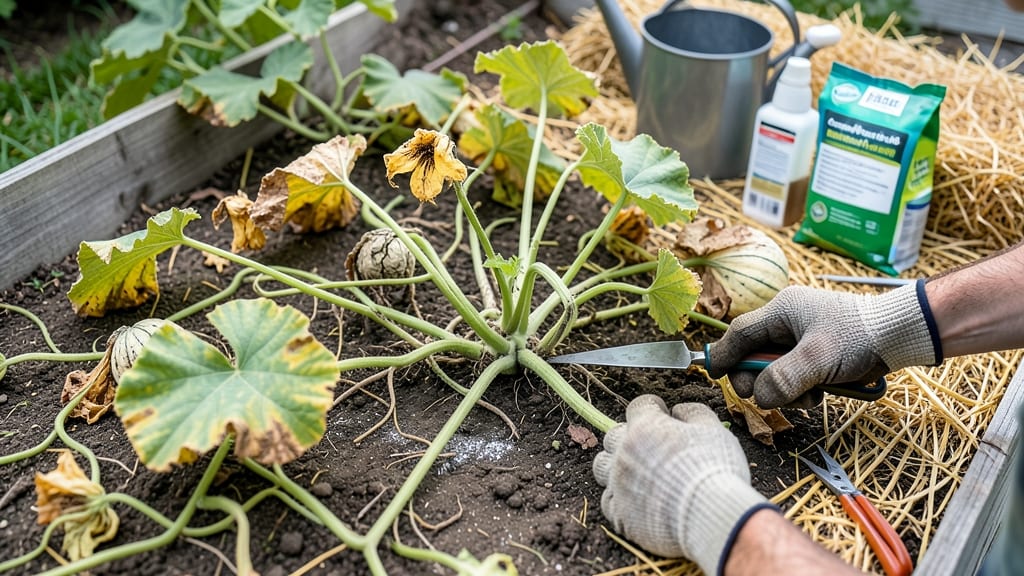
How to save a dying pumpkin plant—hydrogen peroxide can rescue rotting roots when nothing else works. 🌱 I’ve saved multiple plants this way after fungal infections or overwatering turned their roots to mush, and the results are nothing short of miraculous. The key is acting fast: within 24 hours of noticing wilting, yellowing leaves, or soft stems. You’ll need 3% hydrogen peroxide, a clean bucket, and a sharp knife to trim dead root zones. The solution kills pathogens without harming healthy tissue, giving your plant a second chance at strong new growth. By the end of 48 hours, you’ll see firmer stems and perky leaves as the roots rejuvenate. The pumpkin’s vines will thicken, and within weeks, you’ll have a plant that looks like it’s ready for a fall harvest—just like it never struggled at all. This method works for squash, cucumbers, and melons too. The secret? Timing and a steady hand. Let’s get those roots healthy again.
Root Causes Of Plant Decline
Pumpkins are hearty, resilient plants—but even they can spiral into decline when their roots struggle. Understanding the why behind a dying pumpkin plant is the first step to revival. Below, we break down the most common culprits, backed by science, so you can pinpoint the issue and take action.
Pumpkin roots are prime targets for pathogenic microbes, especially in warm, damp conditions. Here’s how they strike:
- Root Rot (Phytophthora, Pythium, Fusarium)
- These water-loving fungi thrive in soggy soil, blocking nutrient uptake and suffocating roots.
- Signs: Black, mushy roots; wilting despite moist soil; yellowing leaves.
- Why it happens: Overwatering, poor drainage, or compacted soil creates the perfect breeding ground.
- Bacterial Soft Rot (Erwinia, Pseudomonas)
- Bacteria enter through wounds (like pruning cuts) or contaminated water, causing root tissue to collapse.
- Signs: Foul-smelling, slimy roots; sudden collapse of vines.
- Why it happens: Excess moisture + cuts or stress = bacterial highway.
💡 Pro Tip: If you suspect rot, do not water the base—fungi and bacteria feast on moisture. Instead, focus on hydrogen peroxide root soaks (3% solution, 1:10 ratio) to disinfect without drowning roots.
Pumpkins are heavy feeders, and when soil lacks key nutrients, roots weaken first. Here’s what starves them:
| Deficiency | Symptoms | Root Impact | Common Causes |
|---|---|---|---|
| Nitrogen (N) | Pale yellow leaves, stunted growth | Reduced root hair development | Poor soil, overwatering (leaches N) |
| Phosphorus (P) | Purple stems, slow root growth | Weak root structure, poor energy storage | Cold soil, high pH (locks out P) |
| Potassium (K) | Brown leaf edges, weak stems | Increased susceptibility to disease | Sandy soil, excessive rain |
| Magnesium (Mg) | Yellow between leaf veins | Chlorosis spreads to roots | Over-fertilized with synthetic N |
Why it happens: Most garden soils are depleted after repeated planting. Pumpkins also compete aggressively with weeds for nutrients.
💡 Pro Tip: A balanced fertilizer (10-10-10) or compost tea can revive roots, but hydrogen peroxide (1 tsp/gallon) also boosts oxygen uptake, helping roots "breathe" again.
Pumpkin roots need oxygen—if soil is too dense or waterlogged, they suffocate. Here’s the breakdown:
- Waterlogged Soil
- Roots drown when oxygen is displaced by water, leading to anaerobic conditions (bad for microbes and roots).
- Signs: Grayish roots, foul odor, wilting even when soil is wet.
- Why it happens: Heavy clay soil, poor mulching, or overzealous watering.
- Compacted Soil
- Foot traffic, machinery, or clay can crush root zones, restricting growth.
- Signs: Roots grow in a shallow, circular pattern; poor vine expansion.
- Why it happens: Lack of organic matter (like compost) or tilling too deep.
💡 Pro Tip: Aerate soil with a fork or add perlite/vermiculite to improve drainage. For waterlogged spots, raise beds or plant on mounds.
Underground pests munch on roots before you even notice. The most destructive culprits:
- Grubs (Japanese Beetle, June Bug Larvae)
- Chew through roots, causing sudden wilting even in healthy-looking plants.
- Why it happens: Grubs thrive in rich, moist soil—perfect for pumpkin patches.
- Root-Knot Nematodes
- Microscopic worms inject bacteria into roots, forming galls (lumpy growths) that strangle nutrient flow.
- Why it happens: Warm, sandy soils + previous infested crops (like tomatoes).
- Cutworms
- Young plants get severed at the base by these nocturnal bandits.
- Why it happens: Mulch piles or dense plantings provide hiding spots.
💡 Pro Tip: Neem oil (for grubs) or hydrogen peroxide spray (1 tbsp/gallon) can deter pests. For nematodes, marigolds (interplanted) act as a natural repellent.
Pumpkins are sensitive to extremes, and sudden shifts can shock roots:
- Temperature Fluctuations
- Roots stop growing below 50°F (10°C) and suffocate above 95°F (35°C).
- Why it happens: Late frosts, heatwaves, or planting too early/late.
- Salt Buildup (From Fertilizer or Irrigation)
- Excess salts disrupt osmosis, making roots unable to absorb water.
- Signs: Crusty soil surface, leaf burn, stunted growth.
- Why it happens: Over-fertilizing with synthetic salts or poor-quality water.
💡 Pro Tip: Mulch with straw to regulate soil temp. For salt issues, flush soil with rainwater or use hydrogen peroxide (1 tbsp/gallon) to break down salts.
Sometimes, the problem is human (or animal) error:
- Over-Pruning or Rough Handling
- Cutting roots too aggressively reduces water/nutrient uptake.
- Why it happens: Overzealous thinning or moving plants.
- Animal Burrowing
- Raccoons, gophers, or even dogs dig up roots for fun.
- Why it happens: Loose, easy-to-dig soil + pumpkin plants as snacks.
💡 Pro Tip: Cage young plants with wire mesh or use hydrogen peroxide (3% solution) to disinfect any damaged roots before replanting.
Quick Fixes for Struggling Pumpkin
When your pumpkin plant starts wilting, turning yellow, or dropping leaves, it’s often a cry for help—usually from overwatering, disease, pests, or nutrient stress. The good news? Most issues are reversible with the right steps.
Below, we’ve mapped out practical, step-by-step solutions for the most common causes, plus prevention tips to keep your pumpkins thriving. Let’s turn things around!
Signs: Yellowing leaves, mushy stems, foul-smelling soil, or roots that look rotten.
How to Fix It
- 🚰 Stop Watering Immediately
- Let the soil dry out completely for 24–48 hours before checking again. Pumpkins hate soggy roots!
- 🪴 Improve Drainage
- If your plant is in a container, drill drainage holes (if none exist) and repot it in a mix of 50% potting soil + 50% perlite or coconut coir.
- For in-ground plants, amend the soil with compost or sand to loosen it up.
- 🧼 Treat Root Rot (If Severe) - Gently remove the plant from the pot or soil and trim away any black, mushy roots with sterilized scissors. - Soak the roots in a 1:10 hydrogen peroxide solution (3% peroxide) for 10 minutes to kill fungus.
Rinse and replant in fresh, dry soil.
- 🌱 Adjust Your Watering Habits
- Water deeply but infrequently—only when the top 2 inches of soil are dry.
- Morning watering is best to prevent fungal diseases from overnight moisture.
💡 Prevention Tip:
- Use raised beds or containers if your garden soil drains poorly.
- Mulch around the base (but not touching the stem) to retain moisture without suffocating roots.
Signs: White, powdery spots on leaves, yellowing, or stunted growth.
How to Fix It
- 🌿 Prune Infected Areas
- Remove and destroy (do not compost) any leaves with powdery mildew to stop the spread.
- 🧴 Apply Fungicide
- Hydrogen peroxide spray (1 tbsp peroxide per 1 quart water) – spray early in the morning on both sides of leaves.
- Neem oil solution (1 tbsp neem oil + 1 tsp mild soap per gallon of water) – spray weekly until the issue clears.
- 🌞 Boost Air Circulation
- Space plants 3–4 feet apart to improve airflow.
- Stake or trellis vines to keep them off the ground, reducing humidity around leaves.
- 🌱 Adjust Care
- Water at the base (avoid wetting leaves) and water early in the day so foliage dries quickly.
💡 Prevention Tip:
- Plant pumpkins in full sun (6+ hours daily) to reduce humidity buildup.
- Rotate crops—don’t plant pumpkins in the same spot year after year.
Signs: Chewed leaves, sticky residue (honeydew), or tiny bugs clustering on stems.
How to Fix It
- 🕵️♂️ Identify the Pest
- Aphids: Tiny green/black bugs on new growth.
- Squash bugs: Flat, brown, with a shield-like back.
- Cucumber beetles: Yellow with black stripes, love munching on leaves.
- 💦 Blast Them Off
- Spray with soapy water (1 tsp mild soap per quart of water) to dislodge pests.
- Handpick squash bugs (they hide under leaves) and drop them in soapy water.
- 🌿 Use Natural Repellents
- Crushed garlic or chili pepper spray (blend 2 cloves garlic + 1 tbsp cayenne + 1 quart water; strain and spray).
- Diatomaceous earth (food-grade only) – sprinkle lightly around the base (reapply after rain).
- 🛡️ Protect Young Plants
- Cover seedlings with row covers until they’re established (3+ weeks old).
💡 Prevention Tip:
- Interplant with pest-repelling herbs like basil, marigolds, or nasturtiums.
- Rotate planting locations to disrupt pest life cycles.
Signs:
- Yellow lower leaves (nitrogen deficiency).
- Brown leaf edges (potassium deficiency).
- Yellow veins with green spots (magnesium deficiency).
How to Fix It
- 📊 Test Your Soil
- Use a DIY soil test kit (available at garden centers) to identify deficiencies.
- 🌱 Feed Your Plant
- Nitrogen (yellow leaves): Side-dress with compost or blood meal (follow package instructions).
- Potassium (brown edges): Use a balanced fertilizer (10-10-10) or wood ash (sparingly).
- Magnesium (yellow veins): Sprinkle Epsom salt (1 tbsp per gallon of water) and water the soil.
- 💧 Flush the Soil
- If over-fertilized, leach excess salts by watering deeply for 10–15 minutes to prevent root burn.
💡 Prevention Tip:
- Mulch heavily (2–3 inches of straw or grass clippings) to retain nutrients.
- Avoid over-fertilizing—pumpkins need more phosphorus (P) than nitrogen (N) for fruit development.
Signs: Small, deformed pumpkins or flowers that don’t turn into fruit.
How to Fix It
- 🐝 Hand-Pollinate Flowers
- Use a small paintbrush to transfer pollen from male (long stems) to female (tiny pumpkin at the base) flowers.
- 🌅 Extend the Growing Season
- Cover young plants with row fabric in early spring to warm the soil.
- Choose early-maturing varieties (like ‘Jack Be Little’ or ‘Small Sugar’) if your season is short.
- 🌱 Thin Overcrowded Plants
- Pumpkins need space (100+ sq ft per plant)—thin seedlings to 2–3 strong plants per hill.
💡 Prevention Tip:
- Plant in warm soil (wait until night temps stay above 50°F/10°C).
- Avoid cold snaps—use black plastic mulch to keep roots warm.
Final Thought: Most dying pumpkin plants rebound quickly with the right care—just diagnose the issue, act fast, and adjust your routine. With a little TLC, your vines will be thriving in no time! 🎃💚
Frequently asked questions
How quickly can I expect to see improvement after treating my pumpkin plant?
With hydrogen peroxide root soaks or proper drainage fixes, you should notice firmer stems and perky leaves within 24-48 hours. For nutrient deficiencies, expect visible recovery in 5-7 days after applying amendments. Pests may take 1-2 weeks to fully clear, but consistent treatment works best.
Can I use hydrogen peroxide on pumpkin leaves as well as roots?
Yes! For leaf diseases like powdery mildew, mix 1 tablespoon of 3% hydrogen peroxide per quart of water and spray leaves early in the morning. The solution kills fungal spores without harming plants. Just avoid spraying when leaves are wet or in direct sunlight to prevent leaf burn.
What's the best way to tell if my pumpkin plant has root rot versus just being underwatered?
Check the roots: Root rot shows as black, mushy roots with a foul odor, while underwatered plants have dry, brown roots. Also, root-rot plants wilt even when soil is wet, while underwatered ones perk up after watering. The soil around rotten roots often smells sour or rotten.
Will saving my pumpkin plant affect fruit production?
Not necessarily! If you catch the problem early, your plant can still produce fruit. Focus on healthy roots first—once established, pumpkins are resilient. However, severe cases may reduce yield. Prioritize hydrogen peroxide treatments and proper drainage to maximize both plant health and harvest potential.
How often should I check my pumpkin plant's roots for problems?
Inspect roots every 7-10 days during the growing season, especially after heavy rain or watering. Young plants need more frequent checks (every 3-5 days) as their root systems establish. Look for discoloration, soft spots, or pest activity. Early detection is key to saving your plant!