
Planting
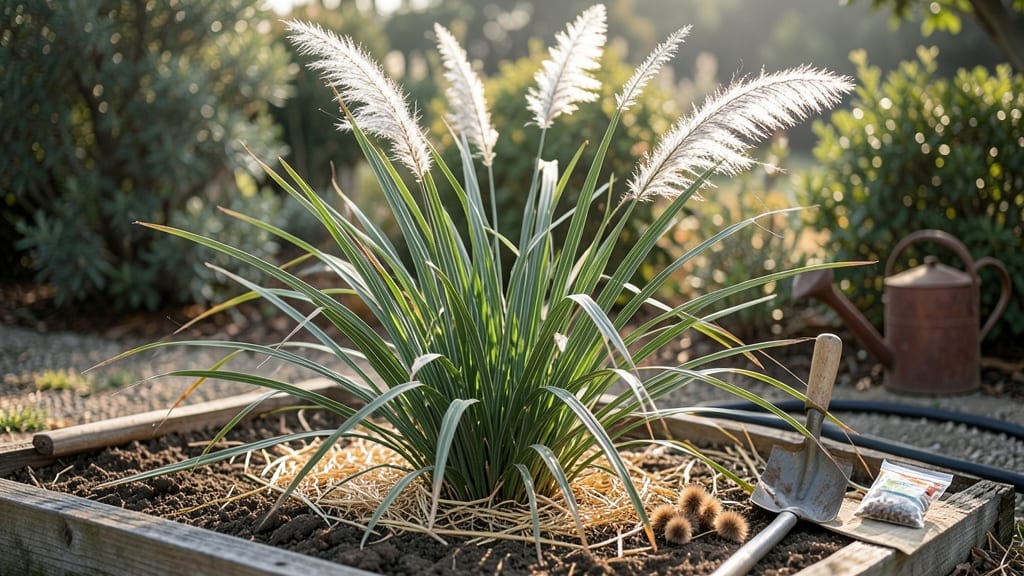
Planting pampas grass seeds outside delivers dramatic, airy plumes that transform any sun-drenched corner into a showstopper. 🌿 I’ve learned the hard way—these seeds need patience, but the payoff is worth it when those feathery tufts catch the breeze.
The key is timing, soil prep, and resisting the urge to fuss over them too much. Direct sowing in spring is simplest: scatter seeds on well-drained soil, barely covering them, and keep the area moist but not soggy.
Pampas grass thrives in full sun and hates soggy roots, so choose a spot with excellent drainage. If you’re in a cooler zone, start seeds indoors 8-10 weeks before the last frost for a head start.
Germination can take 2-4 weeks—sometimes longer—so don’t panic if nothing appears right away. Once seedlings emerge, thin them to 12-18 inches apart to give their roots room to spread. The real magic happens in their second or third year, when those signature plumes finally appear.
Avoid overwatering after germination, and watch for fungal issues if the soil stays too wet. With the right conditions, your pampas grass will reward you with years of low-maintenance drama—just don’t expect instant gratification. Patience is the secret ingredient.
📚 In This Guide
- What you need
- Instructions
- Tips and common mistakes
- Wrapping up and next steps
What you need
- ● Pampas grass seeds: 10–20 seeds (or more for dense planting; opt for fresh seeds for best germination).
- ● Well-draining soil mix: 50% native soil + 50% perlite/sand (or a commercial cactus/succulent mix).
- ○ Growing containers (optional for pre-sprouting): Seed trays or small pots (4–6 inches deep) with drainage holes.
- ● Peat pellets or coconut coir (for moisture retention).
- ● Outdoor planting site: Full sun location (6+ hours of direct sunlight daily).
- ● Well-draining soil (amend with compost if needed).
- ● Tools: Garden trowel or small hand shovel.
- ● Watering can with a fine rose (or spray bottle for seedlings).
- ○ Garden gloves (optional but recommended—pampas grass spines can be prickly!).
- ● Best planting time: Late spring or early summer (after the last frost, when soil temps are consistently above 60°F).
- ● Hardiness zone: USDA Zones 7–11 (pampas grass thrives in warm climates but may need winter protection in cooler zones).
- ● Patience: Germination can take 3–6 weeks—stay consistent with care!
- ● Slow-release fertilizer (balanced 10-10-10 or organic options like compost tea).
- ● Mulch (straw or shredded bark to retain moisture and suppress weeds).
- ● Plant markers (to track seedling progress).
- ● Pruning shears (for shaping mature plants later).
Step-by-step guide to planting pampas grass seeds in open ground
Here’s how to establish these striking ornamental grasses with minimal fuss—just follow these clear steps.
🌱 Step 1: Choose the Perfect Site and Prepare the Soil
Pampas grass thrives in full sun (at least 6-8 hours daily) and well-draining soil. Scout your yard for an open, sunny spot with good airflow—avoid low-lying areas where water pools. These grasses hate soggy roots, so if your soil drains poorly, amend it with 2-3 inches of coarse sand or perlite mixed into the top 12 inches of soil.
Loosen the soil to a depth of 6-8 inches with a garden fork or tiller. Break up any compacted layers so roots can penetrate easily. I like to work in a handful of compost here too—just enough to boost fertility without making the soil too rich, which can encourage leggy growth. Rake the area smooth afterward to create a level planting surface.
🌱 Step 2: Scatter Seeds and Lightly Cover
Pampas grass seeds are tiny and lightweight, so I scatter them by the handful rather than counting individually. For 4 plants, aim for about ¼ teaspoon of seeds spread evenly over the prepared area. Walk backward while scattering to avoid clustering seeds in one spot—this ensures even germination and prevents overcrowding later.
Cover the seeds with a thin layer of soil—no more than ¼ inch deep. Press gently with the back of a rake or your hand to ensure good seed-to-soil contact. Here’s the thing: these seeds need light to germinate, so don’t bury them too deeply. A light misting with water afterward helps settle the soil without disturbing the seeds.
💧 Step 3: Keep Soil Consistently Moist Until Germination
Water gently but thoroughly after planting, keeping the soil evenly moist (not soggy) until germination occurs. Aim for ½ inch of water per week, delivered either through rainfall or irrigation. I use a soaker hose set on low to avoid displacing seeds—watering from above can wash them away.
Germination can take 2-4 weeks, depending on soil warmth and moisture. You’ll know it’s happening when you see tiny, grass-like shoots pushing through the soil. Once they reach 2 inches tall, you can reduce watering slightly but keep the soil from drying out completely. This is the moment that matters: consistent moisture prevents seedling stress and encourages strong root development.
☀️ Step 4: Thin Seedlings for Spacious Growth
When seedlings are 4-6 inches tall, it’s time to thin them to give each plant 3-4 feet of space to mature. Use a small hand trowel or your fingers to carefully pull out weaker seedlings, leaving only the strongest 4 plants (or fewer, if you prefer larger clumps). Don’t yank—gently twist to avoid damaging nearby roots.
Real talk: thinning might feel cruel, but crowded pampas grass grows leggy and weak. After thinning, water deeply to help the remaining plants establish. Mulch around the base with 2 inches of straw or wood chips to retain moisture, suppress weeds, and protect young roots from temperature swings.
⏰ Step 5: Provide Long-Term Care for Mature Plants
Once established, pampas grass is drought-tolerant but still benefits from deep watering every 1-2 weeks during dry spells. These grasses grow 6-10 feet tall, so they need strong stems—avoid over-fertilizing, which can lead to weak, floppy growth. A light application of balanced fertilizer (10-10-10) in early spring is enough to support healthy foliage.
In late winter or early spring, cut back the previous year’s growth to the ground. This encourages fresh, vigorous growth and keeps the plant looking tidy. I like to do this before new shoots appear—you’ll see them emerging from the base within a few weeks. With proper care, your pampas grass will develop those signature feathery plumes by mid-summer, adding dramatic texture to your landscape.
Tips & tricks for planting pampas grass seeds successfully
A few key strategies will help you avoid common pitfalls and maximize your success with these dramatic ornamental grasses.
Site Selection is Everything: While the instructions highlight full sun, I can't stress enough how critical this is—pampas grass will struggle in anything less than 6 hours of direct sunlight daily. If your yard has partial shade, consider planting near a south-facing wall where it can catch reflected sunlight. Also, avoid areas with overhead tree branches that could block light or drop leaves that might smother seedlings. The right location makes all the difference between thriving plants and disappointing growth.
Soil Preparation Pro Tip: When amending your soil with 2-3 inches of coarse sand or perlite, don't just mix it in superficially. Use a garden fork to work it into the top 12 inches thoroughly—this creates proper drainage channels that prevent waterlogging. I've seen many gardeners skip this step, only to have their pampas grass develop root rot later. For clay-heavy soils, consider adding a bit of horticultural grit to improve aeration even further.
Seed Scattering Technique: The instructions mention scattering seeds by the handful, but here's what nobody tells you—use a pie tin or small metal tray to help distribute them evenly. Simply pour the seeds into the tray and shake them over the prepared area while walking backward. This creates a more uniform distribution than trying to scatter by hand. For larger planting areas, you can even use a seed spreader attachment on your lawn mower for even coverage.
Germination Monitoring: During the 2-4 week germination period, check your seeds daily in the morning. Look for tiny green shoots that might be just peeking through the soil. If you see condensation on the soil surface, that's a good sign—it means the moisture level is perfect. At the 2-inch tall stage, you'll notice the seedlings develop a more distinct grass-like appearance with visible veins. This is when you can start gradually reducing watering while maintaining consistent moisture.
Pro Tips for Plant Pampas Grass Seeds Outside
- A few key strategies will help you avoid common pitfalls and maximize your success with these dramatic ornamental grasses.
- Site Selection is Everything: While the instructions highlight full sun, I can't stress enough how critical this is—pampas grass will struggle in anything less than 6 hours of direct sunlight daily.
- Soil Preparation Pro Tip: When amending your soil with 2-3 inches of coarse sand or perlite, don't just mix it in superficially.
Frequently asked questions
Got questions about growing pampas grass from seeds? You’re not alone—this ornamental beauty has a few quirks! Below, we tackle the most common concerns to help you plant with confidence.
How long does it take for pampas grass seeds to germinate?
Patience is key! Pampas grass seeds can take 4–12 weeks to germinate, depending on soil warmth and moisture. Some may even sprout in spring after a cold winter. Keep soil consistently moist (but not soggy) and avoid disturbing the area until sprouts appear. Pro tip: A heat mat can speed up germination if your climate is cool.
Can I plant pampas grass seeds in fall or winter?
Yes, but with caution! Seeds sown in late fall or winter benefit from natural stratification (cold exposure), which can improve germination rates. However, avoid planting in freezing conditions—cover seeds lightly with mulch if frost is expected. Spring planting is ideal for most regions, but fall is a great option in mild climates (Zones 8–10).
Why aren’t my pampas grass seeds sprouting?
Several factors might be holding back growth:
- Cold soil: Seeds need warmth (60–70°F) to germinate. Wait until the soil is consistently above 50°F.
- Poor moisture: Keep soil evenly damp but not waterlogged. Drought stress can stall germination.
- Slow starters: Some seeds take months—don’t give up after 2 weeks!
- Pests/animals: Birds or rodents may snack on seeds. Use a light mesh cover if needed.
What’s the best alternative if my seeds won’t grow?
If germination fails or you’re eager for instant drama, consider these options:
- Buy young plants: Nurseries often sell 1–2 year-old pampas grass starts, which establish faster.
- Try cuttings: Propagate from mature plants by dividing roots in spring.
- Opt for similar grasses: Miscanthus or Stipa offer fast-growing, low-maintenance alternatives with feathery plumes.
How do I prevent pampas grass from spreading too aggressively?
While not invasive like bamboo, pampas grass can self-seed and spread via underground runners. To control it:
- Deadhead seed heads: Remove plumes before they release seeds to limit spread.
- Plant in containers: Grow in large pots if space is limited—just ensure drainage!
- Divide clumps: Dig up and relocate sections every 2–3 years to manage growth.
Wrapping up and next steps
Planting pampas grass seeds outside is a rewarding way to add dramatic flair to your garden—just remember patience and proper care are key! With the right soil, sunlight, and timing, these seeds will grow into stunning, low-maintenance plants that thrive in full sun.
Once your seedlings sprout and mature, watch your outdoor space transform into a showstopper!
Ready to take the next step? Monitor your seedlings closely and consider adding mulch to retain moisture. Before you know it, your garden will be buzzing with pampas grass drama—happy planting! 🌱✨