
Planting
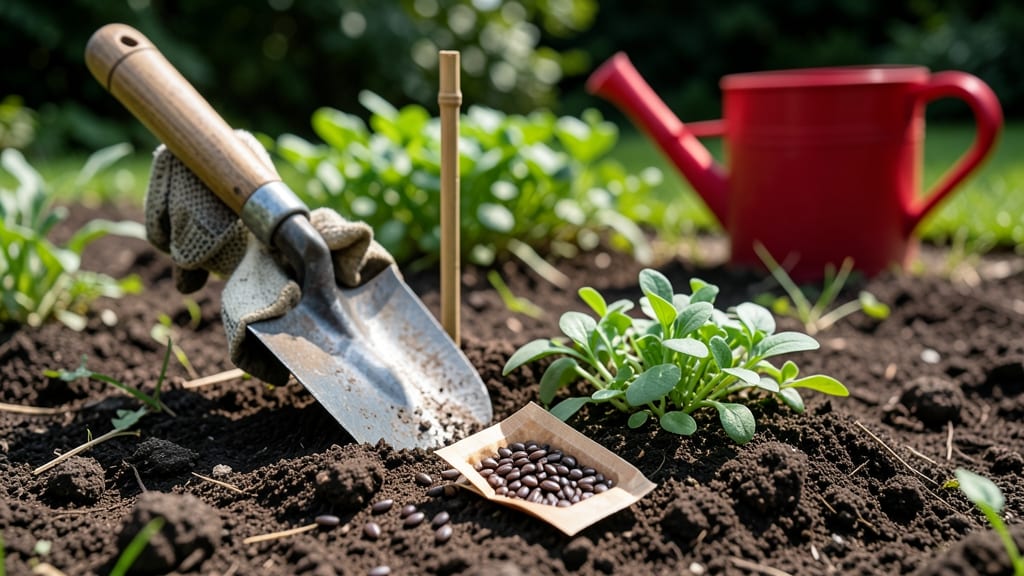
Planting mustard seeds in the ground gives you fast, peppery greens that outperform store-bought in flavor and nutrition. 🌱 I’ve grown mustard for years—it’s one of the easiest cool-season crops to direct-sow, and the harvest starts in just 3-4 weeks.
The key is timing, soil prep, and spacing, but once you get it right, you’ll never buy mustard greens again.
Mustard thrives in loose, well-draining soil with a pH between 6.0 and 7.0. Work in compost before planting to give roots room to spread, and choose a spot with at least 6 hours of sunlight daily.
Varieties like leaf mustard (for greens) and oriental mustard (for seeds) both do well in cool weather, but avoid planting in summer heat—it bolts fast.
Scatter seeds ¼ inch deep and 1 inch apart in rows spaced 12-18 inches apart. Lightly water the soil before planting, then keep it moist (not soggy) until germination, which happens in 5-10 days.
Once seedlings pop up, thin them to 4-6 inches apart for better airflow and fewer pests.
Harvest young leaves when plants are 4-6 inches tall for the mildest flavor, or let them grow taller for bold, peppery greens. Mustard grows quickly—expect 3-4 harvests before bolting.
The secret to success? Consistent moisture and quick harvesting. Try it this fall or early spring for the freshest, most flavorful greens you’ve ever grown.
📚 In This Guide
- What you need
- Instructions
- Tips and common mistakes
- Wrapping up and next steps
What you need
- ● Mustard seeds: Choose Brassica juncea (e.g., 'Southern Giant Curled,' 'Tendergreen,' or 'Red Giant')—about 1/4 to 1/2 pound per 100 sq ft (or ~1 tbsp per 10 linear feet for rows). Opt for organic, non-GMO seeds if possible!
- ● Garden soil: Well-draining, loamy soil with a pH of 6.0–7.5. Amend with compost (2–3 inches mixed into the top 6–12 inches) for fertility.
- ● Fertilizer: Balanced fertilizer (10-10-10 or 5-5-5): 1/2 cup per 10 sq ft mixed into the soil before planting.
- ● OR Slow-release organic fertilizer (e.g., fish emulsion or worm castings).
- ● Watering can or hose with a gentle nozzle: Mustard seeds need consistent moisture—aim for 1 inch of water per week (more during germination).
- ● Garden trowel or transplanting knife: For digging small furrows or holes (1/4 inch deep).
- ● Ruler or measuring tape: To space seeds 1–2 inches apart in rows 12–18 inches apart.
- ○ Row marker or sticks: To mark planting lines (optional but helpful for beginners!).
- ● Mulch (straw or shredded leaves): Spread 1–2 inches after germination to retain moisture and suppress weeds.
- ● Garden twine & stakes: For trellising if growing mustard greens with long stems (e.g., 'Red Giant').
- ● Plant labels: Mark varieties if growing multiple types.
- ● Seedling heat mat (for early spring): Speeds up germination in cool climates (70–80°F is ideal).
- ● Organic pest control: Neem oil or diatomaceous earth (prevents flea beetles or aphids).
Step-by-Step guide to planting mustard seeds directly in the garden
Mustard thrives when planted directly in cool soil—no fuss, no transplant shock.
🌱 Step 1: Prepare the Soil for Fast Germination
Mustard seeds need loose, well-draining soil to sprout quickly. Work the top 6 inches of soil with a garden fork or tiller, breaking up any compacted areas. Mustard tolerates poor soil but grows best in soil amended with 2-3 inches of compost or well-rotted manure. The ideal pH range is 6.0-7.5, but mustard adapts easily.
Rake the surface smooth and remove any rocks or debris. Lightly press down with your hands to create a firm seedbed—this prevents seeds from washing away during watering. The soil should feel crumbly when squeezed, like a damp sponge. If it clumps tightly, add more compost or sand to improve drainage.
🌱 Step 2: Sow Seeds at the Right Depth and Spacing
Mustard seeds are tiny, so precision matters. Scatter them ¼ inch deep—any deeper and they’ll struggle to emerge. I use my fingers to lightly press seeds into the soil, spacing them about ½ inch apart in rows 12-18 inches apart. For a dense harvest, you can sow more thickly and thin later, but give them space if you prefer larger leaves.
Don’t cover the seeds with more than a thin dusting of soil—mustard seeds need light to germinate. After sowing, gently rake the area again to ensure good soil-to-seed contact. This step is critical: if seeds sit too deep, they’ll rot before sprouting. Water lightly with a fine spray to settle the soil without disturbing the seeds.
💧 Step 3: Keep Soil Moist Until Germination
Mustard seeds germinate fastest in consistently moist soil, ideally within 5-10 days if temperatures stay between 50-75°F. Water gently every 1-2 days to keep the top inch of soil damp but not soggy. Overwatering can cause seeds to rot, while letting the soil dry out slows germination.
Use a misting can or soaker hose to avoid displacing seeds. Once seedlings appear, reduce watering slightly—mustard is drought-tolerant once established. You’ll know moisture is right when the soil surface looks slightly dark but not glistening. Avoid overhead watering after germination to prevent fungal diseases like damping-off.
☀️ Step 4: Thin Seedlings for Stronger Plants
When seedlings reach 2 inches tall (about 3-4 weeks after sowing), thin them to 3-4 inches apart to give roots room to grow. Use scissors to snip unwanted seedlings at soil level—this prevents disturbing the roots of remaining plants. Mustard grows quickly, so thinning early ensures larger, more flavorful leaves.
Real talk: thinning is the step most gardeners skip, but it’s worth the effort. Crowded mustard plants produce small, bitter leaves. After thinning, water deeply to help roots recover. If you’re growing mustard for microgreens, you can skip thinning entirely and harvest the whole patch in 2-3 weeks.
✂️ Step 5: Harvest at Peak Flavor and Manage Regrowth
Mustard leaves are most tender and flavorful when harvested young—cut outer leaves when they reach 4-6 inches tall, leaving the inner growth to continue. For a continuous harvest, cut leaves ½ inch above the soil line; new growth will sprout within 1-2 weeks. If you let plants bolt (flower), they’ll become bitter and woody.
Mustard self-seeds aggressively, so if you enjoy its bold flavor, you’ll likely find volunteers popping up next season. To control spread, pull up flowering plants before they drop seeds. With proper care, one planting can provide harvests for 6-8 weeks in cool weather.
Tips & tricks for perfect mustard seed planting
These garden-smart strategies will help you grow bold, peppery mustard greens with minimal effort.
Soil Prep Secret: In Step 1, don't overlook the compost layer—mustard thrives when soil temperatures stay between 50-75°F, and compost helps maintain that ideal range while improving drainage. I mix in an extra inch of compost if my garden soil feels particularly dense. This creates the perfect environment for those tiny seeds to sprout quickly and uniformly.
Precision Sowing: When planting in Step 2, use a small stick or your finger to create shallow furrows about ¼ inch deep—this prevents seeds from being buried too deeply. For a visual guide, imagine sprinkling seeds as thinly as you would salt on popcorn. The ½-inch spacing between seeds might seem generous, but it pays off with larger, more flavorful leaves later.
Germination Guard: During Step 3, cover your seedbed with a lightweight row cover or even an old sheet to protect seeds from drying winds while maintaining moisture. This is especially helpful in hotter climates where the 5-10 day germination window can shrink. Just remember to remove the cover once seedlings appear to prevent overheating.
Thinning Technique: In Step 4, I've found that using a pair of clean kitchen scissors works better than pulling seedlings by hand—it gives you more control and prevents disturbing the roots of your desired plants. The 3-4 inch spacing might seem wide, but it's worth it for those tender, full-sized leaves that develop when plants aren't competing for nutrients.
Pro Tips for Plant Mustard Seeds In The Ground
- These garden-smart strategies will help you grow bold, peppery mustard greens with minimal effort.
- Soil Prep Secret: In Step 1, don't overlook the compost layer—mustard thrives when soil temperatures stay between 50-75°F, and compost helps maintain that ideal range while improving drainage.
- Precision Sowing: When planting in Step 2, use a small stick or your finger to create shallow furrows about ¼ inch deep—this prevents seeds from being buried too deeply.
Frequently asked questions
Got questions about growing mustard greens? You’re not alone!
Here are answers to the most common queries—from timing to troubleshooting—to help you grow a thriving, peppery harvest with confidence.
When is the best time to plant mustard seeds?
Mustard greens are cool-weather crops, so plant them 4–6 weeks before the last frost in spring or 6–8 weeks before the first frost in fall. They tolerate light frosts (even down to 20°F!) but bolt (go to seed) in hot weather. For year-round greens in warm climates, grow them in shade or use heat-tolerant varieties like ‘Southern Giant Curled.’
How long does it take for mustard seeds to sprout and grow?
Mustard seeds typically sprout in 3–7 days after planting, depending on soil warmth and moisture. Baby leaves are ready to harvest in 3–4 weeks, while mature greens take 5–6 weeks. For continuous harvests, sow seeds every 2 weeks—this ensures a steady supply of fresh, peppery greens!
Can I plant mustard seeds too close together?
Yes! Mustard seeds are tiny and should be sown ½ inch deep and 1 inch apart in rows spaced 12–18 inches apart. Overcrowding leads to stunted growth, disease, and poor air circulation. Thin seedlings to 4–6 inches apart once they’re 2–3 inches tall, or harvest the thinnings for microgreens.
What pests or problems should I watch for when growing mustard greens?
Mustard greens are generally pest-resistant, but watch for aphids, flea beetles, and cabbage worms. Use row covers early on to deter pests, or spray with neem oil or insecticidal soap if needed. Bolting (premature flowering) is another issue—keep soil moist and avoid stress to delay it. If leaves turn yellow, check for clubroot disease (common in wet soils) and improve drainage.
Can I grow mustard greens in containers or small spaces?
Mustard greens thrive in containers at least 6–8 inches deep with good drainage. Use a 5-gallon pot or deeper for larger plants. Space seeds 1–2 inches apart and place pots in full sun to partial shade. For balconies or patios, try bush varieties like ‘Tendergreen’—they’re compact and perfect for small spaces!
Wrapping up and next steps
Planting mustard seeds is a rewarding journey that brings bold, peppery flavors straight to your plate!
By following these simple steps—choosing the right variety, preparing your soil, and nurturing your greens—you’ll enjoy a thriving harvest in no time. Now that you’re ready to sow, why not take the next step? Share your progress with fellow gardeners or explore advanced techniques like succession planting to keep your kitchen stocked year-round.
Happy gardening! 🌱✨