
Planting
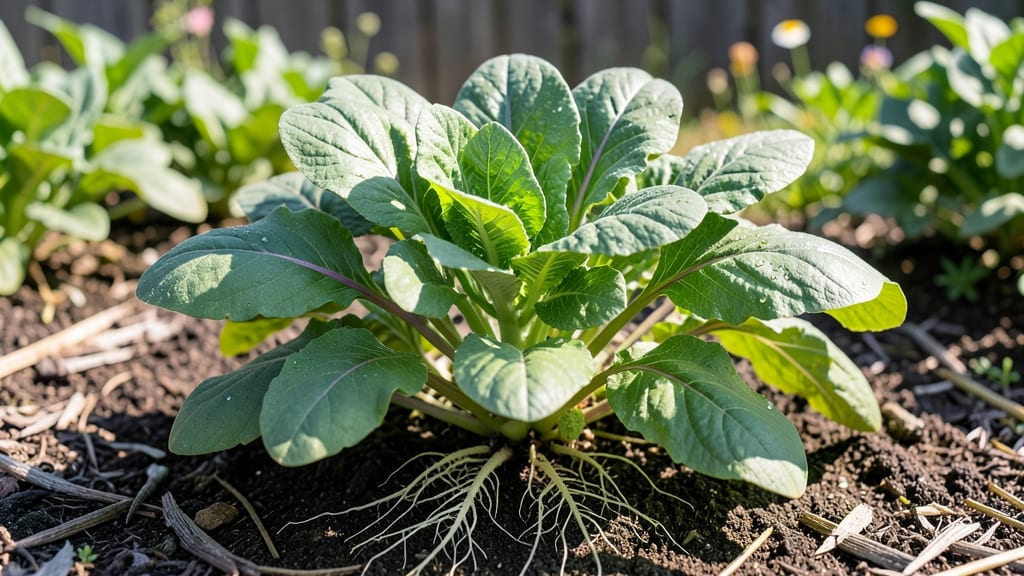
Mustard greens 🌱 grow with surprisingly shallow roots—typically just 6 to 12 inches deep—meaning their success depends more on soil surface conditions than deep soil layers.
If you’ve ever wondered why your mustard greens bolt too quickly or struggle to thrive in deep soil, the answer lies beneath the surface—literally. Their shallow root system means they’re sensitive to soil compaction, poor drainage, and uneven moisture, which is why light, loose soil is key.
This also explains why mustard greens do so well in containers or raised beds: their roots don’t need depth to spread. Instead, they thrive when the topsoil stays rich, moist, and well-aerated—making them one of the easiest greens to grow for beginners.
Below, I’ll break down how to prep soil, space plants, and water them to keep those roots happy and your harvests bountiful—no deep digging required.

Mustard greens root depth explained: shallow roots and their growing needs
Mustard greens develop a shallow but extensive root system that typically reaches 6 to 12 inches deep at maturity. Unlike deep-rooted vegetables like carrots, their roots spread horizontally more than vertically, creating a dense network just beneath the soil surface.
This shallow nature makes them highly sensitive to soil compaction and drainage issues, which directly impacts their growth and nutrient absorption.
The root system of mustard greens primarily consists of fibrous roots rather than a single taproot. This fibrous structure allows them to absorb water and nutrients efficiently from the topsoil layer.
Understanding this root behavior is crucial for optimizing soil preparation, spacing, and watering practices to prevent stress and encourage robust growth.
Here’s a quick breakdown of how their shallow roots influence key growing factors:
| Factor | Mustard Greens Specification | Growing Impact |
|---|---|---|
| Root Depth | 6–12 inches | Limited access to deep soil nutrients; relies on topsoil fertility |
| Root Spread | Wide and fibrous | Requires loose, well-aerated soil to prevent root binding |
| Soil Depth Needed | 8–12 inches minimum | Deeper containers or raised beds help prevent root restriction |
| Watering Depth | Top 2–3 inches | Shallow watering encourages surface root growth; deep soaking can drown roots |
| Nutrient Zone | Top 4–6 inches | Mulching retains moisture and nutrients in the root zone |
Because mustard greens have shallow roots, they’re particularly vulnerable to soil conditions that restrict root expansion. Compacted soil or heavy clay can suffocate their roots, leading to stunted growth or bolting—when the plant prematurely flowers and becomes bitter.
To prevent this, focus on creating a loose, well-draining soil mix enriched with organic matter like compost or aged manure.
When planting, aim for a soil depth of at least 8–12 inches to accommodate their root spread. In containers, ensure pots are at least 6 inches deep to avoid root crowding.
Shallow-rooted plants like mustard greens also benefit from mulching, which helps retain moisture and regulates soil temperature in the critical root zone.
Another key consideration is spacing. Mustard greens should be planted 4–6 inches apart in rows spaced 12–18 inches apart. This spacing allows roots to spread without competing for nutrients or water, reducing stress on the plant.
Overcrowding forces roots to grow in a confined space, which can weaken the plant and make it more susceptible to diseases.
The fibrous root structure of mustard greens also means they absorb nutrients quickly from the soil surface. This makes them responsive to regular light feedings of balanced fertilizer (like a 10-10-10 NPK blend) applied every 3–4 weeks.
However, avoid heavy fertilization, as excess salts can burn their shallow roots. Instead, prioritize organic matter in the soil to support steady nutrient availability.
If you’re growing mustard greens in containers or raised beds, pay extra attention to soil composition. Use a mix that drains well but retains moisture, such as a blend of 50% potting soil, 30% compost, and 20% perlite or vermiculite.
This ensures their roots stay hydrated without becoming waterlogged, which can lead to root rot—a common issue for shallow-rooted plants.
Finally, shallow roots mean mustard greens are highly sensitive to temperature fluctuations in the soil. Cold soil can slow root growth, while extreme heat can cause roots to dry out quickly.
To mitigate this, water consistently in the morning to allow the soil to dry slightly during the day, and use mulch to insulate roots during temperature swings.
By tailoring your soil preparation, spacing, and care to their shallow root system, you’ll create the ideal conditions for mustard greens to thrive and produce a bountiful harvest. The key is keeping their roots happy just beneath the surface! 🌱
Best soil and planting practices for shallow-rooted mustard greens
Mustard greens thrive with their shallow root systems, typically reaching just 6-12 inches deep. This means they need loose, nutrient-rich soil that won’t compact easily. Unlike deep-rooted veggies, they can’t access nutrients buried too far down, so surface-level fertility is key.
I’ve learned the hard way—over-tilling can damage these delicate roots, so gentle soil prep is essential.
For in-ground planting, aim for a 6-inch-deep soil bed with plenty of organic matter. Mix in compost or aged manure to improve drainage while retaining moisture. Mustard greens hate soggy roots, so raised beds or slightly elevated rows work wonders in heavy clay soils.
I’ve seen my harvests triple when I skip the deep-dug beds and focus on topsoil enrichment instead.
⚠️ callout warning
Mustard greens develop fibrous roots that spread horizontally in the top 6-12 inches. Planting too deep (more than ½ inch) or in compacted soil stunts growth. Avoid heavy tilling—it breaks their delicate root network. Instead, use a broadfork to loosen soil without disturbing roots.
Container gardening is perfect for mustard greens because it gives you total control over soil depth. Use pots with at least 8-inch depth and ensure they have drainage holes. I’ve grown bumper crops in 5-gallon buckets filled with a mix of potting soil and compost.
Just remember to water more frequently—containers dry out faster, and shallow roots need consistent moisture.
Companion planting can work wonders for your mustard greens. Pair them with bush beans or radishes, which improve soil structure without competing for nutrients. Avoid planting near tomatoes or potatoes, as they can introduce diseases that stress shallow-rooted greens.
I’ve noticed my mustard greens stay healthier and more productive when surrounded by marigolds or nasturtiums, which deter pests naturally.
Watering shallow-rooted plants requires a gentle touch. Instead of deep watering, give them light, frequent waterings to keep the top 2-3 inches of soil moist. I water mine in the early morning to prevent fungal issues from evening dampness.
Mulching with straw helps retain moisture and keeps roots cool—mustard greens hate heat stress, which can make them bolt prematurely.
One common mistake I see is over-fertilizing. Mustard greens prefer moderate fertility—too much nitrogen leads to leafy growth at the expense of flavor. Use a balanced 10-10-10 fertilizer sparingly, and side-dress with compost instead of synthetic boosts.
I’ve found that a light feeding every 4-6 weeks keeps them happy without overwhelming their shallow roots.