
Planting
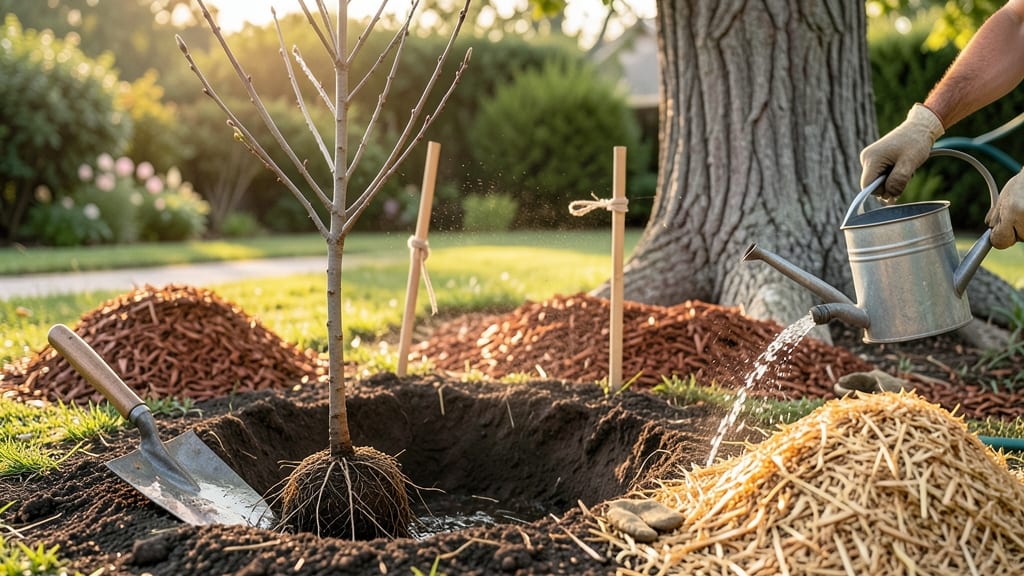
Planting a tulip tree means welcoming a sun-loving giant that could one day shade your entire backyard. 🌳 I planted mine last spring, and while it’s still small, the promise of that 75-foot height makes every step worth it—especially when you see those distinctive tulip-shaped leaves unfurl in early summer.
The key is giving it space from day one: these trees need 20-30 feet of room to spread, so plant them where they won’t outgrow their welcome. Well-draining soil and full sun (6+ hours daily) are non-negotiable, but they’re surprisingly adaptable to different soil types once established.
Mulch helps retain moisture while keeping roots cool. After planting, water deeply once a week for the first year, letting the soil dry slightly between waterings. The first few years are critical—they’ll grow fast, but inconsistent moisture can stunt their development.
By year three, you’ll notice that signature vertical growth, with branches forming a graceful, airy canopy. Container planting? Only for the first few years if you’re in a small space. Transplant to the ground as soon as possible—they hate being root-bound.
Patience is key: it takes decades for them to reach their full height, but every stage is rewarding.
📚 In This Guide
- What you need
- Instructions
- Tips and common mistakes
- Wrapping up and next steps
What you need
- ● Tulip tree seedling or sapling: 1 healthy, disease-free plant (3–6 feet tall for best results)
- ● Check roots for tangling—gentle separation is key!
- ● Shovel or trowel: 1 round-point shovel (for digging holes) or 1 trowel (for smaller saplings)
- ● Stainless steel or heavy-duty aluminum for durability
- ● Compost or well-aged manure: 5–10 gallons (mixed with native soil for nutrient boost)
- ● Native soil or topsoil: Enough to fill the planting hole (see size below)
- ○ Mulch (optional but recommended): 2–3 inches of organic mulch (wood chips or shredded bark)
- ● Watering can or hose with spray nozzle: For deep watering (1–2 gallons per watering session)
- ○ Gloves (optional but helpful): 1 pair of gardening gloves (to protect hands from rough soil)
- ● Location: Full sun to partial shade (6+ hours of sunlight daily)
- ● Well-draining soil (avoid waterlogged areas!)
- ● Planting hole size: 2–3 times wider than the root ball
- ● Depth: Equal to the root ball’s height (no deeper!)
- ● Timing: Best planted in early spring or fall (avoid extreme heat or frost)
- ● 🌡️ Soil pH: Tulip trees thrive in slightly acidic to neutral soil (pH 5.0–7.0). Test your soil if unsure!
- ● ✨ Spacing: Give your tree room to grow! Plant saplings 30–50 feet apart for mature height (75+ feet!).
- ○ 🔥 Staking (optional): Use 1–2 stakes if planting in windy areas (secure loosely to avoid root damage).
Step-by-Step guide to planting a tulip tree
Here’s how to plant this towering beauty—where to dig, when to act, and how to set it up for decades of sunlit growth.
🪴 Step 1: Choose the Perfect Spot
Tulip trees thrive in full sun (at least 6 hours daily) and need plenty of space—their roots spread wide and they can reach 75 feet tall. Pick a location with well-draining soil and at least 20 feet of clearance from structures, power lines, or other trees. Their canopy is broad, so avoid planting near sidewalks or driveways where falling leaves or branches could cause issues.
Test your soil’s drainage by digging a 12-inch hole and filling it with water. If it drains within 4-6 hours, your spot is ideal. If water pools or drains slowly, amend the soil with 2-3 inches of compost or sand to improve drainage. Tulip trees dislike soggy roots, which can lead to root rot and stunted growth.
🌱 Step 2: Dig the Right Hole
Dig a hole twice as wide as the root ball but no deeper—planting too deep can suffocate the roots and cause the tree to struggle. For a 5-gallon container-grown tulip tree, aim for a hole about 18-24 inches wide. Loosen the soil at the bottom of the hole with a shovel or your hands to encourage root penetration into the native soil.
If your soil is heavy clay, mix in a 5-gallon bucket of compost or aged manure into the bottom of the hole. This gives the roots a nutrient boost as they establish. Avoid fresh manure—it can burn tender roots. Place the tree in the hole so the top of the root ball sits level with the surrounding soil—never mound soil around the trunk.
💧 Step 3: Plant and Water Deeply
Gently remove the tree from its container and place it in the hole, ensuring the root flare (where the roots meet the trunk) is visible above the soil line. Fill the hole with native soil, tamping it down lightly every 2-3 inches to remove air pockets. Water the tree deeply as you go to help settle the soil around the roots.
After planting, water the tree with 10-15 gallons of water to encourage roots to spread into the surrounding soil. Mulch the area with 2-3 inches of organic mulch (like wood chips or pine straw) in a 3-foot diameter circle, keeping the mulch 6 inches away from the trunk to prevent rot. This retains moisture, regulates soil temperature, and suppresses weeds—critical for a young tulip tree’s first year.
☀️ Step 4: Provide Care for the First Year
Tulip trees need consistent moisture during their first year, especially in hot, dry climates. Water deeply once a week (or more often in extreme heat) until the tree establishes a strong root system, which typically takes 12-18 months. You’ll know it’s thriving when new growth appears in spring and the leaves stay vibrant green without wilting.
Fertilize lightly in early spring with a balanced, slow-release fertilizer (like 10-10-10) at half the recommended rate. Over-fertilizing can lead to excessive leaf growth at the expense of root development. Avoid heavy pruning in the first year—only remove dead or broken branches. Let the tree focus on growing strong rather than producing flowers or branches.
⏰ Step 5: Monitor Growth and Prune Strategically
Tulip trees grow 2-3 feet per year when young, so keep an eye on their height and spread. Prune in late winter or early spring (before new growth starts) to remove dead, diseased, or crossing branches. Use clean, sharp pruners to make cuts just above a outward-facing bud to encourage healthy growth.
If your tree develops suckers (shoots growing from the base), remove them promptly—they compete with the main trunk for nutrients. In urban areas, consider regular pruning to manage the tree’s size, but avoid heavy pruning, which can weaken the tree. With proper care, your tulip tree will reward you with fragrant yellow flowers in spring and golden fall foliage for decades.
Tips & tricks for planting a tulip tree
Real talk: Planting a tulip tree is a long-term investment, and these small details make all the difference between a struggling sapling and a thriving giant. Here's what nobody tells you—
Sunlight Strategy: That "full sun" requirement in Step 1 isn't just about daylight hours—it's about quality light. South-facing locations get the most consistent sun exposure, but if your yard only gets morning sun, position the tree where it'll catch those crucial 6 hours daily without afternoon shade from nearby structures. I've seen tulip trees planted in partial shade grow slowly, and after 5 years, they're still only half the height of their sunlit counterparts.
Soil Test Hack: The drainage test in Step 1 is critical, but here's what I learned the hard way: if water disappears in under 2 hours, your soil might be too sandy. In that case, mix in 1-2 inches of peat moss to help retain moisture during dry spells. The goal is that 4-6 hour drainage window—any faster and roots dry out too quickly; any slower and you risk root rot.
Root Ball Handling: When you're removing your tulip tree from its container in Step 3, don't yank it out by the trunk! Gently squeeze the sides of the container and wiggle it loose while supporting the root ball. The root flare (where roots meet trunk) should be visible above the soil line—this is non-negotiable. I once planted a tree with the flare buried, and it took two years for the tree to recover from the stress of suffocated roots.
Mulching Wisdom: That 2-3 inches of organic mulch in Step 3 isn't just decoration—it's a protective blanket. Use wood chips or pine straw, but avoid dense mulch like bark nuggets that can mat down and prevent water penetration. The 3-foot diameter circle should extend beyond the tree's drip line (the edge of its canopy), and that 6-inch gap from the trunk prevents moisture buildup that leads to rot.
Pro Tips for Plant A Tulip Tree
- Real talk: Planting a tulip tree is a long-term investment, and these small details make all the difference between a struggling sapling and a thriving giant.
- Sunlight Strategy: That "full sun" requirement in Step 1 isn't just about daylight hours—it's about quality light.
- Soil Test Hack: The drainage test in Step 1 is critical, but here's what I learned the hard way: if water disappears in under 2 hours, your soil might be too sandy.
Frequently asked questions
Got questions about planting a tulip tree? You’re not alone! Here are answers to the most common concerns—from timing to troubleshooting—so you can grow this stunning giant with confidence.
What’s the best time of year to plant a tulip tree?
Plant your tulip tree in early spring or fall when temperatures are mild (50–60°F). Avoid extreme heat or cold, as these can stress young roots. Spring planting gives roots time to establish before summer, while fall allows them to settle before winter dormancy.
How close can I plant a tulip tree to my house or fence?
Tulip trees grow 75 feet tall and wide, so plant them at least 30–50 feet from structures to avoid root conflicts or shading issues. Check local guidelines—some areas require setbacks for large trees. If space is limited, opt for a dwarf variety (like ‘Little Volunteer’).
Why is my tulip tree’s leaves yellowing after planting?
Yellowing leaves often signal overwatering, poor drainage, or transplant shock. Ensure the soil drains well (tulip trees hate soggy roots) and water deeply but infrequently. If leaves curl or drop, it may be stress—mulch the base to retain moisture and reduce temperature swings.
Can I grow a tulip tree from seed instead of buying a sapling?
Yes! Tulip tree seeds (from the winged samaras) can germinate, but it takes 2–5 years for seedlings to reach transplant size. For faster results, buy a 1–3 year-old nursery-grown sapling. If sowing seeds, plant them in fall or early spring in well-draining soil and keep them moist.
Will a tulip tree survive in partial shade?
While tulip trees thrive in full sun (6+ hours daily), they can tolerate partial shade (4+ hours of sun), especially in hot climates. Growth may slow, and flowering could be less vibrant. If planting in shade, choose a spot with morning sun for best results.
Are tulip trees messy? Do they drop lots of debris?
Tulip trees are moderately low-maintenance but do drop leaves, flowers, and samaras (winged seed pods) in fall. Raking leaves regularly and pruning dead branches will minimize clutter. Their fragrant yellow flowers also attract pollinators—so expect some bee activity!
Wrapping up and next steps
Planting a tulip tree is a rewarding way to add a stately, sun-loving giant to your landscape—one that can grow up to 75 feet tall with proper care! 🌳 By choosing the right location, preparing the soil, and following best practices for spacing and watering, you’ll set your tree up for decades of lush, vibrant growth.
Whether you’re a gardening novice or a seasoned green thumb, the key is patience and consistency.
Ready to watch your tulip tree thrive? Next, check out our guide on caring for young saplings—like mulching, pruning, and protecting against pests—to ensure your tree reaches its full potential. Happy planting! 🌱