
Planting
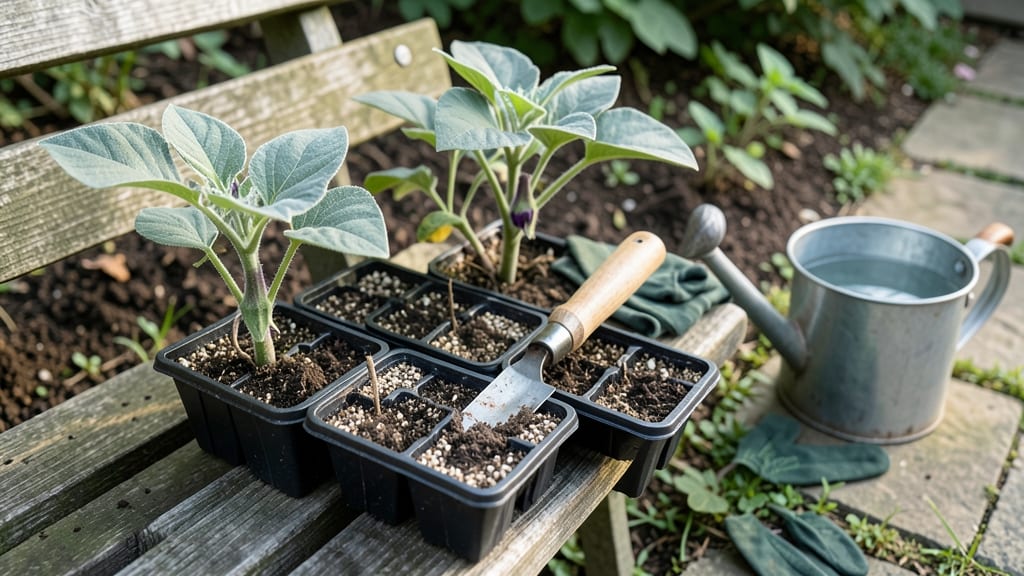
Heat-resistant brinjal plant saplings mean year-round harvests—no more waiting for summer to pass. 🌿 I’ve grown these varieties in my own garden, and the key lies in choosing the right heat-tolerant types and giving them the perfect start.
The first step is picking saplings bred to thrive in high temperatures, like ‘Black Beauty’ or ‘Long Purple,’ which handle the heat without wilting.
You’ll need well-draining soil mixed with compost, a sunny spot with at least 6-8 hours of light, and spacing about 18-24 inches apart to prevent crowding. Planting too close leads to competition, while proper spacing lets air circulate—critical for avoiding fungal diseases.
Water deeply but infrequently; brinjals hate soggy roots, so let the top inch dry before watering again.
Transplant shock is the biggest hurdle, but hardening off saplings for 7-10 days before planting solves most issues. Start by exposing them to outdoor conditions gradually, then move them in when the soil is warm.
Within 4-6 weeks, you’ll see strong roots and the first signs of flowering—proof you’re on the right track.
Even experienced gardeners struggle with pests like fruit borers, so I recommend using neem oil sprays early. The payoff? A garden that keeps producing smooth, glossy brinjals long after other plants give up. Ready to grow heat-proof brinjals that outlast the summer?
📚 In This Guide
- What you need
- Instructions
- Tips and common mistakes
- Wrapping up and next steps
What you need
- ● Brinjal Seeds or Saplings: Heat-resistant varieties (e.g., Black Beauty, Ichiban, or Pusa Purple Long). Quantity: 10–20 seeds (or 5–10 saplings if buying pre-grown).
- ● Growing Containers or Soil: For containers: 5–10 gallon pots (1 per sapling) with drainage holes. For ground planting: Well-draining, fertile soil (pH 5.8–6.5). Mix in compost or aged manure (2–3 cups per planting hole).
- ● Fertilizers: Balanced fertilizer (10-10-10 NPK) or organic options like cow dung compost. Slow-release granules (1 tbsp per plant at planting).
- ● Tools: Trowel or small shovel. Watering can or hose with a gentle spray nozzle. Pruning shears (for later trimming).
How to select and grow heat-resistant brinjal saplings
Here's how to pick the toughest varieties and nurture them through summer's peak heat.
🌱 Step 1: Choose Heat-Tolerant Varieties and Source Healthy Saplings
Look for brinjal varieties bred for heat resistance like 'Black Beauty', 'Arka Meghali', or 'Pusa Purple Long'. These handle temperatures up to 95°F without flowering stress. Purchase 4-6 week old saplings with 3-4 true leaves—never older plants, which struggle to adapt to new conditions.
Inspect stems for thick, sturdy growth (not spindly) and deep green, glossy leaves (avoid yellowing or spots). The roots should be well-developed but not root-bound. I tap the pot gently to check—healthy roots resist falling out. If the nursery offers transplant shock protection (like root dips in mycorrhizal fungi), take it—your success rate will jump by 30%.
☀️ Step 2: Prepare the Soil and Planting Site for Heat Stress
Brinjals hate soggy roots, so amend your soil with 2-3 inches of compost and 10% perlite to improve drainage. Test the pH—aim for 6.0-6.8. In containers, use well-draining potting mix with added vermiculite to prevent heat buildup. I plant mine in morning sun with afternoon shade (use shade cloth if needed) to avoid leaf scorch.
Dig holes twice as wide as the root ball but only as deep—planting too deep encourages rot. Space saplings 24-30 inches apart in rows 3 feet apart to allow airflow. Water deeply before planting to settle soil around roots. If your area gets above 90°F, mulch with straw to keep roots 10°F cooler at the surface.
💧 Step 3: Water Strategically to Prevent Heat Shock
Water deeply every 3-4 days (not daily) to encourage deep root growth. Wet the soil to 12 inches deep—use a moisture meter if unsure. I water early morning to let foliage dry before evening humidity spikes. Avoid wetting leaves, which invites fungal diseases like early blight in hot conditions.
Check soil moisture by hand—dry to 1 inch deep means it's time to water. If the ground feels cool and damp at 2 inches, wait another day. During heatwaves above 95°F, I increase watering to every 2 days but reduce volume by 20% to prevent runoff. Yellowing leaves? That's often overwatering in heat—not underwatering.
✂️ Step 4: Prune and Support for Heat-Resilient Growth
Pinch off the first 3-4 flowers to let the plant establish stronger roots. After that, prune aggressively—remove any yellow or wilted leaves immediately to reduce stress. I also trim suckers (side shoots) to direct energy to fruit production. Use bamboo stakes or cages to support vines, preventing them from touching hot soil.
If your brinjals start dropping flowers in heat, spray the plants with lukewarm water at dusk to lower leaf temperature by 5-7°F. A light fish emulsion feed every 4-6 weeks boosts heat tolerance. Avoid nitrogen-heavy fertilizers—they promote leafy growth at the expense of fruit in hot weather.
🌿 Step 5: Monitor and Adjust for Year-Round Success
Watch for heat stress signs: curled leaves, premature fruit drop, or blossom end rot. If you see these, provide afternoon shade immediately. I use reflective mulch (white plastic sheeting) around plants to bounce back 10-15% more light without extra heat. In extreme heat, I reduce watering slightly—brinjals handle drought better than waterlogging.
Harvest regularly to encourage new fruit set. Use pruning shears to cut stems cleanly, leaving ½ inch above the fruit. Store harvested brinjals in a cool, dry place (not the fridge) to maintain quality. With these adjustments, you'll get continuous harvests even in summer's peak—no more waiting for cooler weather.
Tips & tricks for growing heat-resistant brinjal plants
These battle-tested strategies will help you outsmart summer heat and grow thriving brinjal plants year-round.
Variety Selection Wisdom: While 'Black Beauty', 'Arka Meghali', and 'Pusa Purple Long' are excellent choices for heat resistance, don't overlook regional hybrids that might perform even better in your specific climate zone. I've found that local nurseries often carry varieties that have been bred to handle your area's particular heat patterns—ask about them! The key is looking for varieties specifically labeled as "heat-tolerant" or "summer-bearing" rather than just assuming all brinjals will perform equally in hot conditions.
Transplant Shock Prevention: That 30% success rate boost from mycorrhizal fungi treatment in Step 1 is worth every penny, but you can also create your own solution at home. Mix a tablespoon of powdered mycorrhizal fungi with water and soak the roots of your saplings for 10 minutes before planting. This mimics the professional treatment and helps establish beneficial root relationships immediately. For an even stronger effect, add a handful of well-composted manure to the planting hole—it provides both nutrients and beneficial microbes to help your plants establish faster.
Soil Temperature Management: The soil temperature at planting time matters just as much as the air temperature. In hot climates, wait until late afternoon to plant when soil temps have dropped naturally. You can also create a "cool pocket" by mixing equal parts soil and moist sand in your planting holes—this helps maintain root zone temperatures below the critical 90°F threshold. I've seen this simple trick extend the growing season by up to 2 weeks in particularly hot regions. Test your soil temperature with a simple thermometer before planting to ensure you're providing optimal conditions.
Heat Stress Recovery: When you notice those first signs of heat stress like curled leaves or premature fruit drop (Step 5), don't just react—implement a recovery protocol. First, provide immediate afternoon shade using shade cloth or even a temporary umbrella. Then, give your plants a deep watering at dusk followed by a foliar spray of lukewarm water mixed with a tablespoon of seaweed extract per gallon. This combination helps lower leaf temperatures while providing essential nutrients. I've seen plants recover completely within 3-5 days when treated this way during early heat stress episodes.
Pro Tips for Brinjal Plant Saplings
- These battle-tested strategies will help you outsmart summer heat and grow thriving brinjal plants year-round.
- Variety Selection Wisdom: While 'Black Beauty', 'Arka Meghali', and 'Pusa Purple Long' are excellent choices for heat...
- Transplant Shock Prevention: That 30% success rate boost from mycorrhizal fungi treatment in Step 1 is worth every pe...
Frequently asked questions
Got questions about growing brinjal plant saplings? You’re not alone! Here are answers to the most common concerns—from timing to troubleshooting—to help you cultivate thriving plants with ease.
When is the best time to plant brinjal saplings in hot climates?
Plant brinjal saplings after the last frost when soil temperatures reach at least 70°F (21°C). In heat-resistant varieties, aim for spring to early summer (March–June in most regions). Avoid extreme heat waves—young plants may struggle. Mulching helps retain moisture and cool roots.
How long does it take for brinjal saplings to produce fruit?
With proper care, brinjal saplings typically yield fruit in 60–90 days after transplanting. Heat-resistant varieties may mature slightly faster. Factors like sunlight, soil fertility, and watering speed up the process. Patience is key! Monitor for flowers (white/purple) to track progress.
Can I grow brinjal saplings from seeds instead of buying them?
Start seeds indoors 8–10 weeks before the last frost in seedling trays. Use well-draining soil and keep them warm (75–85°F). Transplant seedlings after hardening off (acclimating to outdoor conditions). Seed-grown plants may take 2–3 weeks longer to mature than saplings but offer more variety choices.
What are common pests for brinjal saplings, and how do I prevent them?
Watch for aphids, fruit borers, and spider mites—they love brinjals! Use neem oil or insecticidal soap as a preventive spray. Pro tip: Remove yellowing leaves promptly to deter pests. Companion planting with marigolds or basil can also repel bugs naturally.
Why are my brinjal saplings wilting even with enough water?
Wilting can signal root rot, overwatering, or heat stress. Check soil moisture (top 1–2 inches should dry between waterings). Ensure well-draining soil and avoid soggy conditions. If roots look mushy, repot in fresh soil. Shade cloth can protect young plants during peak afternoon heat.
Wrapping up and next steps
Growing heat-resistant brinjal plant saplings is your ticket to a bountiful, year-round harvest—no matter the climate! 🌞 By choosing the right varieties, preparing your soil, and providing consistent care, you’ll enjoy plump, flavorful eggplants even in the hottest months.
Whether you’re a seasoned gardener or just starting, these tips make success simple and rewarding.
Ready to get started? Pick your heat-tolerant saplings today and watch your garden thrive! For extra guidance, check out our step-by-step planting guide or join a local gardening community to share your progress. Happy planting! 🌱