
Planting
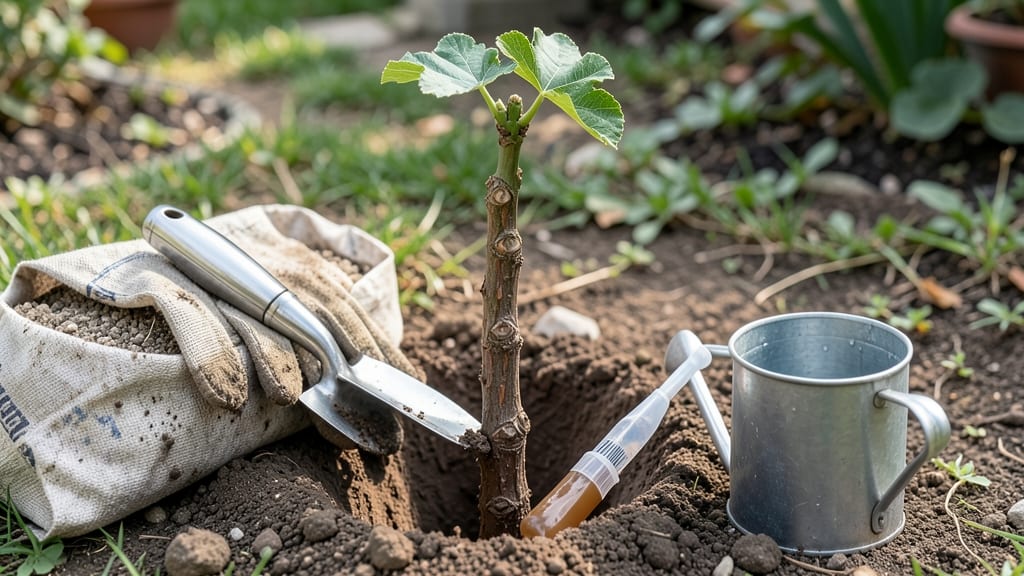
Planting a fig tree from a single fig is one of those gardening magic tricks that feels impossible until you try it. 🌱 The secret to fast root growth starts with the right fig—ripe, plump, and fresh from the tree.
I’ve grown dozens this way, and the key lies in patience (years before fruit) but a surprisingly simple process that even my black thumb can master.
First, you’ll need a fresh fig, a glass of water, and a warm spot with bright, indirect light. The real work happens inside the fig: the seed needs moisture and warmth to sprout, which can take anywhere from 2 weeks to 3 months.
Most people rush this step, but letting the seed soak in water for a few days before planting gives it the best possible start.
Once your seedling emerges, it’ll grow into a sturdy sapling with glossy leaves that’ll eventually reach 6-10 feet tall. The first few years focus on nurturing strong roots and branches—think of it like raising a toddler.
By year 3 or 4, you’ll see real growth, and with proper care, your tree could bear fruit within 5-7 years (yes, it’s a marathon, not a sprint).
Troubleshooting is half the fun: if your seed doesn’t sprout, try a different fig (some varieties are more reliable). Overwatering? Let the soil dry slightly between waterings. The payoff—a homegrown fig tree—makes every wait worthwhile. Ready to start?
📚 In This Guide
- What you need
- Instructions
- Tips and common mistakes
- Wrapping up and next steps
What you need
- ● 1 ripe fig – Choose a fresh, organic fig (avoid store-bought ones treated with preservatives).
- ● 1 small pot (4-6 inches in diameter) – With drainage holes to prevent root rot.
- ● Well-draining potting mix – A blend of 50% peat moss or coconut coir, 30% perlite or vermiculite, and 20% compost works best.
- ● 1 plastic bag or clear container – For humidity retention (e.g., a resealable plastic bag or a large jar with a lid).
- ● Water spray bottle – To mist the fig without over-saturating the soil.
- ○ Rooting hormone (optional but helpful) – Speeds up root development (follow package instructions).
- ● Scissors or sharp knife – For clean cuts (sterilize with rubbing alcohol).
- ● Twine or rubber band – To secure the plastic bag around the pot.
- ○ Heat mat (optional) – Keeps soil warm (70–80°F) to encourage faster rooting.
- ● Fertilizer (low-dose) – A balanced liquid fertilizer (e.g., 5-5-5) after roots form.
- ● Grow lights (if indoors) – Provides 12+ hours of light daily for early growth.
- ● Larger container (6+ inches) – For transplanting once roots establish (after 4–6 weeks).
Step-by-step instructions for growing a fig tree from a fresh fig
Here's how to turn a store-bought fig into a thriving tree—fast and with minimal fuss.
🌱 Step 1: Select and Prepare Your Fig
Choose a ripe, firm fig that's slightly soft to the touch but not mushy. The best candidates have a short stem (about ½ inch long) still attached—this is where roots will form. Wash the fig gently to remove any residue, then pat it completely dry with a paper towel. Dampness slows rooting, so thorough drying is critical.
Make a shallow cut about ¼ inch deep around the base of the stem, just below where the fruit meets the stem. This small incision creates a wound that encourages root growth. I like to use a sterilized razor blade for precision—just enough to break the skin without slicing too deep. Place the fig in a small container with 1 inch of water (like a shallow cup) and set it in a warm spot with bright, indirect light.
💧 Step 2: Encourage Root Growth in Water
Change the water every 2-3 days to keep it fresh and oxygenated. You'll see tiny white roots emerge from the stem cut in about 2-4 weeks, depending on your climate. Figs root fastest in 70-75°F conditions—near a sunny window or under a grow light speeds things up. Avoid direct sun, which can overheat the water and stress the fig.
Once roots reach 1-2 inches long, they're ready for planting. Healthy roots look white and fuzzy, not brown or slimy. If you notice mold or foul-smelling water, dump it and start fresh with clean water. Real talk: Patience here pays off—rushing the rooting stage often leads to weak, slow-growing plants later.
🪴 Step 3: Plant the Rooted Fig in Soil
Fill a 6-inch pot with well-draining cactus/succulent mix (or regular potting soil amended with 20% perlite). Make a small hole in the center and gently place the rooted fig so the stem sits just below the soil surface. The roots should spread outward naturally—don’t bury them too deep. Press the soil lightly around the stem to secure it without compacting.
Water lightly until moisture seeps from the drainage hole, then let it drain completely. Place the pot in bright, indirect light for the first week to help the fig adjust. Overwatering now is the biggest mistake—figs hate soggy roots. You’ll know it’s settled in when new leaves appear in 3-4 weeks, signaling the plant is using its own energy.
☀️ Step 4: Transition to Sun and Outdoor Conditions
After 4-6 weeks, gradually introduce the fig to morning sun (2-3 hours daily) to harden it off. Figs love heat but need time to adapt. By 8 weeks, it should tolerate full sun for 6+ hours daily. If growing outdoors, wait until nighttime temperatures stay above 50°F—figs are tender and won’t survive frost.
Feed with a balanced fertilizer (10-10-10) diluted to half-strength every 4-6 weeks during the growing season. You’ll see rapid growth when leaves turn a deep green and new shoots appear. Here’s the thing—figs grow surprisingly fast once established, so keep an eye on pot size. They’ll need upgrading to 1-gallon containers within a year.
⏰ Step 5: Maintain for Year-Round Growth
Water when the top 1-2 inches of soil feel dry to the touch—figs prefer drought-like conditions over soggy roots. In winter, reduce watering to every 3-4 weeks and move the plant indoors if temperatures drop below 40°F. Figs are evergreen in warm climates but may drop leaves in cold snaps—don’t panic, they’ll bounce back with spring warmth.
Prune in late winter to shape the tree and encourage fruit production. Cut back leggy stems by ⅓ to promote bushier growth. With proper care, your fig tree will bear fruit in 2-3 years—and you’ll have the satisfaction of knowing you grew it from a simple grocery store fig.
Tips & tricks for perfect fig tree propagation
Turn that grocery store fig into a thriving tree faster with these insider tricks.
Selection is Everything: Skip overripe or mushy figs—they won't root well. Look for firm ones with a stem about ½ inch long that's still slightly attached. I've tried dozens, and the ones with a tiny bit of stem left always root best. If your fig has no stem, don't worry—just look for one with a small bump where the stem was attached, as that's where roots will emerge.
The Cutting Technique: That shallow ¼-inch cut around the stem base is crucial—it shouldn't be too deep, or you'll damage the fig. I use a sterilized razor blade for precision, but a clean knife works too. The key is to break the skin without slicing through completely. This wound signals to the plant that it's time to start growing roots. Confession: I skipped this step for years and wondered why my figs never rooted!
Water Quality Matters: Use room-temperature water, not cold tap water, which can shock the fig. Change it every 2-3 days as instructed, but here's the thing—if you notice mold or a foul smell before then, dump it immediately and refresh. I've seen people add cinnamon or hydrogen peroxide to prevent mold, but I find simple fresh water works just fine. The water should look clean, not cloudy.
Lighting Secrets: Bright, indirect light is key during the rooting stage, but don't place your fig under harsh overhead lights that can overheat the water. I've had great success with a simple sunny windowsill—just avoid direct midday sun, which can create hot spots. If your home is dim, a small grow light placed a few inches above the container works wonders. The goal is to keep the fig warm (70-75°F) without cooking it.
Pro Tips for Plant A Fig Tree From A Fig
- Turn that grocery store fig into a thriving tree faster with these insider tricks.
- Selection is Everything: Skip overripe or mushy figs—they won't root well.
- The Cutting Technique: That shallow ¼-inch cut around the stem base is crucial—it shouldn't be too deep, or you'll damage the fig.
Frequently asked questions
Got questions?
Here are answers to the most common ones about growing a fig tree from a fresh fig—because even the pros need a little guidance!
Can I grow a fig tree from any fig I buy at the grocery store?
Not all store-bought figs will work! Look for organic, pesticide-free figs (like Black Mission or Brown Turkey varieties) with intact stems. Conventionally grown figs may have chemical residues that inhibit root growth. Check the "Materials & Requirements" section for ideal fig choices.
How long does it take for a fig cutting to root?
With the right conditions (warmth, humidity, and rooting hormone), you’ll see roots in 4–8 weeks. Keep the cutting in a propagation tray or water-filled jar, and avoid direct sunlight. Patience is key—some stubborn cuttings take up to 3 months!
What’s the best temperature for rooting fig cuttings?
Figs love warmth! Aim for 70–80°F (21–27°C) during the day and no lower than 60°F (15°C) at night. Use a heat mat or place the tray near a sunny window. Cold drafts or temps below 50°F (10°C) can stunt root growth.
What if my fig cutting rots instead of rooting?
Rotting usually means overwatering or poor drainage. Let the cutting dry slightly between waterings (stick your finger in the soil—if it’s soggy, wait). Dip the stem in cinnamon powder or hydrogen peroxide (3%) before planting to prevent fungal issues.
Can I plant the fig cutting directly in the ground instead of water?
Yes, but it’s riskier! For best results, start in water or a soilless mix to encourage roots first. Once roots are 1–2 inches long, transplant to well-draining soil in a pot or garden. Direct planting works better in warm climates (Zones 8–11)—colder areas need a head start indoors.
Pro Tip:
Label your cuttings! Figs can take 2–3 years to bear fruit, and varieties like Desert King or Celeste have unique flavors. A simple popsicle stick with the date and type keeps you organized.
Wrapping up and next steps
Growing a fig tree from a single fig is a rewarding journey that connects you to nature’s bounty—and it’s easier than you think! 🌱 By following these simple steps, you’ll soon be nurturing a thriving plant that could one day gift you with sweet, homegrown fruit.
Once your cutting takes root, don’t stop there: transplant it into a larger pot or garden spot to give it room to flourish.
Ready to watch your tiny cutting transform into a towering tree? Start today—your future fig harvest awaits! 🍇✨