
Planting
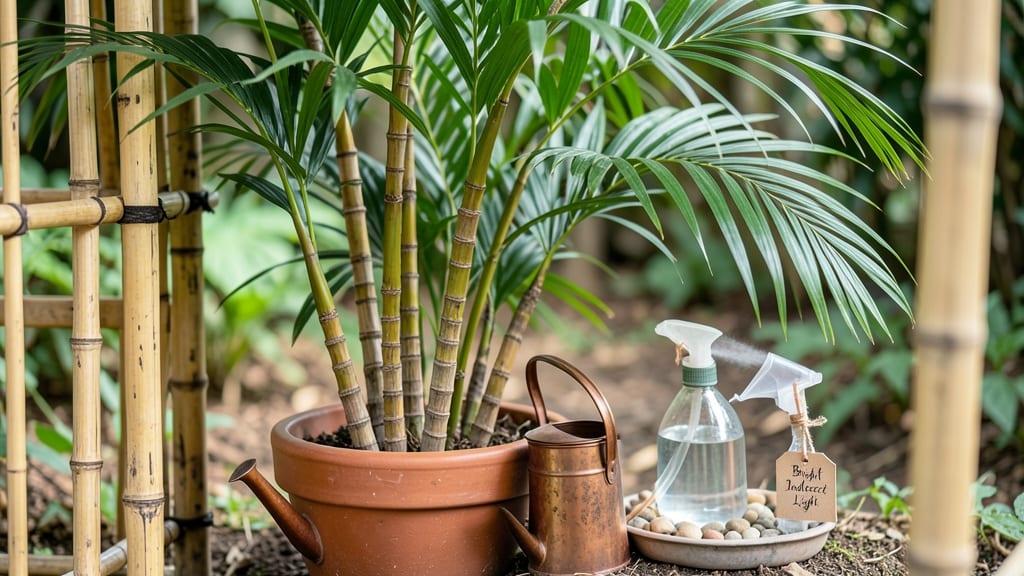
Caring for a cane plant means unlocking that shockingly lush, architectural beauty in your home—no green thumb required. 🌿 I’ve watched my own bamboo canes grow from 6 inches to 8 feet in just two years, and the secret lies in understanding their specific needs rather than treating them like ordinary houseplants.
These plants thrive on bright, indirect light—think east-facing windows or a few feet from a south window—where they get morning sun but avoid harsh afternoon rays. The soil should stay slightly moist but never soggy, and a well-draining mix with perlite or orchid bark keeps roots happy.
Overwatering is the #1 killer, so stick your finger in the soil first—if it’s dry an inch down, it’s time to water. You’ll notice new growth in 3-4 weeks if you’ve got the light and water right, with those signature cane-like stems reaching upward.
Prune leggy canes in early spring to encourage bushier growth, and fertilize lightly every 6-8 weeks during the growing season. The payoff? A plant that looks like a tropical escape without the fuss. Works for bamboo, rattan, or ornamental canes—just adjust light slightly for darker-leafed varieties.
Let’s get those canes thriving!
📚 In This Guide
- What you need
- Instructions
- Tips and common mistakes
- Wrapping up and next steps
What you need
- ● Cane plant: Choose a healthy specimen (e.g., Dracaena marginata, Calathea orbifolia, or Bamboo palm).
- ● Well-draining potting mix: 1 bag (1-2 gallons) of peat-based or orchid mix (50% perlite/pumice for aeration).
- ● Pot with drainage holes: 1 container (1-2 sizes larger than the plant’s root ball).
- ● Watering can with a narrow spout: 1 (to avoid over-saturating soil).
- ● Humidity tray or pebble tray: 1 (for tropical cane varieties like Calathea).
- ● Fertilizer: 1 bottle of balanced liquid fertilizer (10-10-10 or 20-20-20, diluted to half-strength).
- ● Pruning shears: 1 pair (sterilized with rubbing alcohol).
- ● Spray bottle: 1 (for misting Calathea or Dracaena leaves).
- ● Grow lights: 1-2 LED bulbs (if natural light is <10 hours/day).
- ● Soil moisture meter: 1 (to check root health without overwatering).
- ● Decorative pot cover: 1 (to protect soil from direct sunlight).
- ● Plant food sticks: 2-3 (slow-release nutrients for busy plant parents).
- ● Room thermometer/hygrometer: 1 (to monitor ideal temps: 65–80°F and 40–60% humidity).
Step-by-Step guide to nurturing a thriving cane plant
Here’s how I keep my cane plants lush and vibrant year-round—no guesswork, just proven care.
🪴 Step 1: Select the Right Spot for Light and Airflow
Cane plants, like the elegant Dracaena marginata or Calathea, thrive in bright, indirect light—think east-facing windows or a few feet back from a south-facing one. Direct sun scorches their delicate leaves, while dim corners cause leggy, weak growth. I rotate my plant quarter-turn weekly so all sides get even light exposure, which prevents it from leaning toward the window.
Airflow matters just as much as light. Place your cane plant in a spot with gentle breezes—a ceiling fan on low or an open window with screen protection works perfectly. Stagnant air invites pests like spider mites, and you’ll spot them first as tiny webs between leaves. If your home runs dry, a pebble tray with water beneath the pot adds humidity without overwatering.
💧 Step 2: Master the Watering Routine
Overwatering is the #1 killer of cane plants. Stick your finger 1-2 inches into the soil—if it feels dry, water thoroughly until liquid drains from the bottom. Let excess water escape completely; soggy roots rot in days. I water mine every 7-10 days in winter and every 5-7 days in summer, adjusting for my home’s humidity. Underwatering shows as crispy leaf edges, while overwatering causes yellowing lower leaves.
Use room-temperature water to avoid shocking the roots. I fill a clean spray bottle with filtered water and mist the leaves occasionally—this mimics tropical humidity and keeps dust off the foliage. Avoid cold drafts after watering; sudden temperature drops stress the plant. If the soil stays damp for more than 3 days, reduce watering immediately.
☀️ Step 3: Feed and Prune for Long-Term Health
Feed your cane plant monthly in spring and summer with a balanced liquid fertilizer (10-10-10 or 20-20-20 diluted to half-strength). I mix it into water and apply it when the soil is slightly dry—this ensures nutrients reach roots without burning. Skip fertilizing in fall and winter when growth slows. Yellow leaves after feeding? You overdid it—flush the soil with water to rinse out excess salts.
Prune to encourage fuller growth. Snip off brown or yellow leaves at the base with clean scissors, and trim leggy stems just above a leaf node. This redirects energy to new shoots. If your plant outgrows its pot, it’s time to repot—spring is ideal. Choose a container 2 inches wider than the current one and use fresh, well-draining potting mix. Handle the roots gently; cane plants resent rough treatment.
✂️ Step 4: Troubleshoot Common Issues
Brown leaf tips? Your plant craves humidity. Group it with other houseplants or place a humidifier nearby. Brown patches on leaves? Check for pests—wipe leaves with a damp cloth to remove dust and inspect undersides for mites or scale. A neem oil spray (mixed per label) treats infestations without harming the plant. If leaves droop despite proper watering, the roots may be bound—repot into fresh soil to revive growth.
Leggy stems? Your plant isn’t getting enough light. Move it closer to a window or supplement with a grow light 12 inches away for 14 hours daily. Yellow lower leaves are normal as the plant matures, but if new leaves yellow too, you’re overwatering. Adjust your routine: water less frequently and ensure the pot has drainage holes. With consistent care, your cane plant will reward you with vibrant, arching foliage for years.
Tips & tricks for perfect cane plant care
These proven strategies will help you avoid common pitfalls and keep your cane plant thriving for years.
The Light Factor: In Step 1, when positioning your cane plant, remember that east-facing windows provide the ideal balance of bright, indirect light. If you notice your plant leaning toward the window after a few weeks, it's time to rotate it again. I've found that placing mine on a turntable or simply rotating it every 7-10 days (not just weekly) prevents uneven growth patterns. The goal is to maintain that perfect arching shape cane plants are known for.
Airflow Secret: The gentle breeze recommendation in Step 1 isn't just about preventing pests—it's also about strengthening your plant's stems. I've seen cane plants develop much sturdier stems when placed near a ceiling fan on low setting (about 5-7 mph airflow). This mimics natural wind conditions and actually helps prevent the plant from becoming too leggy. Just avoid direct drafts from air conditioning vents or open windows.
Watering Wisdom: When checking soil moisture in Step 2, remember that the 1-2 inch depth check should be done in multiple spots around the pot. I've ruined plants by assuming the soil was dry when it was actually only dry on the surface. Also, the room-temperature water tip is crucial—cold water can shock the roots, especially in sensitive varieties like Calathea. I keep a pitcher of water at room temperature specifically for my plants.
Fertilizer Timing: In Step 3, that monthly spring/summer feeding schedule is perfect, but here's the key detail: always fertilize when the soil is slightly dry. Wet soil can burn the roots when fertilizer is applied. I set a reminder in my phone for the 1st of each month during growing season, but I also check the soil first before applying. And when you see those yellow leaves after feeding, don't panic—just flush the soil with water as instructed to remove excess salts.
Pro Tips for Care For A Cane Plant
- These proven strategies will help you avoid common pitfalls and keep your cane plant thriving for years.
- The Light Factor: In Step 1, when positioning your cane plant, remember that east-facing windows provide the ideal balance of bright, indirect light.
- Airflow Secret: The gentle breeze recommendation in Step 1 isn't just about preventing pests—it's also about strengthening your plant's stems.
Frequently asked questions
Got questions about keeping your cane plant (like Dracaena or Calamus) happy and healthy? You’re not alone! Here are answers to the most common concerns—so you can enjoy lush, vibrant growth without the guesswork.
How often should I water my cane plant?
Water your cane plant every 1–2 weeks, letting the top 1–2 inches of soil dry out between waterings. Overwatering is the #1 killer—stick your finger in the soil to check! Pro tip: Reduce watering in winter when growth slows. Yellow leaves? Likely overwatering; brown tips? Too dry.
Why are the tips of my cane plant turning brown?
Brown tips usually mean low humidity or fluoride in tap water. Try these fixes:
- Mist leaves 2–3x weekly or use a pebble tray.
- Water with filtered or distilled water (or let tap water sit 24 hours).
- Trim dead tips with clean scissors.
How much light does a cane plant need?
Cane plants thrive in bright, indirect light (like near an east or north window). Too little light? Leggy growth. Too much direct sun? Burnt leaves. Solution: Rotate the pot monthly for even growth. Low-light tolerant? Yes, but expect slower growth.
Can I propagate my cane plant? How?
Use stem cuttings:
- Cut a 4–6 inch section just below a node.
- Remove lower leaves and dip in rooting hormone (optional).
- Plant in moist potting mix and cover with a plastic bag.
- Keep in bright, indirect light until roots form (4–6 weeks).
What pests should I watch for on cane plants?
Common pests include spider mites, mealybugs, and scale. Spot them early:
- Check undersides of leaves for webbing or sticky residue.
- Wipe leaves with neem oil or insecticidal soap.
- Isolate infected plants to prevent spread.
Wrapping up and next steps
Caring for a cane plant is all about patience, consistency, and a little love—and you’ve got this! 🌿 By mastering the right balance of light, water, and soil, you’ll reward yourself with vibrant foliage and a thriving indoor companion.
Whether you’re a seasoned plant parent or just starting your green journey, these tips will set you up for success.
Ready to watch your cane plant flourish? Take the next step by picking out your favorite variety—like the Dracaena sanderiana or Calathea—and give it the perfect home. Happy planting! 🌱