
Planting
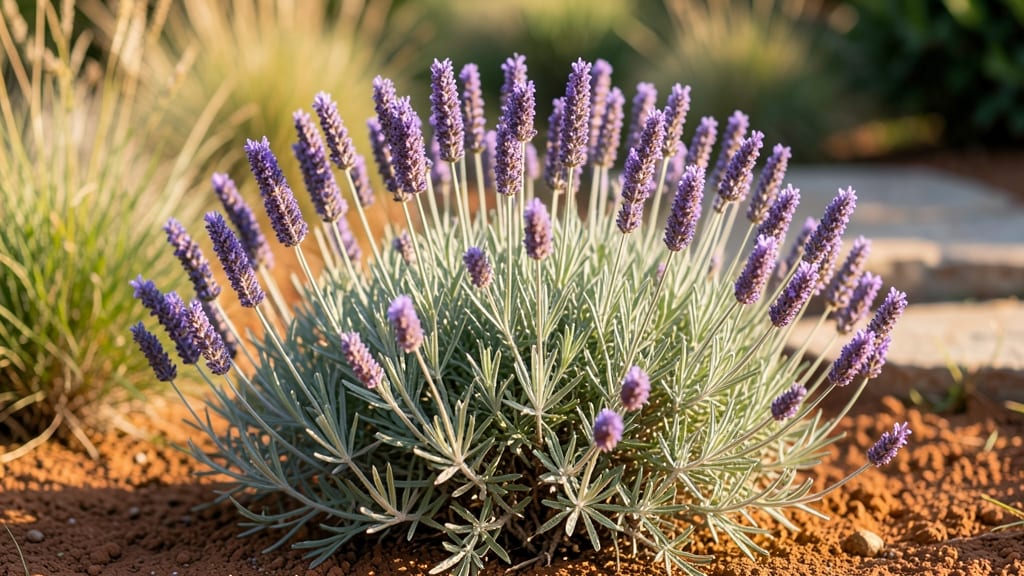
Growing the Spanish Eyes lavender plant is like having a fragrant purple masterpiece in your garden—its striking bicolor foliage and compact form make it a showstopper. 🌿 I fell for this variety after seeing how it thrives in containers, producing those signature lavender blooms with chartreuse leaves that pop against purple stems.
The secret lies in mimicking its natural Mediterranean habitat: well-draining soil, full sun, and minimal fuss once established.
This lavender loves 6+ hours of direct sunlight daily—morning sun is ideal to prevent scorching—and needs soil so dry it almost feels neglectful. Most gardeners overwater by default, but Spanish Eyes despises soggy roots.
A mix of 50% potting soil and 50% coarse sand or gravel keeps roots happy, while containers with drainage holes prevent rot. Prune lightly after blooming to maintain its compact shape, and watch it rebound with fresh growth.
What makes this variety special is how it doubles as a fragrance and foliage plant—the leaves release that signature lavender scent when brushed, and the flowers attract pollinators all season.
By late summer, you’ll have a bushy, aromatic plant that’s perfect for borders, window boxes, or even as a fragrant hedge. The key is patience: it takes a year to fully establish, but once it does, it’s nearly indestructible.
If you’re growing in containers, choose pots at least 12 inches wide to accommodate its root system, and refresh the soil every 2-3 years. Avoid fertilizing—lavender hates rich soil—and watch out for aphids, which can be wiped away with soapy water.
With the right care, your Spanish Eyes will reward you with years of color and fragrance, proving that even the fussiest plants can be easy once you know their secrets.
📚 In This Guide
- What you need
- Instructions
- Tips and common mistakes
- Wrapping up and next steps
What you need
- ● Spanish Eyes Lavender plant: 1 nursery-grown plant (6-12 inches tall) or seeds (if starting from scratch). Pro tip: 💡 Nursery plants bloom faster!
- ● Well-draining potting mix: 2-3 gallons of a cactus/succulent blend or 50% garden soil + 50% perlite/sand mix.
- ○ Container: 1 pot with drainage holes (12-18 inches in diameter and depth for mature growth). Optional: Terracotta or ceramic pots enhance drainage.
- ● Gravel or pebbles: 1-2 inches (for the pot’s bottom layer to improve drainage).
- ● Gloves: 1 pair (to protect hands from prickly stems).
- ● Trowel or small shovel: 1 (for planting and soil adjustments).
- ● Watering can or hose with a gentle nozzle: 1 (avoid overwatering!).
- ● Pruning shears: 1 pair (for shaping and deadheading).
- ● Sunlight access: Full sun (6+ hours daily) or bright indirect light (for indoor setups).
- ○ Optional: Slow-release fertilizer (like 10-10-10, 1 tbsp per plant).
- ● Mulch (gravel or decorative stones to retain moisture).
- ● Support stake (if growing tall varieties in windy areas).
Step-by-Step instructions for growing Spanish Eyes lavender in containers
This fragrant purple beauty thrives when you follow these precise container-growing steps.
🪴 Step 1: Choose the Perfect Container and Drainage
Spanish Eyes lavender needs excellent drainage—waterlogged roots will kill it within weeks. Select a 5-7 gallon container with multiple drainage holes (at least three). I recommend terra cotta pots because their porous walls help regulate moisture and prevent root rot. If using plastic, drill extra holes along the bottom edges to ensure excess water escapes immediately.
Place a 2-3 inch layer of coarse gravel or lava rock at the bottom before adding soil. This creates an air pocket that prevents compaction and allows roots to breathe. The container should have at least 12 inches of depth—lavender has a long taproot that needs room to establish. If using a wider pot, space multiple plants 18-24 inches apart to prevent competition.
🌱 Step 2: Prepare Well-Draining Soil Mix
Never use regular garden soil—it compacts and suffocates lavender roots. Instead, blend equal parts of cactus/succulent mix, perlite, and coarse sand for the perfect texture. I add 10% horticultural grit to improve aeration further. This mix should feel light and gritty when squeezed—it should crumble easily without sticking together.
Fill the container halfway with this blend, then tap gently to settle. Avoid compacting the soil too firmly—lavender roots need loose, airy conditions to thrive. Leave 2-3 inches of space at the top for watering. The soil should drain so quickly that water runs out the bottom holes within 1-2 minutes of watering.
☀️ Step 3: Plant and Position for Maximum Sunlight
Remove the lavender from its nursery pot and gently tease apart the roots if they're circling. Plant at the same depth it was growing before—burying too deep suffocates the stem. Place one plant per 5-7 gallon container (or two in larger pots with proper spacing). Press the soil lightly around the base to secure the plant, but don't pack it down tightly.
Spanish Eyes lavender demands full sun—at least 6-8 hours daily. A south-facing window or bright, sheltered outdoor spot works best. If growing indoors, supplement with a grow light positioned 6-12 inches above the plant for 14-16 hours daily. You'll know the light is sufficient when the leaves stay upright and deep green—yellowing or stretching means it needs more intensity.
💧 Step 4: Water Deeply but Infrequently
Water lavender only when the top 2 inches of soil feel completely dry—this usually means every 7-10 days in warm weather. Soak the soil until water runs freely from the drainage holes, then empty the saucer immediately. Wet leaves attract fungal diseases, so always water at the base. Overwatering is the #1 killer of container lavender—roots rot quickly in soggy conditions.
After the first year, established plants become drought-tolerant. You'll notice healthy lavender has silvery-gray foliage and woody stems—soft, green growth signals overwatering. In winter, reduce watering to once every 3-4 weeks unless temperatures drop below 20°F, when you should protect the plant from freeze damage.
✂️ Step 5: Prune and Maintain for Long-Lasting Blooms
Prune lavender right after flowering (typically mid-summer) to encourage bushier growth. Cut back one-third of the current year's growth using clean, sharp shears. Never prune into old wood—the plant won't recover. Shape the plant lightly to maintain its natural form, but avoid heavy trimming that exposes bare stems.
Fertilize only once annually in early spring with a low-nitrogen, balanced fertilizer (5-10-5 ratio). Too much nitrogen produces leafy growth at the expense of flowers. Deadhead spent blooms monthly to prolong flowering. Watch for aphids or spider mites—spray infested plants with neem oil if you spot sticky residue or webbing on the stems.
Tips & tricks for perfect Spanish Eyes lavender growth
Between us, these simple adjustments make all the difference for thriving Spanish Eyes lavender in containers.
Container Depth Matters: That 12-inch minimum depth in Step 1 is non-negotiable for lavender's long taproot. I've seen many gardeners use shallower pots and wonder why their plants struggle—lavender roots need vertical space to establish properly. If you're working with a wider container, maintain the same depth while spacing plants 18-24 inches apart to prevent root competition. The extra space also allows for better air circulation around the stems, reducing fungal risks.
Soil Mix Verification: When testing your soil mix in Step 2, squeeze a handful—it should crumble immediately without sticking together. I learned this the hard way after using a mix that was too fine and compacted. The 1-2 minute drainage test is crucial: if water pools longer than that, add more perlite or coarse sand to improve aeration. For extra insurance, I pre-moisten the soil mix before adding it to the container to prevent dry pockets around the roots.
Light Intensity Check: The 6-8 hours of sunlight in Step 3 is your baseline, but quality matters more than quantity. Place your container where leaves stay upright and deep green. If you notice stretching or pale leaves, you're dealing with insufficient light intensity. For indoor growers, position grow lights 6-12 inches above the plant and adjust height as the plant grows—closer for seedlings, further away as it matures. I've found LED grow lights with full-spectrum bulbs work exceptionally well for lavender.
Pruning Precision: That one-third trim in Step 5 should target only the current year's growth—never cut into old wood. I use clean, sharp shears and make cuts at a 45-degree angle just above a set of leaves. This technique promotes bushier growth while maintaining the plant's natural shape. After pruning, I always give the plant a light watering to help it recover from the stress of trimming.
Pro Tips for Spanish Eyes Lavender Plant
- Between us, these simple adjustments make all the difference for thriving Spanish Eyes lavender in containers.
- Container Depth Matters: That 12-inch minimum depth in Step 1 is non-negotiable for lavender's long taproot.
- Soil Mix Verification: When testing your soil mix in Step 2, squeeze a handful—it should crumble immediately without sticking together.
Frequently asked questions
1. How fast does Spanish Eyes Lavender grow, and when can I expect flowers?
Spanish Eyes Lavender grows at a moderate pace—about 6–12 inches per year. With proper care, you’ll see vibrant purple blooms in late spring to early summer (first year) and even more abundant flowers in subsequent years. Patience pays off—these plants reward consistency with long-lasting blooms!
2. How often should I water Spanish Eyes Lavender, and what’s the best method?
This drought-tolerant beauty thrives on infrequent, deep watering. Water once a week in summer (or when the top inch of soil is dry) and reduce to every 2–3 weeks in winter. Avoid overhead watering—water at the base to prevent fungal issues. Pro tip: Let the soil dry out completely between waterings!
3. Can Spanish Eyes Lavender survive in containers, and what’s the ideal pot size?
Spanish Eyes Lavender loves containers—just ensure the pot has drainage holes and is at least 12–18 inches deep. A 14–16 inch diameter works well for a single plant. Use a well-draining potting mix (like cactus/succulent blend) to mimic its Mediterranean roots.
4. What pests or diseases should I watch for, and how do I treat them?
Spanish Eyes Lavender is low-maintenance, but watch for aphids, spider mites, or root rot. Aphids? Spray with water or use neem oil. Spider mites? Increase humidity or wipe leaves with soapy water. Root rot? Prevent it with well-draining soil and avoid overwatering. Pro tip: Prune leggy stems to encourage bushiness and airflow!
5. Does Spanish Eyes Lavender need winter care, and how cold can it tolerate?
This hardy plant handles USDA Zones 5–9, surviving temps down to 15–20°F. In colder zones, mulch the base with gravel or straw to protect roots. In containers, move pots to a sheltered spot or wrap them in burlap. No fuss! It’ll bounce back in spring.
6. Can I grow Spanish Eyes Lavender from cuttings, and how?
Yes! Take 4–6 inch cuttings from healthy stems in spring or early summer. Remove lower leaves, dip in rooting hormone (optional), and plant in sandy soil. Keep moist (not soggy) and place in bright, indirect light. Roots should form in 4–6 weeks!
Wrapping up and next steps
Growing a Spanish Eyes lavender plant in containers is a rewarding way to bring fragrant purple blooms to your space—whether it’s a sunny patio, balcony, or windowsill.
With the right soil, sunlight, and care, this drought-tolerant beauty thrives while adding charm and a soothing aroma to your surroundings. Now that you’re equipped with the know-how, why not start your own lavender garden today?
- Ready to plant? Grab your supplies and follow the steps to nurture your lavender from seed or transplant.
- Need inspiration? Pair it with herbs or succulents for a stunning container combo!
Your fragrant oasis awaits—happy gardening! 🌿✨