
How To
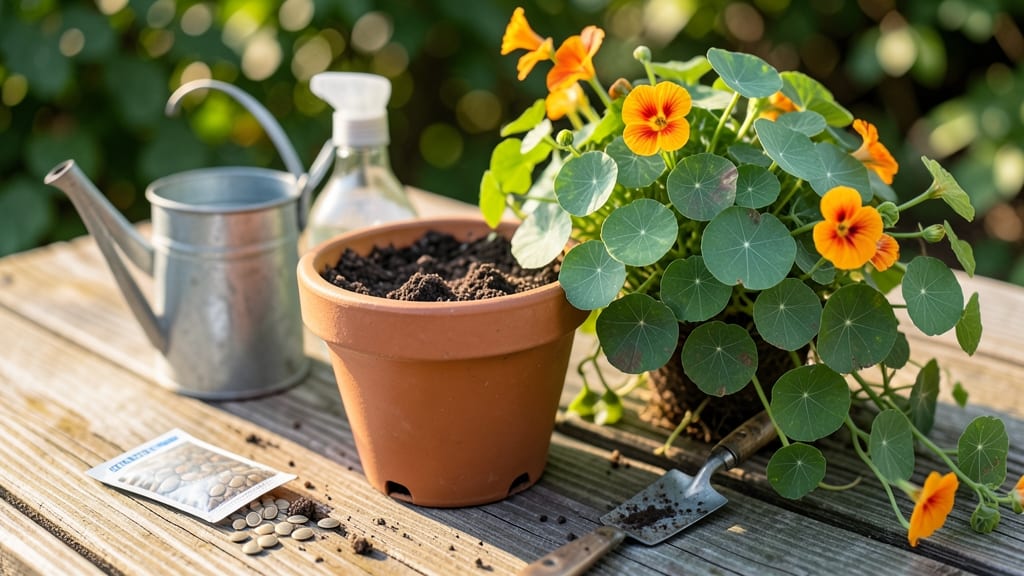
Planting 2-3 nasturtium seeds per pot is the sweet spot for bushy, blooming plants 🌸 — but get it wrong, and you’ll end up with leggy stems or wasted space.
Struggling to get your nasturtiums to bloom? The secret might be hiding in how you plant them—overcrowding or spacing too wide can stunt growth and reduce those vibrant flowers you love.
Nasturtiums thrive when given just enough room to spread their cheerful blooms without competing for nutrients. Too many seeds in one pot? You’ll get weak, spindly plants. Too few? You’ll miss out on the lush, full look you’re after.
Below, I’ll walk you through the perfect spacing for different pot sizes, when to thin seedlings, and how to avoid the most common mistakes that keep your nasturtiums from reaching their full potential.
Optimal nasturtium seed spacing by pot size: a gardener’s guide
Nasturtiums are one of my favorite container plants because they're fast-growing, edible, and packed with vibrant blooms. But getting those lush, bushy plants isn't just about throwing seeds in a pot—spacing matters.
Too close, and you'll get leggy, sparse growth. Too far apart, and you'll waste space. Let me show you the perfect spacing for every pot size to maximize your nasturtium's potential.
Nasturtium seeds are large and easy to handle, making them perfect for container gardening. The key is balancing seed density with root space—these plants hate crowded roots.
I've tested different spacing in my own garden, and the results speak for themselves: proper spacing leads to healthier plants, more flowers, and longer harvests.
Here's the golden rule: plant nasturtium seeds 1/4 to 1/2 inch deep and space them according to your pot size. The larger the pot, the more seeds you can plant—but never sacrifice root space for quantity.
Let's break down the perfect spacing for every container you might use, from tiny starter pots to sprawling hanging baskets.
For 4-inch pots, I recommend planting just 1-2 seeds—these are perfect for starting seeds indoors before transplanting. The tight spacing forces them to grow upward rather than sprawl, which actually helps create sturdier stems for later transplanting.
I've found that planting one seed in the center of a 4-inch pot gives the best results when moving to larger containers.
When you graduate to 6-inch pots, you can increase to 2-3 seeds spaced every 3 inches. This spacing gives each plant enough room to develop a compact root system while still allowing them to bush out nicely.
I like to plant these in a triangle formation—one seed in the center and two on opposite sides—to create a natural, balanced look.
My 8-10 inch pots become the sweet spot for single nasturtium plants. With 3-4 seeds spaced every 4-5 inches, you'll get a full, bushy plant that fills the container beautifully.
I always plant these at a 1/2 inch depth—just deep enough to protect the seed from birds but shallow enough for quick germination. This spacing also works perfectly for companion planting with herbs like basil or thyme.
For 12-inch pots, you can get ambitious with 4-5 seeds spaced every 6 inches. This creates a lush, multi-branched plant that will spill over the edges beautifully.
I've had great success using these larger pots for edible landscaping, placing them near patios where I can easily snip leaves for salads. The extra space also means you can mix in companion plants like marigolds or borage for added beauty and pest control.
Hanging baskets are where nasturtiums truly shine! With their trailing habit, they create stunning cascades of color. In a 12-14 inch basket, plant 5-7 seeds spaced every 3-4 inches near the edges.
The shallow planting depth of 1/4 inch helps the seeds germinate quickly, giving you a head start on that beautiful trailing effect. I always plant these in early spring so they have plenty of time to establish before summer heat arrives.
Remember, nasturtiums are self-seeding champions, so if you let a few flowers go to seed, you'll likely get volunteer plants next season.
Common mistakes when planting nasturtium seeds (and how to fix them)
Nasturtiums are one of my favorite edible flowers because they're easy to grow and packed with flavor. But even the hardiest gardeners make planting mistakes that lead to leggy stems, sparse blooms, or yellowing leaves.
The biggest culprit? Getting the seed spacing wrong. Too crowded, and your plants compete for nutrients; too sparse, and they stretch awkwardly toward the sun.
I’ve seen gardeners plant 3-4 seeds per pot thinking they’ll thin later, only to end up with weak, stunted plants. Or they space seeds too far apart, leaving empty gaps in their containers.
Nasturtiums thrive when given just enough room to breathe without fighting for space. Let’s fix these common mistakes before they ruin your harvest.
For 4-inch pots, plant 1-2 seeds max—any more leads to overcrowding and nutrient competition. In 5-6 inch pots, space seeds 2-3 inches apart. Larger containers (8+ inches) can handle 3-4 seeds spaced 3-4 inches apart. Hanging baskets need 1 seed per pocket or 2 inches between seeds.
One of the first signs you’ve overcrowded your nasturtiums is yellowing leaves at the base. This happens when plants can’t get enough nutrients or light because they’re too close together.
I’ve also noticed leggy stems reaching toward sunlight when seeds are spaced too far apart. Both issues reduce flower production—the exact reason we grow nasturtiums in the first place!
If you’ve already planted too many seeds, don’t panic. Start by thinning seedlings when they have 2-3 true leaves. Use clean scissors to snip unwanted plants at soil level, leaving the strongest stem.
For existing overcrowded pots, gently transplant seedlings into separate containers if possible. If not, remove the weakest stems immediately to give remaining plants room to grow.
For sparse planting, you can still salvage your nasturtiums by adding companion plants like bush beans or lettuce in the gaps. These fill space while providing benefits like nitrogen fixation.
If you’re starting fresh, mark your seed spacing with toothpicks or a pencil to avoid mistakes. A little planning now means bushier plants and more vibrant blooms all season long.
Remember, nasturtiums are self-seeding champions, so proper spacing now means fewer surprises later. With the right balance, you’ll enjoy abundant flowers and peppery leaves all summer—without the frustration of fixing mistakes. Happy planting!