
Planting
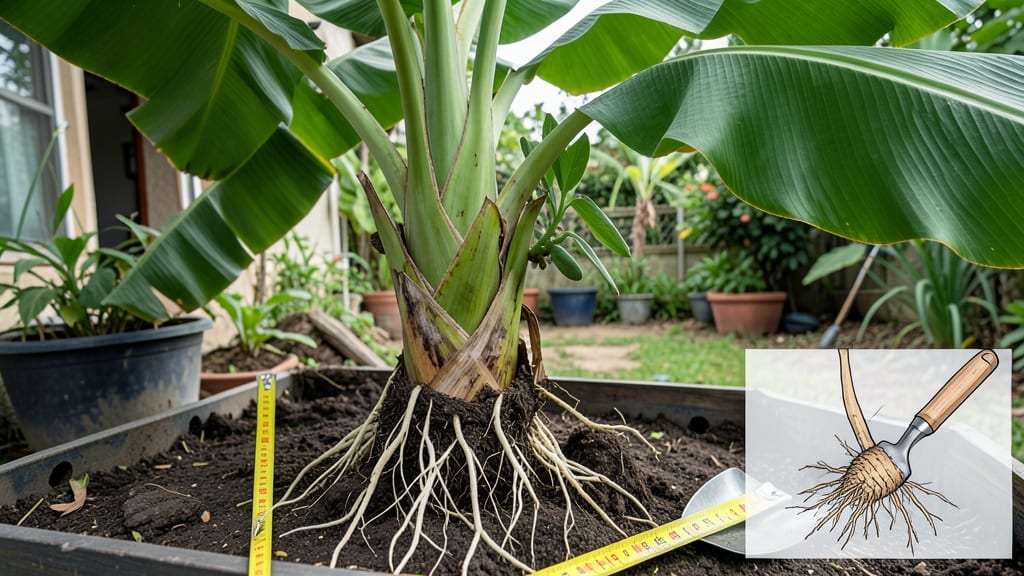
How deep banana roots grow is deeper than you might expect—typically 3 to 6 feet into the soil 🍌—and their depth directly impacts how well your plant thrives.
Did you know banana plants spread their roots deeper than most gardeners realize—and getting the spacing wrong can stunt growth or even kill your plant? Understanding root depth is the first step to growing bananas that thrive, whether in tropical climates or containers.
Too shallow, and your banana struggles to anchor itself, leading to weak stems and poor nutrient uptake. Too deep, and you risk compacting the soil, cutting off oxygen to those critical roots.
The key is finding that sweet spot where drainage meets depth, so your banana can send its roots down where they belong while keeping the soil loose and breathable.
In this guide, I’ll break down exactly how deep banana roots go, what factors influence their growth, and the simple spacing tricks that make all the difference between a struggling plant and a thriving one.
Banana root depth explained: how deep do they grow?
Banana plants develop one of the most extensive root systems among edible crops, with their primary roots stretching 3 to 6 feet deep into the soil. This deep network allows them to access water and nutrients from lower soil layers, especially in tropical climates where surface moisture evaporates quickly.
Understanding this depth helps prevent common mistakes like planting too shallow or crowding plants, which can lead to stunted growth or even plant death.
The root system consists of two main types: primary roots that grow vertically and secondary roots that spread horizontally. The primary roots anchor the plant and reach deep for stability, while secondary roots expand outward to absorb water and nutrients.
In ideal conditions, these roots can spread 3 to 4 feet wide, creating a dense network that supports the plant's massive foliage and fruit production.
Here’s a breakdown of banana root depth and how it varies by growing conditions:
| Root Type | Depth (Feet) | Spread (Feet) | Growing Conditions |
|---|---|---|---|
| Primary Roots | 3-6 | 0-1 | Deep, well-draining soil |
| Secondary Roots | 0-2 | 3-4 | Topsoil layer, nutrient-rich |
| Container Roots | 1-2 | 1-2 | Pots ≥20 gallons, well-draining |
In tropical climates, banana roots thrive in loose, sandy loam soils that allow them to penetrate deeply. For example, the Cavendish variety, commonly grown commercially, develops roots that reach 5 to 6 feet deep in tropical regions like Hawaii or Costa Rica.
This depth helps the plant survive dry spells by tapping into groundwater reserves. In contrast, dwarf banana varieties, such as the Red Dwarf, have slightly shallower roots, typically 2 to 4 feet deep, making them more adaptable to container growing or cooler microclimates.
Container-grown bananas face unique challenges because their root systems are restricted. In pots, roots rarely exceed 1 to 2 feet deep due to limited space, which is why 20-gallon or larger containers are recommended. Without enough depth, roots become root-bound, leading to poor nutrient uptake and stunted growth.
To compensate, use a well-draining potting mix enriched with compost and water regularly to mimic the moisture conditions of deeper soil.
Soil composition plays a critical role in root depth. Clay soils, which are dense and compact, can restrict root growth, forcing roots to grow horizontally rather than vertically. In such cases, amending the soil with organic matter like compost or coconut coir improves aeration and encourages deeper root penetration.
Sandy soils, on the other hand, allow roots to grow more freely but may require additional watering to prevent drought stress. Testing your soil’s drainage and pH levels (ideal range: 5.5 to 7.0) can help optimize root development.
Banana roots are also sensitive to temperature fluctuations. In cooler climates, like USDA Zone 9b, roots may grow more slowly and stay shallower to avoid frost damage.
If you’re growing bananas in containers in these zones, consider using insulated pots or moving them indoors during winter to protect the roots. Mulching around the base of the plant with straw or wood chips helps insulate the soil and maintain consistent temperatures, encouraging healthier root growth.
One common misconception is that banana roots grow quickly and aggressively, requiring minimal care. However, poor soil preparation or overcrowding can severely limit root depth and overall plant health.
For instance, planting bananas too close together (less than 5 feet apart) forces roots to compete for space, leading to shallow, weak root systems. Always follow spacing guidelines for your specific variety to ensure roots have room to expand both vertically and horizontally.
Monitoring your banana plant’s root health is easier than you think. Healthy roots contribute to vibrant green leaves and robust stem growth. If you notice yellowing leaves or slow growth, it could indicate shallow or damaged roots.
In such cases, gently loosen the soil around the base of the plant to encourage deeper root growth or consider repotting if growing in containers. Regularly fertilizing with potassium-rich nutrients also supports root development and overall plant vigor.
Understanding banana root depth isn’t just about planting deeper—it’s about creating the right conditions for your plant to thrive. Whether you’re growing bananas in a tropical garden or a sunny container on your patio, paying attention to root depth ensures your plant stays healthy, productive, and resilient.
With the right soil, spacing, and care, your banana plant’s roots will reach their full potential, setting the stage for a bountiful harvest. 🌱
Optimal planting depth and spacing for banana roots
Banana plants aren’t picky about soil, but they are very particular about planting depth and spacing. Unlike shallow-rooted veggies, bananas develop a robust root system that spreads both deep and wide.
When planted too shallow, their roots suffocate; too deep, and they rot. The key? Mimicking their natural tropical habitat where roots thrive in well-aerated, loose soil.
For most banana varieties, the rhizome (the thick, horizontal stem) should sit just 2-3 inches below soil level. This ensures stability while allowing roots to access moisture and nutrients.
In containers, this means partial burial—never fully submerged. If you’re growing succulent varieties like Red Dacca, they tolerate slightly shallower planting, but even then, 3 inches deep is ideal.
- 1. Plant rhizomes 2-3 inches deep – This prevents rot while allowing roots to expand downward.
- 2. Space plants 5-10 feet apart – Tropical varieties like Cavendish need room to avoid root competition.
- 3. Use 20+ gallon pots for containers – Smaller pots restrict root growth and stunt the plant.
- 4. Loosen soil 12-18 inches deep – Banana roots need deep, aerated soil to thrive.
- 5. Mulch 3-4 inches around the base – Retains moisture and regulates soil temperature.
Spacing is just as critical as depth. In-ground bananas need 5-10 feet between plants to prevent overcrowding, which leads to disease and poor fruit production.
If you’re growing multiple plants in a small garden, consider trellising or dwarf varieties like Lady Finger, which tolerate closer spacing (3-4 feet). In containers, opt for at least a 20-gallon pot—smaller pots limit root growth and reduce yields.
One common mistake I see is planting banana too close to trees or structures. Their roots spread aggressively, and competition for water and nutrients can weaken your plant. If you’re in a small urban garden, choose container-friendly varieties like Dwarf Cavendish and prune suckers regularly to control spread.
Always plant in well-draining soil—bananas hate soggy roots!
For container growers, drill drainage holes in the bottom of pots and use a lightweight potting mix with perlite or coconut coir. Avoid heavy garden soil, which compacts and suffocates roots.
If you notice yellowing leaves or stunted growth, it’s often a sign of root-bound conditions—time to upgrade your pot or divide the plant.
Remember, banana roots are sensitive to disturbances once established. After planting, water deeply to encourage root growth, then maintain consistent moisture without waterlogging. With the right depth and spacing, your banana plant will reward you with lush foliage and abundant fruit—just like in the tropics! 🍌