
Planting
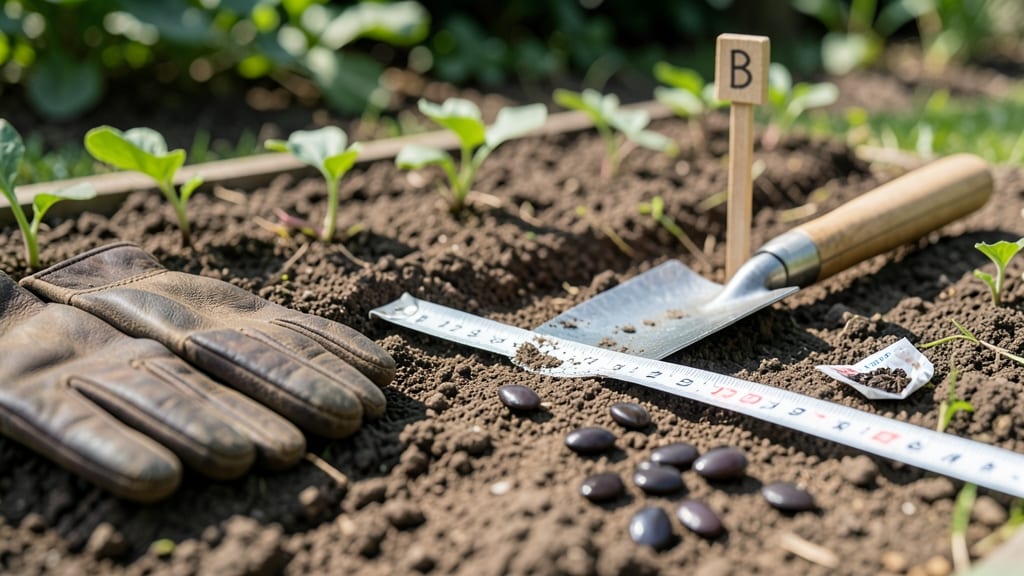
To plant beetroot properly, how far apart should beetroot be planted—space them 2–4 inches apart for round varieties and 4–6 inches apart for larger types—the right distance keeps roots plump and pests away.
Struggling to grow plump, pest-free beetroots? The secret might be hiding in your planting distance—get it wrong, and you’ll end up with stunted roots or a garden overrun by leaf miners.
Beetroot 🍠 thrives when given room to spread, but too much space wastes precious garden real estate. The key is balancing crowd control with root development, especially in USDA Zone 6a where spring planting kicks off in April.
Below, I’ll break down the exact spacing rules for your variety, how to adjust for soil type, and the 3 most common spacing mistakes that sabotage harvests.
Ideal beetroot planting distance: spacing rules for different varieties
Getting your beetroot spacing right is the difference between harvesting plump, sweet roots and struggling with stunted growth or pest-infested leaves. Beetroots come in three main varieties—round, long, and baby types—each with unique spacing needs.
Crowding stresses plants, leaving them vulnerable to leaf miners and root rot, while spacing them too far wastes garden space. Let’s break down the ideal planting distances for each type and why they matter.
Proper spacing ensures even sunlight exposure and root development, preventing competition for nutrients. For example, round beet varieties like Detroit Dark Red need more elbow room than baby beets like Babybeat, which are harvested small.
Even row spacing plays a role—packing rows too tightly can lead to overcrowded foliage, making it harder to spot early signs of pests or disease. Let’s dive into the specifics so you can plan your garden layout like a pro.
| Variety | Plant Spacing (inches) | Row Spacing (inches) | Notes |
|---|---|---|---|
| Round (e.g., Detroit Dark Red) | 3-4 inches | 12-18 inches | Larger roots need space to expand; thin seedlings to prevent overcrowding. |
| Long (e.g., Chioggia, Golden) | 4-6 inches | 14-20 inches | Elongated roots benefit from extra depth; avoid compacted soil. |
| Baby (e.g., Babybeat, Little Ball) | 2-3 inches | 10-12 inches | Harvested young; closer spacing works for quick turnover. |
| All Varieties (Container) | 2-3 inches | N/A (use deep pots) | Ensure pots are at least 6 inches deep for root growth. |
For round beet varieties, like the classic Detroit Dark Red, aim for 3-4 inches apart in rows spaced 12-18 inches apart. This gives roots room to swell without competing for soil nutrients.
If you’re growing long varieties such as Chioggia or Golden, increase spacing to 4-6 inches apart with 14-20 inches between rows. Their elongated shapes need extra depth and lateral space to avoid deformities.
When planting baby beets, like Babybeat or Little Ball, you can get away with 2-3 inches apart in rows 10-12 inches apart. These varieties are harvested young, so tighter spacing works well for quick succession planting.
Just remember to thin seedlings early to avoid leaf competition, which can lead to pale, spindly roots.
If you’re growing beetroots in containers, maintain 2-3 inches apart but ensure your pots are at least 6 inches deep. Shallow containers restrict root growth, leading to small, woody beets.
Use a well-draining soil mix with added compost to keep roots happy in confined spaces. Containers also make it easier to monitor moisture levels and pest activity.
Overcrowding doesn’t just stunt root growth—it also creates the perfect conditions for leaf miners and fungal diseases. When plants are packed too closely, humidity lingers between leaves, and airflow is restricted, making it harder for foliage to dry quickly after watering.
This moisture trap invites powdery mildew and rust, which can ruin your harvest. Proper spacing improves air circulation and reduces these risks.
Another key factor is soil fertility. Beetroots are heavy feeders, and crowded plants will deplete nutrients faster in a small area. To combat this, mix in compost or aged manure before planting and consider side-dressing with compost halfway through the growing season.
This ensures your beets have the phosphorus and potassium they need for root development.
For succession planting, use the tighter spacing of 2-3 inches for baby beets and stagger plantings every 2-3 weeks to extend your harvest. This method works especially well in small gardens or urban containers, where space is limited.
Just be sure to thin seedlings promptly—once they reach 2 inches tall, use scissors to snip unwanted sprouts at soil level to avoid disturbing roots.
Finally, don’t forget that beet greens are edible too! If you’re growing beets for their leaves as well as roots, you can space them slightly closer—around
How to adjust beetroot spacing for soil type and climate
Your beetroot spacing isn't one-size-fits-all—soil type and climate dramatically change what works best. In sandy soil, roots spread faster, while clay soil slows growth, requiring tighter spacing. Meanwhile, humid climates demand wider gaps to prevent fungal diseases, while dry regions need closer planting to conserve moisture.
Let's break down the adjustments you need to make for your specific growing conditions.
For container gardening, spacing becomes even more critical since roots compete fiercely for nutrients in limited space. I’ve grown beetroots in pots as small as 12 inches wide, but only by thinning seedlings aggressively and using high-quality potting mix.
The key is balancing root size with foliage growth—too much competition means small, tough roots instead of the plump harvest you’re after.
Here’s how to tweak your beetroot spacing based on your garden’s unique conditions:
Pro tip: If you’re growing long varieties like Chicago Lights, give them an extra inch of space—their roots need room to elongate without bending. For round varieties like Detroit Dark Red, stick to the tighter end of the spacing range to maximize yield per square foot.
Adjusting spacing isn’t just about yield—it’s about root quality. Overcrowded beets develop hard, woody textures and attract more pests like leaf miners. Meanwhile, over-spaced plants waste garden real estate. Aim for 2–3 inches between seedlings after thinning, and watch your harvest improve dramatically.
Finally, don’t forget to mulch heavily in dry climates to lock in moisture and reduce the need for wider spacing. A 2-inch layer of straw or shredded leaves can mean the difference between a thriving patch and a struggling one.