
Planting
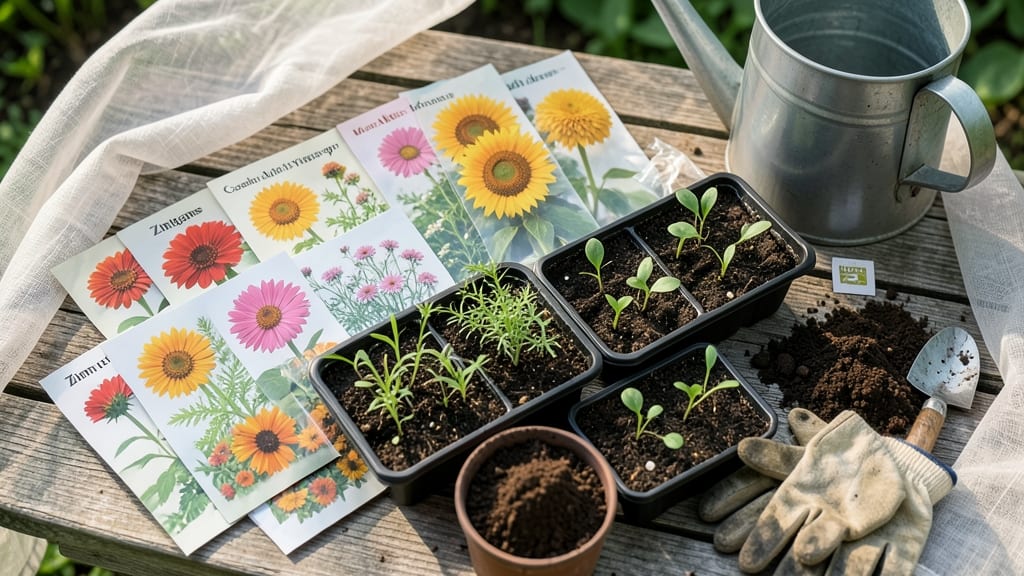
Zone 5 gardeners finally have flower seeds that refuse to surrender to frost. 🌱 After years of struggling with short seasons, I’ve narrowed down the cold-hardy varieties that not only survive but thrive—from early spring blooms to late-fall color.
The key? Choosing plants that handle our 20-30°F winters and still burst into color when others give up.
Marigolds and pansies are the unsung heroes—direct-sow marigolds in early May for summer-long blooms, while pansies handle fall and even light frosts. For perennials, coneflowers and black-eyed Susans return year after year, their deep roots anchoring them through harsh winters.
The trick is fall planting for spring blooms—sow seeds in September for a jumpstart on next year’s garden.
You’ll end up with a garden that stays vibrant from April through October, even in Zone 5’s unpredictable swings. The soil stays loose and well-draining, sunlight gets maximized, and spacing keeps plants from competing. No more barren patches or wasted seed packets—just reliable, year-round interest with minimal fuss.
Perfect for first-timers and seasoned gardeners alike, these varieties adapt to partial shade or full sun, and most handle our 100+ days of frost-free growing like pros. Let’s get those seeds in the ground—and keep the blooms coming, frost or no frost.
📚 In This Guide
- What you need
- Instructions
- Tips and common mistakes
- Wrapping up and next steps
What you need
- ● Flower seeds (Zone 5-hardy varieties like Black-eyed Susans, Coneflowers, or Russian Sage—check the packet for cold tolerance ratings!).
- ● Seed trays or biodegradable pots (10–20 count, 2–3" deep) for starting indoors or direct sowing.
- ● Seed-starting mix (sterile, lightweight potting soil—avoid garden soil!).
- ● Grow lights or a sunny windowsill (if starting indoors; 6–8 hours of light/day is ideal).
- ● Plastic domes or clear plastic wrap (to retain moisture while seeds germinate).
- ● Gloves (gardening or nitrile—Zone 5 soil can be brisk!).
- ● Hand trowel or small shovel (for transplanting seedlings).
- ● Watering can with a fine rose nozzle (gentle watering prevents seed washout).
- ● Plant labels & markers (to track varieties and planting dates).
- ○ Row cover or frost cloth (optional but helpful for late frosts).
- ● Know your last frost date (typically April–May in Zone 5—check local averages!).
- ● Sunlight assessment: Most Zone 5 flowers need 6+ hours of sun/day.
- ○ Soil test kit (optional but recommended—Zone 5 soil can be heavy; aim for pH 6.0–7.0).
- ● Patience! Cold-hardy seeds may take 10–30 days to germinate.
Step-by-step guide to planting cold-hardy flower seeds in Zone 5
Zone 5’s chilly springs and frosty falls call for flowers that tough it out—here’s how to plant them successfully.
🌱 Step 1: Choose the Right Timing for Your Climate
In Zone 5, the window for direct sowing is tight—aim for 2-4 weeks before your last frost date (typically mid-April in most areas). I test soil temperature with a probe; seeds like snapdragons and larkspur need soil at 45-55°F to germinate reliably. If your spring is unpredictable, start annuals indoors 6-8 weeks earlier using the same seed-starting mix you’d use for veggies.
For perennials like coneflowers or black-eyed Susans, sow seeds directly in late summer instead—heat and moisture will stratify them naturally, giving stronger roots before winter. Mark your calendar for August 15-30 as your target. Real talk: If you plant too early and hit a cold snap, seeds will rot in the ground.
☀️ Step 2: Prepare the Soil for Maximum Germination
Zone 5 soil can be heavy and compacted after winter, so loosen the top 6 inches with a garden fork or tiller. Mix in 2-3 inches of compost to improve drainage and nutrient content—this is non-negotiable for cold-hardy flowers, which need energy to establish before frost. I sift the soil to remove clumps, then rake it smooth for even seed distribution.
For containers, fill pots with a lightweight seed-starting mix (never garden soil) and water until it’s damp but not soggy. The key here is aeration—cold, dense soil smothers seeds. If your yard has poor drainage, add a 1-inch layer of perlite or coarse sand to the bottom of holes before planting. You’ll see better germination rates when the soil stays cool but never waterlogged.
🌿 Step 3: Sow Seeds at the Correct Depth and Spacing
Most cold-hardy annuals and perennials should go in ¼ to ½ inch deep, depending on their size. Tiny seeds like larkspur only need a light press into the soil, while larger seeds like hollyhocks can go deeper. I use a stick to poke holes in rows, drop seeds in, then cover with a fine spray of water—this prevents burying them too deep.
Space seeds according to their mature size: 6 inches apart for annuals (like sweet peas) and 12-18 inches for perennials (like coneflowers). Crowding weakens plants and spreads disease. Label each row immediately—Zone 5’s short growing season means you won’t remember which variety is which by summer!
💧 Step 4: Water and Protect Until Germination
Keep the soil consistently moist but never soggy—use a fine mist setting on your hose or a watering can with a rose attachment. A 1-inch layer of mulch (straw or shredded leaves) helps retain moisture and insulate seeds from temperature swings. Check daily; seeds need steady dampness to germinate, but standing water invites rot.
If frost threatens within 7-10 days of sowing, cover seedlings with row fabric or a cloche until they’re established. You’ll know they’re ready when first true leaves appear (not the initial seed leaves). Here’s the thing—cold-hardy flowers can handle light frost, but young seedlings won’t survive a hard freeze.
✂️ Step 5: Thin and Maintain for Long-Term Success
Once seedlings have 2-3 sets of true leaves, thin to the strongest plant per spot—use scissors to snip at soil level to avoid disturbing roots. This reduces competition and gives remaining plants room to thrive. For perennials, thinning now ensures they’ll rebound stronger after winter.
Fertilize lightly with a balanced 10-10-10 formula when flowers first bloom to encourage repeat blooming. Zone 5’s short season demands efficiency—mulch again in early fall to protect roots from freeze-thaw cycles. You’ll see these flowers return year after year with minimal effort, proving that cold-hardy varieties are worth the patience.
Tips & tricks for planting cold-hardy flower seeds in Zone 5
These practical insights will help you maximize your success with resilient flowers that defy Zone 5's unpredictable climate.
Timing is Everything: The 2-4 week window before your last frost date is critical—don't rush it. Use a soil thermometer to confirm temperatures between 45-55°F. I've learned the hard way that planting too early when soil is still cold can cause seeds to rot before they even germinate. For annuals, starting indoors 6-8 weeks early gives them a head start, especially if your spring is unpredictable. Mark your calendar for August 15-30 for perennials to take advantage of natural stratification from summer heat.
Soil Preparation Secrets: That 2-3 inches of compost isn't just about nutrients—it's about creating the perfect environment for cold-hardy seeds. I mix in a handful of perlite or coarse sand if my soil drains poorly, which makes all the difference for seeds that need aeration to germinate properly. For containers, never use garden soil—stick with lightweight seed-starting mix that stays loose and well-draining. The key is keeping soil cool but never waterlogged, which is especially important in Zone 5's variable weather.
Depth and Spacing Precision: The ¼ to ½ inch depth guideline might seem simple, but it's crucial for cold-hardy varieties. Tiny seeds like larkspur need just a light press, while hollyhocks can handle deeper planting. I use a chopstick to make planting holes—it gives me perfect consistency without compacting the soil. When spacing, remember that crowded plants compete for nutrients and become more susceptible to disease. The 6-inch spacing for annuals and 12-18 inches for perennials gives them room to establish strong root systems before winter sets in.
Frost Protection Strategy: That 7-10 day frost window is when young seedlings are most vulnerable. I keep row fabric or cloches handy to protect them when frost threatens. The first true leaves are your signal that seedlings are ready to handle light frosts, but they still need protection from hard freezes. Mulching with straw or leaves creates an insulating blanket that helps regulate soil temperature and retain moisture during those critical early weeks.
Pro Tips for Flower Seeds For Zone 5
- These practical insights will help you maximize your success with resilient flowers that defy Zone 5's unpredictable climate.
- Timing is Everything: The 2-4 week window before your last frost date is critical—don't rush it.
- Soil Preparation Secrets: That 2-3 inches of compost isn't just about nutrients—it's about creating the perfect environment for cold-hardy seeds.
Frequently asked questions
Got questions about growing flower seeds in Zone 5? You’re not alone! Here are some of the most common concerns—and straightforward answers—to help you succeed.
What’s the best time to plant flower seeds in Zone 5?
For cool-season flowers (like pansies or snapdragons), start seeds 4–6 weeks before your last frost date (typically late March to early April in Zone 5). Warm-season blooms (e.g., marigolds or zinnias) should wait until after the soil warms to 60°F+ (usually May or June). Always check your local frost dates!
Can I plant flower seeds in late summer for fall blooms?
Many flowers—like cosmos, sunflowers, or asters—thrive when sown in late July or August. These varieties tolerate cooler temps and often bloom into early frost. Just ensure seeds have 6–8 weeks to germinate before the first freeze.
Are there affordable flower seeds for Zone 5?
Yes! Look for heirloom or open-pollinated seeds from budget-friendly sources like Baker Creek Heirloom Seeds, Burpee, or local nurseries. Perennial seeds (e.g., coneflowers or black-eyed Susans) may cost more upfront but save money long-term by returning yearly.
Why aren’t my Zone 5 flower seeds germinating?
Check these fixes:
- Soil temp: Use a seedling heat mat if soil is <60°F.
- Moisture: Keep soil consistently damp (not soggy).
- Depth: Tiny seeds need light—press them into soil (don’t bury).
- Age: Old seeds (2+ years) may fail—test viability or buy fresh.
What are the hardiest annual flowers for Zone 5 winters?
While most annuals die back, these cold-tolerant picks may survive mild winters or reseed:
- Sweet alyssum (Zone 5–10)
- Calendula (Zone 3–10)
- Larkspur (Zone 3–9)
- Stock (Matthiola) (Zone 4–9)
Wrapping up and next steps
Growing flower seeds for Zone 5 is a rewarding way to bring color and life to your garden, even in colder climates! With the right cold-hardy varieties—like Black-Eyed Susans, Coneflowers, and Marigolds—you can enjoy vibrant blooms year-round.
Whether you're a beginner or a seasoned gardener, these resilient plants make it easy to create a stunning outdoor space.
Now that you’re armed with the best seeds and tips, take the next step—plan your planting schedule, prep your soil, and watch your garden flourish! 🌸 Happy gardening! 🌱