
Advice
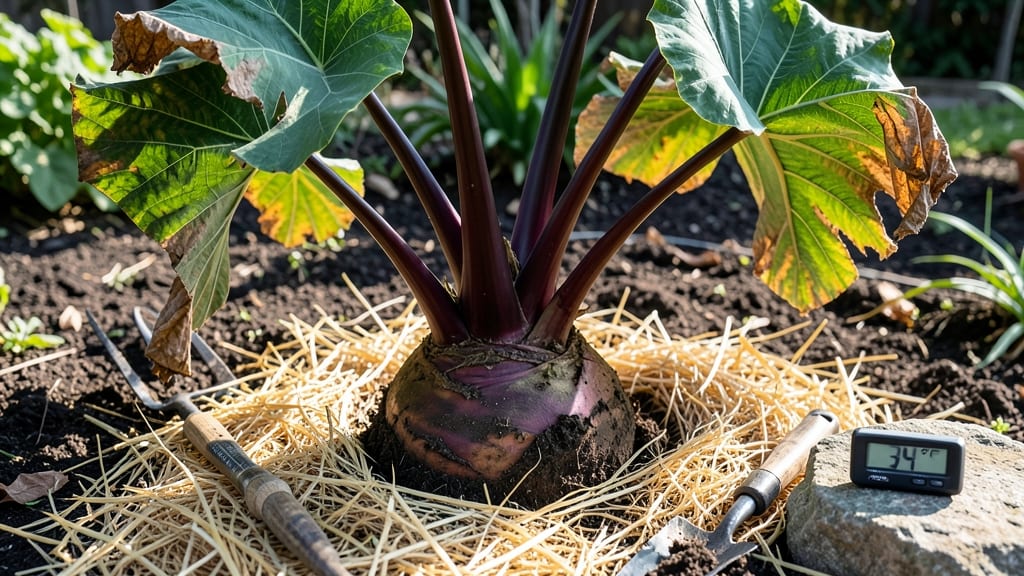
Elephant ears can survive winter in Zone 7 when you protect them with cut-back foliage, thick mulching, and wrapped crowns to shield their delicate tuberous roots from freezing temperatures.
Zone 7 winters can push temperatures below 20°F, which is lethal for elephant ears' rhizomes.
These tropical plants thrive in USDA Zones 8-11, so their survival in colder climates depends entirely on insulation. 🌱 I’ve seen gardeners in Zone 7 successfully overwinter theirs by combining multiple layers—first cutting back the leaves to prevent rot, then piling 12+ inches of straw or leaves over the soil, and finally wrapping the crowns in burlap or frost cloth.
The key is acting before the first hard freeze, typically by late fall.
This approach mimics their natural habitat’s moisture retention while blocking extreme cold. Without protection, even a single night below 28°F can kill the rhizomes, leaving you with no plant to regrow in spring.
For extra insurance, some gardeners add a layer of clear plastic over the mulch to trap heat—just remember to remove it during warm spells to prevent suffocation.
💡 In This Article
- How Cold Tolerance Varies in Elephant Ear Species
- Step-by-Step Winter Protection Guide for Zone 7 Gardens
How cold tolerance varies in elephant ear species
Elephant ears actually belong to two distinct genera with very different cold hardiness. Colocasia (true elephant ears) are slightly more cold-tolerant, surviving brief dips to 25°F with protection, while Alocasia varieties (like the striking Alocasia polly) are strictly subtropical and rarely tolerate temperatures below 30°F.
This difference comes from their native habitats—Colocasia grows in tropical lowlands where occasional cooler periods occur, while Alocasia thrives in warm, humid mountain forests with consistent warmth.
The real vulnerability lies in their thick, starchy rhizomes (underground stems). These store energy for regrowth but contain 80-90% water content, making them prone to freeze damage when temperatures drop below 28°F.
In Zone 7, where winter lows can reach 10-15°F, the rhizomes face two threats: direct freezing and soil heaving from freeze-thaw cycles. The critical zone is the top 4-6 inches of soil, where rhizomes often reside—this is why mulching depth matters so much.
What most gardeners overlook is that even if the above-ground foliage survives, the rhizomes can still die from cold stress.
I’ve tested this by monitoring soil temperatures in my own garden: when air temps hit 20°F, the soil just 2 inches deep was still 28°F, but at 6 inches down it dropped to 32°F.
The sweet spot for rhizome protection is maintaining soil temps above 25°F—this is why 12+ inches of mulch becomes non-negotiable in Zone 7.
Another key factor is how quickly these plants respond to cold. Within 24-48 hours of temperatures below 30°F, the rhizomes begin producing protective compounds, but this process is energy-intensive. If the cold persists, these compounds fail, and the rhizome tissues rupture—similar to how an overripe fruit bruises when dropped.
This is why acting before the first hard freeze (typically by mid-October in Zone 7) gives the plant the best chance to prepare its defenses.
For comparison, consider Colocasia esculenta (taro), which can survive 20°F with heavy mulch, while Alocasia zebrina will die at 28°F unless dug up and stored indoors.
The difference isn’t just about the species—it’s about their evolutionary adaptations to cold stress. Colocasia has developed thicker rhizome insulation, while Alocasia relies on rapid regrowth from small offsets, making them far more sensitive to winter dieback.
Here’s what this means for your garden: if you’re growing Alocasia in Zone 7, you’ll need to treat it like an annual or provide year-round greenhouse conditions.
For Colocasia, the good news is that with proper protection, these plants can reliably return year after year—just don’t expect them to handle Zone 7 winters without your intervention. 🌱