
Planting
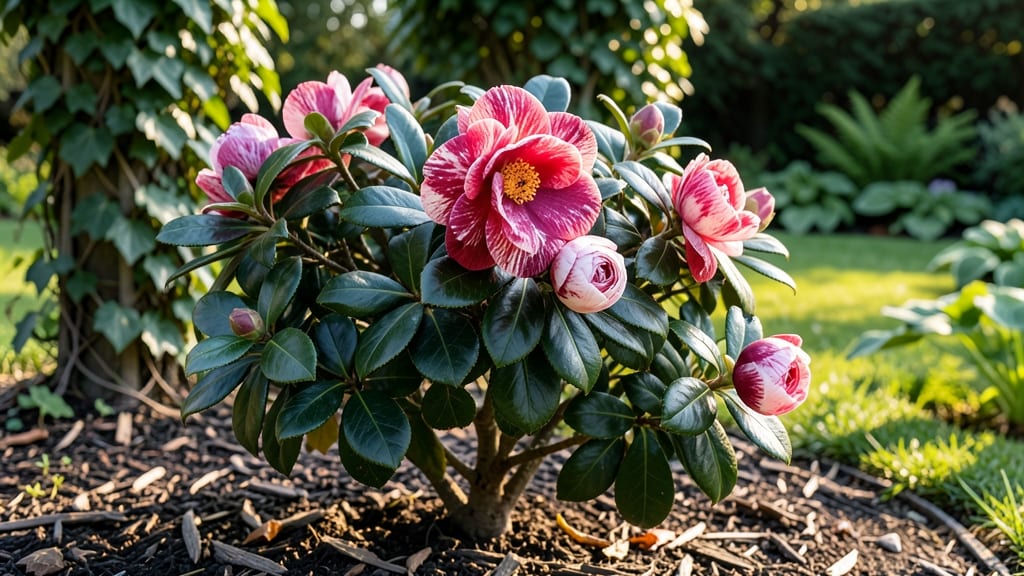
Cold-hardy camellias thrive where winter chill doesn’t freeze them to death—Camellia japonica zone 7 and warmer is where they truly shine. 🌿 I’ve watched my own plants push through snow in zone 7b, their glossy leaves unfurling just as spring arrives, proving they’re tougher than most gardeners give them credit for.
The secret isn’t just the zone number, though—it’s understanding how microclimates, soil warmth, and winter care can push their limits even further north.
Zone 7 is the sweet spot for classic varieties like ‘Desire’ and ‘Yuletide,’ but with the right winter protection—mulch, burlap wraps, or even a mini greenhouse—you can coax them to survive in zone 6a with consistent care.
The key is mimicking their natural habitat: acidic, well-draining soil rich in organic matter, and morning sun with afternoon shade to prevent leaf scorch. My zone 7 garden’s camellias drink deeply in summer but barely need water in winter, thanks to that thick mulch layer.
What you’ll end up with are bold, glossy blooms from late fall through spring, turning your garden into a living painting. The flowers themselves—velvet petals in shades of pink, red, and white—stand out against winter’s bare branches, offering color when most plants are dormant.
And because camellias are evergreen, they add structure and year-round interest, even in colder zones with the right varieties.
Marginal zones? No problem. I’ve seen gardeners in zone 6a grow camellias by planting them against south-facing walls or under evergreen trees for extra winter shelter. The trick is protecting the roots—they’re the most vulnerable part—and giving them a head start in spring with a little extra warmth.
With these adjustments, you can enjoy camellias’ legendary beauty even where winters bite.
📚 In This Guide
- What you need
- Instructions
- Tips and common mistakes
- Wrapping up and next steps
What you need
- ● Camellia japonica plants: Choose cold-hardy varieties like 'Winter’s Star' or 'White Swan' (zones 6-9). Buy 3–5 mature plants (3–5 gallons each) for a full, layered look.
- ● High-quality acidic soil: 5–10 bags (50 lbs each) of peat moss or pine bark fines to amend clay or alkaline soil (pH 5.0–6.0).
- ● Organic mulch: 2–3 cubic yards of pine bark or pine needles to retain moisture and protect roots.
- ● Slow-release fertilizer: 1–2 lbs of acid-loving plant fertilizer (e.g., 8-3-6 or 10-10-10 with micronutrients).
- ○ Container growing (optional): 2–3 large pots (15+ gallons) with drainage holes if planting in containers.
- ● Garden tools: Trench shovel or spade
- ● Garden trowel (for amending soil)
- ● Pruning shears (sterilized)
- ● Gloves (heavy-duty for handling bark)
- ○ Soil test kit: Optional but recommended to check pH before planting.
- ● Winter protection (zones 6–7): Burlap or frost cloth (for young plants)
- ● Evergreen boughs (for mulching in extreme cold)
- ● Drip irrigation or soaker hose: 50+ feet to ensure consistent moisture (camellias hate soggy roots but need steady water).
How to select and plant cold-hardy Camellia japonica varieties
Here's how I choose resilient varieties and prepare them for winter success—no more losing your prized camellias to frost.
🌿 Step 1: Identify Your Hardiness Zone and Suitable Varieties
Camellias thrive best in USDA Zones 7-9, but some cold-hardy cultivars extend their range to Zone 6 with proper care. Research varieties like 'Winter's Star' or 'Korean Collection'—these hybrids handle 10-15°F dips without leaf burn. Check your local frost dates; late spring bloomers (like 'Nuccio's Pearl') need protection in colder zones.
I always verify a plant's cold tolerance by cross-referencing nursery tags with the American Camellia Society's zone maps. A Zone 7 camellia in a sheltered microclimate might survive Zone 6 winters, but full exposure risks winter dieback. Observe your garden's frost pockets—north-facing walls or low spots collect cold air and stress plants more.
☀️ Step 2: Choose the Right Planting Location for Winter Protection
Plant your camellia in partial shade (morning sun, afternoon shade) to reduce winter stress. Full sun scorches leaves in winter, while too much shade weakens blooms. I dig a hole twice as wide as the root ball but only as deep—planting too deep suffocates roots. Amend the native soil with 3 inches of compost mixed into the bottom of the hole.
Elevate the root ball slightly above ground level to prevent waterlogging during winter rains. Mulch with 3-4 inches of shredded bark (not leaves or grass clippings) to insulate roots. Keep mulch 6 inches away from the trunk to avoid rot. In Zone 6, I add a burlap windbreak on the north side to block drying winds.
✂️ Step 3: Prune and Prepare for Winter Dormancy
Prune right after blooming (late spring) to shape the plant and remove dead wood. Never prune in fall—new growth won't harden off before winter. I use clean, sharp shears to cut just above a bud or leaf node, never leaving stubs. Thin out crowded branches to improve airflow and reduce disease risk.
In Zone 6, I wrap young camellias in burlap after the first frost to protect tender stems. Older plants handle cold better but still benefit from a thick layer of mulch over the root zone. Avoid fertilizing in fall—new growth weakens before winter. Instead, apply a slow-release fertilizer in early spring to fuel new growth.
⏰ Step 4: Monitor and Protect During Frost Events
Watch for blackened leaves or wilting—signs of frost damage. In Zone 6, I drape frost cloth over the plant during hard freezes (below 20°F). Remove it during the day to prevent overheating. Never use plastic sheeting; it traps moisture and causes rot. Water deeply before the first hard freeze to hydrate roots, but avoid soggy soil.
After winter, inspect for brown leaf edges (normal) or blackened stems (severe damage). Prune dead branches in early spring. If your camellia loses all leaves, don't panic—it's dormant. New growth will emerge once temperatures stay above 40°F for a week. I always mark the plant's location with a stake to avoid disturbing roots during spring cleanup.
Tips & tricks for cold-hardy Camellia japonica success
Between us, these tricks will help your camellias thrive through winter without the guesswork. I've learned these the hard way after watching plants struggle in colder climates.
Variety Selection Wisdom: When selecting cold-hardy varieties like 'Winter's Star' or 'Korean Collection', always check the American Camellia Society's zone maps—they show which cultivars handle 10-15°F temperatures best. I've found that even within Zone 6, microclimates matter: a south-facing wall can add 5°F of protection compared to open exposure. Look for labels specifying "Zone 6 tolerant" rather than just "Zone 7" recommendations.
Planting Depth Secret: The instructions mention planting at the same depth as the root ball, but here's what nobody tells you—elevate the root ball 1 inch above ground level in heavy clay soils. This prevents waterlogging during winter thaws, which can suffocate roots. I've seen plants with perfect root balls planted too deep literally drown in their own holes during December rains.
Mulching Mastery: That 3-4 inches of shredded bark mulch isn't just decoration—it's insulation. For Zone 6 gardens, I double the mulch thickness (to 6 inches) around established plants, but keep it 6 inches away from the trunk to prevent rot. In my experience, the difference between mulched and unmulched plants in a 20°F freeze is like night and day—one recovers, the other struggles.
Frost Protection Hack: When temperatures drop below 20°F, I use frost cloth instead of plastic sheeting because it breathes. Here's my trick: secure the cloth with bricks or landscape staples at the edges to prevent wind from tearing it away. I also leave a small gap at the bottom to allow airflow—this prevents moisture buildup that leads to fungal issues. The cloth acts like a thermal blanket without suffocating the plant.
Pro Tips for Camellia Japonica Zone
- Between us, these tricks will help your camellias thrive through winter without the guesswork.
- I've found that even within Zone 6, microclimates matter: a south-facing wall can add 5°F of protection compared to open exposure.
- Planting Depth Secret: The instructions mention planting at the same depth as the root ball, but here's what nobody tells you—elevate the root ball 1 inch above ground level in heavy clay soils.
Frequently asked questions
Got questions about growing Camellia japonica in your zone? You’re not alone! Here are answers to the most common concerns—from planting to winter care—so you can keep your camellias thriving year-round.
What USDA hardiness zones does Camellia japonica thrive in?
Camellia japonica is famously cold-hardy and typically thrives in USDA Zones 7-9. Some varieties, like ‘Winter’s Star’ or ‘Winter’s Snow,’ can even handle brief dips to 10°F (-12°C) with proper mulching. For colder zones (6 or below), opt for microclimates near walls or use windbreaks.
When is the best time to plant Camellia japonica?
Plant in early spring or fall (4-6 weeks before frost) for ideal root establishment. Avoid extreme heat or cold—roots struggle in Zone 7+ summers if planted too late. Pro tip: Water deeply after planting and mulch to retain moisture ( 3–4 inches of mulch keeps roots cozy!).
Can I grow Camellia japonica in containers?
Yes! Containers work well for smaller varieties (like ‘Shishigashira’ or ‘Yuletide’) in Zones 7-9. Use a well-draining mix (50% peat/50% perlite) and a pot with drainage holes. Move containers to a sheltered spot in winter (e.g., against a garage wall) to protect from freezing winds.
Why are my Camellia japonica leaves turning yellow or dropping?
Yellow leaves often signal overwatering, poor drainage, or nutrient deficiency. Check soil moisture—camellias hate soggy roots! Brown edges may mean underwatering or winter burn (common in Zone 7). Fix it: Adjust watering, test soil pH (aim for 5.0–6.0), and fertilize lightly in early spring.
Are there pest-resistant Camellia japonica varieties?
While no variety is 100% pest-proof, some handle common issues better:
- ‘Donation’: Resistant to camellia gall wasp (a Zone 7-9 nuisance).
- ‘Yuletide’: Less prone to aphids and fungal diseases.
- ‘Spring’s Promise’: Tolerates humidity better, reducing scale insect risks.
Monitor for pests and treat early with neem oil or insecticidal soap.
Wrapping up and next steps
Growing Camellia japonica in your zone doesn’t have to be a challenge—it’s all about choosing the right variety and giving your plant the love it deserves! 🌿 With cold-hardy options like 'Winter’s Star' or 'Winter’s Beauty', you can enjoy stunning blooms even in chilly climates.
Whether you’re a seasoned gardener or just starting out, these beauties will reward you with year-round elegance.
Ready to transform your garden? Take the next step: research your specific zone, pick your favorite variety, and start planting! Your future blooms will thank you. 🌸