
Planting
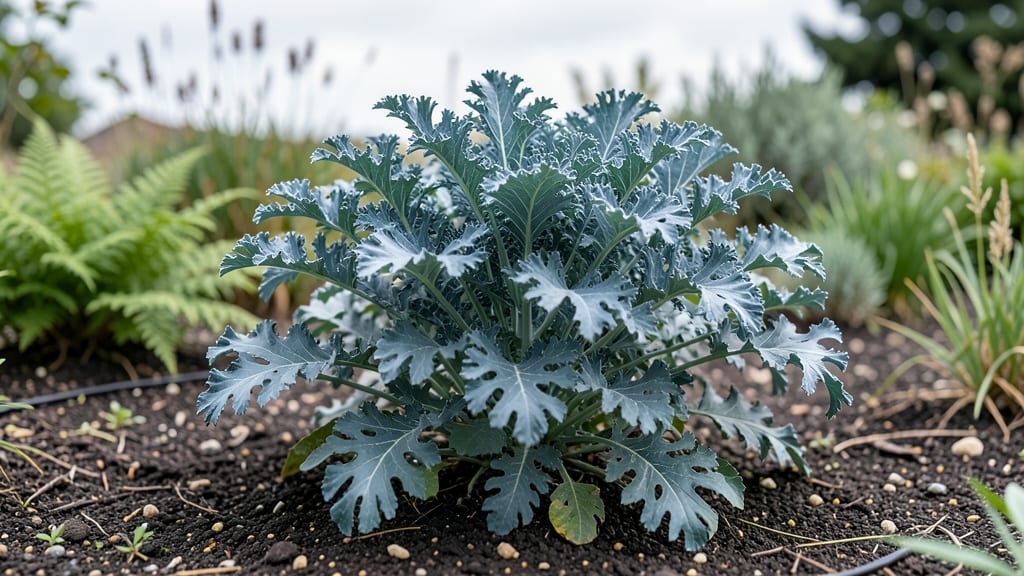
Growing brassica mustard plants delivers peppery, vibrant greens in just 45 days—faster than most lettuce and packed with flavor. 🌱 I’ve grown mustard greens for years, and the secret lies in their love of cool weather and quick harvest window.
These hardy plants thrive when treated like a fast-track crop, perfect for beginners eager to see results without waiting months.
The key to success starts with well-draining soil (mustard hates soggy roots) and full sun to partial shade—they bolt faster in hot weather. Plant seeds ¼ inch deep, spacing them 1 inch apart, and keep the soil consistently moist but not waterlogged.
Varieties like ‘Southern Giant Curled’ or ‘Tendergreen’ offer bold flavors, whether you’re using them raw in salads or cooked like spinach.
Within 3-4 weeks, you’ll see lush, dark green leaves ready for harvest. Mustard greens grow best in cool seasons (spring or fall), but they tolerate light frost—just avoid planting when temperatures exceed 80°F. The peppery kick intensifies as leaves mature, making them a culinary powerhouse for quick-cooking dishes.
Troubleshooting is simple: if leaves turn bitter, harvest younger; if they yellow, check for overwatering. Mustard plants also deter pests like aphids, making them a low-maintenance, high-reward addition to any garden. Ready to grow your own bold greens in record time?
📚 In This Guide
- What you need
- Instructions
- Tips and common mistakes
- Wrapping up and next steps
What you need
- ● Brassica mustard seeds: 1–2 oz (about 30–60g) per 10 sq ft of growing space. Choose varieties like Southern Giant Curled or Tendergreen for best results.
- ● Growing containers or garden bed: For containers: 5–6" deep pots (1 plant per pot) or a shallow tray (4–6 plants per sq ft).
- ● For in-ground planting: Well-draining soil in a sunny spot (6+ hours of sunlight daily).
- ● Potting mix: 5–10 lbs (2.3–4.5 kg) of high-quality, organic seed-starting mix (or garden soil amended with compost).
- ● Watering can or hose: With a gentle spray nozzle for even moisture.
- ○ Garden gloves (optional but recommended) to protect your hands from soil and seeds.
- ● Hand trowel or small shovel for transplanting seedlings.
- ○ Plant labels (optional) to track varieties if growing multiple types.
- ○ Fertilizer (optional): Balanced organic fertilizer (e.g., 10-10-10) or compost tea for a nutrient boost.
- ● Fish emulsion or seaweed extract (1 tbsp per gallon of water) for faster growth.
- ○ Row cover or shade cloth (optional): For young seedlings to protect from pests or harsh sun.
Step-by-step instructions for growing Brassica mustard plants
Here’s how to grow fast, peppery greens in just 45 days—no fancy equipment needed.
🌱 Step 1: Prepare the Soil and Plant Seeds
Brassica mustard thrives in loose, nutrient-rich soil with a pH between 6.0 and 7.0. Work the first 2-3 inches of soil to break up compaction, then mix in 1-2 inches of compost to feed the roots. Mustard seeds are tiny, so I use a shallow tray or flat to scatter them evenly—sow seeds ¼ inch deep and 1 inch apart in rows spaced 12 inches apart.
Lightly cover with soil and pat down gently to ensure good seed-to-soil contact. Mustard seeds germinate best in soil temperatures between 60-75°F. If your spring is chilly, consider a mini greenhouse or row cover to speed up germination. You’ll see sprouts in 5-7 days—watch for delicate, round cotyledons pushing through the soil.
💧 Step 2: Water and Maintain Moisture
Keep the soil consistently moist but not soggy—mustard plants wilt quickly when dry. Water deeply once a week (about 1 inch total) and supplement with light misting on hot days to prevent bolting. I water in the early morning to reduce evaporation and fungal risks. Avoid overhead watering once seedlings emerge; instead, use a soaker hose or drip irrigation to keep leaves dry.
Mustard greens grow fast, so you’ll notice rapid leaf expansion within 2-3 weeks. If the soil surface dries out between waterings, the edges of lower leaves will curl—a clear sign to water more frequently. Mulch with straw or grass clippings to retain moisture and suppress weeds.
☀️ Step 3: Provide Sun and Thin Seedlings
Mustard plants need full sun (6+ hours daily) for bold flavor and crisp texture. If your growing season is short, prioritize morning sun—afternoon heat can cause bolting. Once seedlings reach 2 inches tall, thin them to 3-4 inches apart to prevent overcrowding. Use sharp scissors to snip unwanted plants at soil level—pulling risks disturbing roots of nearby seedlings.
Thinning early ensures stronger stems and larger leaves. You’ll know you’ve thinned correctly when plants have enough space to fan out without competing. After thinning, water again to settle the soil around remaining seedlings. Fertilize lightly with balanced organic fertilizer (10-10-10) if your soil isn’t rich.
✂️ Step 4: Harvest for Peak Flavor
Mustard greens are ready to harvest in 4-6 weeks, when leaves reach 4-6 inches long. Cut outer leaves first, leaving the inner growth intact—this encourages continuous production. For baby greens, harvest when leaves are 2-3 inches tall for tender, mild flavor. I harvest in the morning after dew dries for the crispest texture.
If left unharvested, mustard plants bolt (send up flower stalks) quickly. To delay bolting, harvest every 2-3 days during peak growth. Store harvested greens in a perforated plastic bag in the fridge for up to 5 days. For a second crop, succession-sow seeds every 2 weeks—this ensures a steady supply all season.
Tips & tricks for growing bold Brassica mustard greens
Real talk: Growing fast, flavorful mustard greens isn't rocket science—but these small details make all the difference between wilted disappointment and restaurant-quality harvests.
Soil Prep Secret: Don't just till the top inch—dig down 2-3 inches to break up compaction, then mix in that 1-2 inches of compost thoroughly. I've found that adding a handful of sand or perlite to heavy clay soils improves drainage dramatically, which mustard plants appreciate more than you'd think. The goal is soil that crumbles like cake when you squeeze it—this ensures those tiny seeds have perfect contact for quick germination.
Germination Game-Changer: Those 5-7 days to sprouts can stretch if soil temps dip below 60°F. I keep a digital soil thermometer handy and use a clear plastic dome (like a large salad container) to create a mini greenhouse effect when nights get chilly. Remove it during the day to prevent overheating—just watch for condensation buildup. The moment you see those first cotyledons, remove the cover completely to harden off seedlings.
Thinning Technique: When you're thinning those 2-inch seedlings to 3-4 inches apart, use sharp scissors to snip at soil level rather than pulling. I've learned this the hard way—pulling disturbs roots of neighboring plants and creates gaps where weeds will move in. After thinning, give the soil a gentle watering to settle everything. Pro tip: Save those snipped seedlings for stir-fries or pesto—they're perfectly edible!
Harvest Timing: For baby greens, harvest when leaves hit 2-3 inches—they'll be tender and sweet. For full-sized greens, wait until 4-6 inches and cut outer leaves first. Here's what nobody tells you: Mustard greens actually taste better after a light frost. If your growing season extends into fall, let a few plants experience that first frost—the peppery flavor intensifies beautifully. Just harvest before they bolt!
Pro Tips for Brassica Mustard Plant
- Real talk: Growing fast, flavorful mustard greens isn't rocket science—but these small details make all the difference between wilted disappointment and restaurant-quality harvests.
- Soil Prep Secret: Don't just till the top inch—dig down 2-3 inches to break up compaction, then mix in that 1-2 inches of compost thoroughly.
- Germination Game-Changer: Those 5-7 days to sprouts can stretch if soil temps dip below 60°F.
Frequently asked questions
Got questions about growing Brassica mustard? You’re not alone! Here are answers to the most common queries—from planting to harvest—so you can grow bold, peppery greens like a pro.
How long does it take for Brassica mustard to grow from seed to harvest?
With the right conditions, you can harvest Brassica mustard in just 4–6 weeks! Baby leaves are ready in about 30 days, while full-sized plants take closer to 45 days. For a continuous supply, stagger your plantings every 2 weeks. Pro tip: Thin seedlings early to avoid overcrowding—this speeds up growth!
What’s the best temperature for growing Brassica mustard?
Mustard thrives in cool to moderate climates, ideally between 50–75°F (10–24°C). It hates extreme heat (above 80°F/27°C), which causes bolting (flowering too soon). For summer growing, use shade cloth or plant in partial shade. In cold regions, start seeds indoors 4–6 weeks before the last frost.
Can I grow Brassica mustard in containers, or does it need a garden bed?
Mustard is a container-friendly plant. Use pots at least 6–8 inches deep with drainage holes, and space 6–8 inches apart. A 5-gallon bucket works great for 2–3 plants. Just ensure it gets 4–6 hours of sunlight daily and keep the soil consistently moist. Bonus: Containers make it easy to move plants to avoid heat stress.
Why are my Brassica mustard leaves turning yellow or wilted?
Yellowing leaves often signal overwatering or nutrient deficiency. Check the soil—it should stay moist but not soggy. Wilting can also mean underwatering or heat stress. Pest issues (like aphids) or fungal diseases (e.g., downy mildew) may also be culprits. Fix it: Improve airflow, water at the base, and treat pests with neem oil if needed.
What are some easy substitutes if I can’t find Brassica mustard seeds?
If mustard seeds are hard to find, try these peppery, fast-growing alternatives:
- Mustard greens (Brassica juncea) – Nearly identical in flavor and growth habits.
- Arugula (Eruca sativa) – Spicy kick, ready in 30 days, and cold-hardy.
- Turnip greens (Brassica rapa) – Bold flavor, edible leaves and roots.
- Pak choi (Brassica rapa subsp. chinensis) – Mild but quick-growing (3–4 weeks).
Wrapping up and next steps
Growing Brassica mustard is a rewarding journey that delivers fast, flavorful greens in just 45 days! Whether you're a seasoned gardener or a curious beginner, this hardy plant thrives with minimal fuss—perfect for adding bold, peppery greens to your meals.
With the right soil, sunlight, and care, you’ll soon be harvesting crisp leaves for salads, stir-fries, and more.
Ready to dive in? Start small—try a few plants in containers or a dedicated garden bed—and let your green thumb shine! 🌱 For even more success, experiment with varieties or share your harvest with friends. Happy growing!