
Vegetables
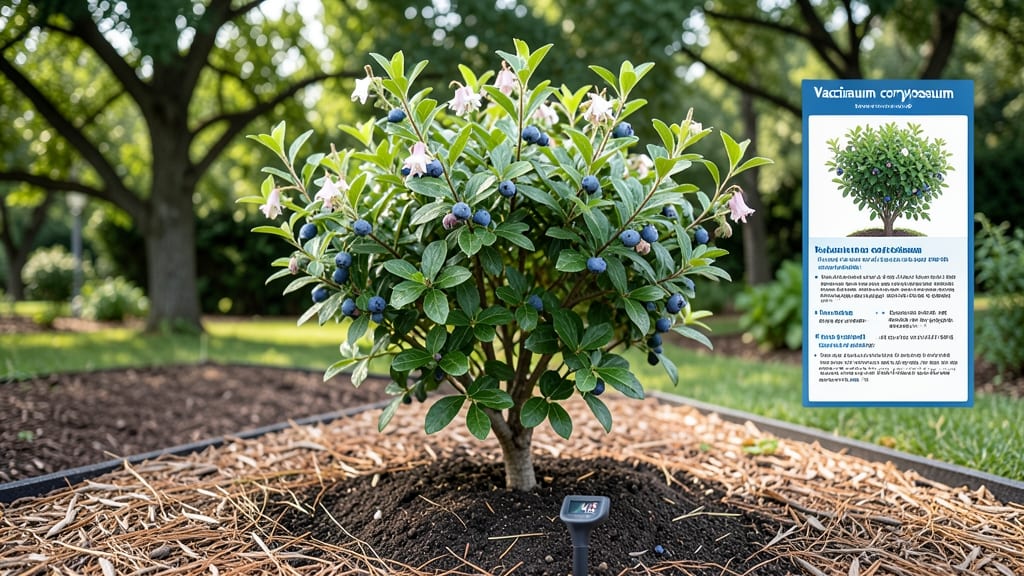
Blueberries in Ohio grow best in USDA Zones 5-6, with cold-hardy varieties like 'Bluecrop,' 'Duke,' and 'Jersey' thriving in acidic, well-drained soils. Plant in spring or fall, maintaining 4-6 feet spacing for optimal sunlight and yield.
Ohio's climate makes it perfect for growing blueberries, especially when you choose the right varieties.
The Bluecrop variety, for example, is a top pick because it handles Ohio's temperature swings well and produces large, sweet berries. 🌿 Meanwhile, 'Duke' is known for its early season fruit, giving you a head start on harvests.
These bushes also need consistent moisture, so mulching helps retain water during Ohio's hot summers while preventing weeds from competing for nutrients.
What sets Ohio apart is how quickly blueberries can establish themselves in the right conditions. Once planted, these bushes typically start producing fruit within 2-3 years, making them a rewarding crop for home gardeners.
The key is maintaining that acidic soil—most Ohio soils are naturally alkaline, so you'll need to amend with sulfur or peat moss to create the ideal growing environment.
💡 In This Article
- Ohio’s Best Blueberry Varieties for Yield and Climate
- Soil and Care Tips for Thriving Ohio Blueberry Bushes
Ohio’s best blueberry varieties for yield and climate
Ohio’s climate—with its cold winters and hot summers—demands blueberry varieties that can handle both extremes. The 'Bluecrop' variety stands out as a top performer, producing large, deep-blue berries with excellent flavor.
This mid-season cultivar thrives in Ohio’s USDA Zones 5-6 and matures in 70-80 days, making it ideal for gardeners who want a reliable harvest. Its cold hardiness extends to -20°F, ensuring survival through Ohio’s harsh winters while still delivering sweet, 1.5-inch diameter berries that ripen uniformly.
For early-season harvests, 'Duke' is a game-changer, ripening in just 60-70 days and producing berries that are slightly smaller but packed with intense flavor. This variety is also highly resistant to mummy berry disease, a common fungal issue in Ohio’s humid climate.
Meanwhile, 'Jersey' offers a late-season option, ripening in 80-90 days and thriving in colder microclimates. Its compact growth habit makes it perfect for smaller gardens, while still yielding 2-3 pounds of berries per bush at maturity.
Pollination is another critical factor in Ohio. Most blueberry varieties are self-pollinating, but planting two different cultivars—like 'Bluecrop' and 'Duke'—can increase yields by up to 30% due to cross-pollination.
The timing of flowering also matters: Ohio’s late spring frosts can damage early bloomers, so varieties like 'Patriot' (a late-season type) are safer bets. These cultivars flower later, reducing frost-related losses and ensuring a more consistent harvest year after year.
What sets Ohio’s best varieties apart is their ability to handle the state’s variable rainfall patterns. Drought-tolerant types like 'Chester' thrive in well-drained soils, while others, like 'Earliblue', perform well in wetter conditions.
The key is matching the variety to your specific microclimate—whether you’re in northern Ohio’s cooler regions or the warmer southern areas. Each cultivar’s ripening window also helps stagger your harvest, giving you fresh berries from early July through August.
One often-overlooked detail is how these varieties interact with Ohio’s humid summers. 'Bluecrop', for example, has a thick waxy coating on its berries that reduces cracking—a common issue in high humidity.
Meanwhile, 'Duke'’s early ripening means its fruit avoids the peak of Ohio’s rainy season, resulting in cleaner, more marketable berries. These adaptations make them stand out in Ohio’s challenging growing conditions.
To maximize your harvest, consider planting a mix of early, mid, and late-season varieties. This strategy ensures you have berries ripening continuously, reducing waste and extending your fresh-picking window.
For instance, 'Duke' (early) + 'Bluecrop' (mid) + 'Jersey' (late) creates a 3-month harvest window, giving you a steady supply of berries from late June to early September. This diversity also helps mitigate risks from pests or diseases that might target a single variety.