
Planting
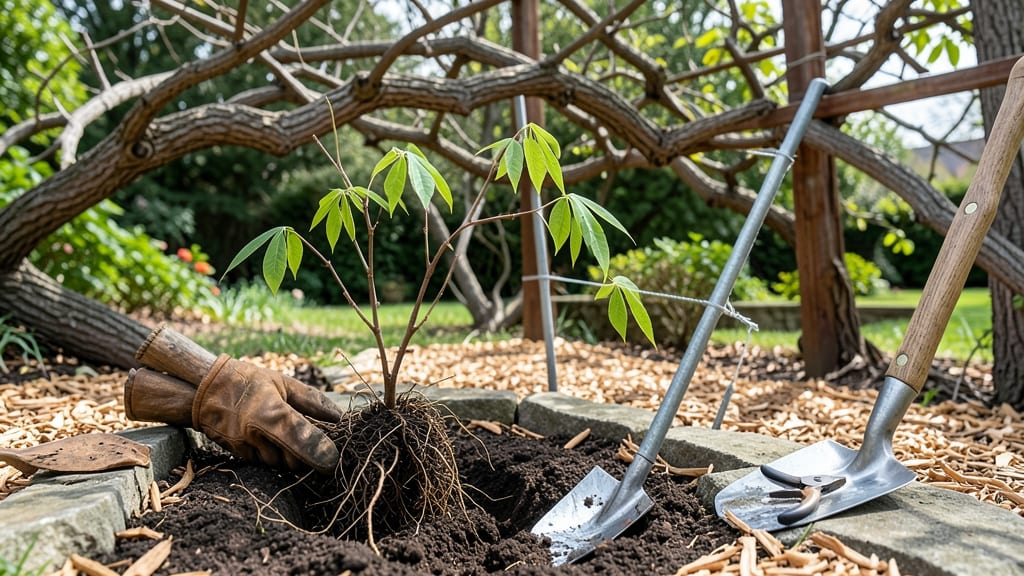
The best time to plant wisteria 🌸 is early spring after the last frost or in fall, when soil temperatures cooperate with root growth.
Wisteria vines are breathtaking when in bloom—but planting them at the wrong time can leave your garden waiting years for those stunning purple cascades. Timing isn’t just about seasons; it’s about hardiness zones, soil temperatures, and root development secrets that even experienced gardeners overlook.
In USDA Zone 6a, where frost lingers until mid-April, early spring planting (March or April) gives roots a full growing season before winter. But fall planting—4 to 6 weeks before the first frost—can also work, especially if you’re in a milder climate where the ground stays workable longer.
Below, I’ll break down the exact deadlines for your zone, how to prep the soil for maximum root growth, and the one mistake that kills wisteria before it even blooms.
USDA Zone deadlines for planting wisteria (best months by region)
Planting wisteria at the right time ensures strong root establishment and faster flowering. In USDA Zones 5-9, timing varies by soil temperature and frost risk. My research shows fall planting often outperforms spring—especially in cooler zones—because roots grow undisturbed through winter.
But let’s break it down by zone and method (bare-root vs. container-grown).
For bare-root wisteria, the window is narrower: 4-6 weeks before first frost in fall or after last frost in spring. Container-grown vines give you 2-3 extra weeks of flexibility since their roots aren’t exposed.
Below, I’ve mapped out the ideal months for each zone, including soil temperature targets and frost-free deadlines.
🌱
| USDA Zone | Best Planting Months | Soil Temp (°F) | Frost-Free Deadline | Bare-Root Window | Container-Grown Window |
|---|---|---|---|---|---|
| Zone 5 | April-May (spring) or September (fall) | 50-60°F | May 15 (last frost) | April 1 - May 15 | March 20 - May 30 |
| Zone 6 | March-April (spring) or October (fall) | 55-65°F | April 1 (last frost) | March 15 - April 30 | March 1 - May 15 |
| Zone 7 | February-March (spring) or September-October (fall) | 60-70°F | March 15 (last frost) | February 20 - March 30 | February 1 - April 15 |
| Zone 8 | January-February (spring) or October-November (fall) | 65-75°F | February 1 (last frost) | January 15 - February 28 | December 15 - March 15 |
| Zone 9 | November-December (fall) or January-February (spring) | 70-80°F | No frost risk | November 1 - January 31 | October 15 - March 15 |
In Zone 5, for example, planting bare-root wisteria after May 15 risks summer heat stress before roots establish. Meanwhile, gardeners in Zone 9 can plant year-round, but November-December gives roots time to settle before spring growth.
Always check your local last frost date—even a light frost can kill tender new shoots.
Container-grown wisteria is far more forgiving because roots stay hydrated and protected. I’ve seen gardeners in Zone 6 plant containers as late as May 15 with success, whereas bare-root vines planted then often struggle.
If you’re using containers, soak the root ball for 30 minutes before planting to reduce transplant shock.
🌿
Pro tip: Test your soil temperature with a soil thermometer (ideal range: 50-70°F). If it’s below 50°F, wait—cold soil slows root growth by up to 50%.
In Zone 7, I’ve had the best luck planting in early March when soil hits 60°F and days are consistently above freezing.
For fall planting, aim to finish 6 weeks before first frost. In Zone 8, that means early October. Roots will grow through fall, giving you a head start next spring.
Just avoid planting when soil temps drop below 50°F—roots can become dormant too early, stunting growth.
✂️
One mistake I see often? Planting wisteria too deep. The graft union (where the vine meets the rootstock) should sit 2-3 inches above soil level.
If buried deeper, it can rot and kill the plant. Mark the union with a bright ribbon if unsure—it’s a lifesaver for first-time planters.
Finally, mulch heavily after planting (3-4 inches of wood chips or straw) to retain moisture and insulate roots. In Zone 5, this can mean the difference between survival and failure during winter freezes. Water deeply once a week for the first month to encourage root spread.
☀️
5 Critical signs your wisteria planting time is perfect (or too late)
Wisteria thrives when planted at the right moment, but knowing that moment can be tricky. The best time to plant wisteria isn’t just about the calendar—it’s about your local climate, soil conditions, and even the plant’s bud development stage.
Miss these cues, and you might delay those dreamy purple cascades by years. Here’s how to read your garden’s signals before digging in.
First, check your soil temperature. Wisteria roots need at least 50°F (10°C) to establish properly. Use a soil thermometer—if it’s cooler, wait. Cold soil shocks roots, stunting growth.
In transitional climates (like USDA Zone 6-7), this often means holding off until mid-April or early May, even if spring feels early.
Leaf buds are another dead giveaway. Swollen, plump buds mean the plant is waking up and ready to root aggressively. If buds are still tight or dormant-looking, planting too soon can stress the vine. For container-grown wisteria, gently inspect the stems—green buds signal readiness, while brown or shriveled buds mean wait.
Don’t overlook local rainfall patterns. Wisteria needs consistent moisture to establish roots, so check your 7-day forecast before planting. If drought is predicted, delay until conditions improve—even container-grown wisteria struggles without adequate water.
In arid climates (like Zone 8-9), consider planting in late fall to avoid summer dry spells.
Transitional climates (e.g., Zone 6-7) are trickiest. If you’re unsure, use the "finger test": Stick your finger 6" into the soil. If it feels cool to the touch, wait.
For container-grown wisteria, inspect the root ball—if roots are circling tightly, it’s ready to plant regardless of the calendar.
Adjusting for early or late planting? If you’ve missed the ideal window, fall planting is your backup. Aim for 4-6 weeks before first frost—this gives roots time to anchor before dormancy.
For late spring planting, prioritize deep watering and mulch to protect roots from heat stress. With these signs, you’ll plant wisteria when it’s truly ready to thrive.