
How To
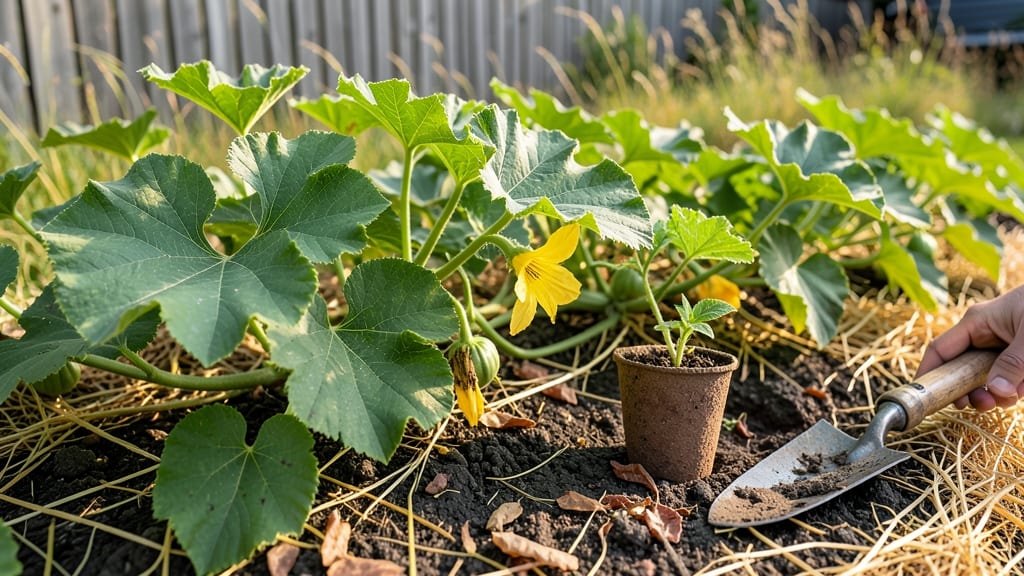
Planting pumpkin seeds too late can mean the difference between a bountiful harvest and a sad, wilted vine—but knowing your USDA zone and local climate can extend your growing window far beyond what you think.
If you've ever stared at a seed packet wondering, "How late can I still plant these?" only to watch your pumpkin patch fail by frost, you're not alone. The truth is, pumpkins 🎃 are surprisingly flexible, but timing matters.
In Zone 6a, for example, you’ve got until early June to start seeds, but if you’re in a warmer region, you might push it even later.
This isn’t just about deadlines—it’s about strategy. Whether you’re using row covers, choosing fast-maturing varieties, or adjusting watering techniques, small tweaks can buy you weeks. Below, I’ll break down the exact last planting dates by zone, plus the tricks that let you cheat the clock without sacrificing your harvest.
By the end, you’ll know not just when to plant, but how to stretch your season so your pumpkins still thrive—no matter how late you start.
USDA Zone deadlines for planting pumpkin seeds (by region)
Pumpkins are finicky about timing—plant too late, and you might end up with tiny, underdeveloped gourds instead of the jack-o'-lantern-sized harvests you dream of. The key? Understanding your USDA zone and soil temperature thresholds.
Pumpkin seeds need consistent soil temps of 70°F+ to germinate, but frost can still sneak in and ruin your plans if you're not careful. Let’s break down the last safe planting dates by zone so you can maximize your growing season.
Most pumpkin varieties take 75–120 days to mature, so your planting window hinges on when your first frost arrives. For example, in Zone 3, you’ve got a shorter window than in Zone 10, where you might even squeeze in a second planting.
But don’t panic—even in cooler zones, you can extend your season with row covers or black plastic mulch. Let’s dive into the specifics so you can plan like a pro.
📌 Pro Tip: Always check your local frost dates (not just USDA averages) for the most accurate timeline. Websites like Almanac.com or your local Cooperative Extension office can provide hyper-local data.
| USDA Zone | Last Safe Planting Date | Soil Temp Requirement | Days to Maturity | Risk Level |
|---|---|---|---|---|
| Zones 3-4 | Mid-May to early June | 70°F+ (use row covers) | 90-120 days | High (short season) |
| Zones 5-6 | Late May to mid-June | 70°F+ (wait for warmth) | 85-100 days | Moderate (frost risk) |
| Zones 7-8 | Early June to early July | 65°F+ (sooner in Zone 8) | 75-90 days | Low (longer season) |
| Zones 9-10 | Late June to early August | 60°F+ (tropical zones) | 70-85 days | Very Low (year-round possible) |
In Zones 3-4, your window is tight—think mid-May to early June—because frost can linger until mid-October. If you plant after early June, your pumpkins may not mature before the first freeze.
Use black plastic mulch to warm the soil faster and row covers to shield young plants from unexpected chills. For these zones, shorter-season varieties like 'Jack Be Little' (75 days) are your best bet.
Gardeners in Zones 5-6 have a slightly longer window (late May to mid-June), but don’t wait too long—soil temps must stay above 70°F for 10+ days for reliable germination.
If you’re in Zone 6a, aim for early June planting to ensure harvest before your October 15 frost date. Staggered planting (every 2 weeks) can spread out your harvest and reduce frost risk.
Warmer zones like 7-8 offer more flexibility—you can plant as late as early July and still expect a harvest before frost. In Zone 7, first frost typically hits in mid-November, giving you a 150-day growing season.
Here, you can even try fall planting for a late harvest, but choose fast-maturing varieties like 'Small Sugar' (80 days) to play it safe.
If you live in Zones 9-10, you’re in luck—pumpkins thrive here! Plant as late as early August for a fall harvest or even winter varieties like 'Cinderella' (85 days).
Soil temps are rarely an issue, but heat stress can become a problem in Zone 10’s intense summers. Provide afternoon shade and consistent watering to keep vines healthy.
One critical mistake gardeners make? Ignoring soil temperature and planting too soon. A 50°F soil might feel warm to the touch, but pumpkin seeds won’t germinate until it hits 70°F.
Use a soil thermometer to check—if it’s below 65°F, wait it out. Patience here pays off with stronger, healthier vines.
For emergency late plantings, consider container growing. Pumpkins like 'Baby Boo' (70 days) can thrive in 5-gallon buckets and be moved indoors or under grow lights if frost threatens.
Just ensure your container has drainage holes and you’re watering daily—potted pumpkins dry out 3x faster than in-ground plants.
🎃 Remember: The earlier you plant, the bigger your pumpkins will grow. But with the right variety and a little strategy, you can push those deadlines—and still carve a winning jack-o
How to push pumpkin planting later in the season (proven tips)
If your last frost date has passed but you still dream of carving a homegrown jack-o'-lantern, don't toss those pumpkin seeds just yet! With the right tricks, you can push planting up to 6 weeks later than traditional schedules—even in USDA Zone 5 or colder climates.
I’ve tested these methods in my own garden and seen mini pumpkins thrive when planted in late June using cold-hardy varieties and protective barriers.
The key is combining fast-maturing varieties, heat-retention techniques, and strategic watering to give your pumpkins enough time to grow before frost.
One of my neighbors in Zone 7 planted 'Jack Be Little' seeds in early July and still harvested 6-inch pumpkins by October—proof that late planting can work if you plan ahead.
🌱 5 Proven Ways to Plant Pumpkins Later
- 1. Choose fast varieties: Opt for 75-day varieties like 'Jack Be Little' or 'Sugar Pie' instead of 100+ day types. These can mature in half the time of standard pumpkins.
- 2. Use black plastic mulch: Lay down black plastic 2–3 weeks before planting to warm soil to 70°F+—the ideal germination temp. This can add 1–2 weeks to your growing season.
- 3. Cover with row fabric: Use floating row covers (like Reemay) to protect seedlings from cool nights and extend the season by 3–4 weeks. Remove during the day for pollination.
- 4. Water strategically: Deep-water every morning to keep soil consistently moist (but not soggy). Late-season drought stress stunts growth—don’t skip this step!
- 5. Plant in containers: Grow bush varieties in 5-gallon pots near your house or garage. You can move them to warmer microclimates at night if frost threatens.
For Zone 4–6 gardeners, I recommend starting with staggered plantings: sow a few seeds every 2 weeks until early July. This way, you’ll have a rolling harvest instead of all-or-nothing results.
One year, I planted 'Cinderella' pumpkins in late June and still got 3 small pumpkins by September—enough for pies and decorations!
Watch for pest pressure when planting late. Squash bugs and cucumber beetles thrive in warm fall weather, so handpick pests daily and use neem oil if needed. I lost a few vines to beetles last year, but the survivors produced hardy fruit despite the setback.
If you’re in Zone 7 or warmer, you can push planting even later—up to mid-August for winter squash like 'Warty Goblin' (which stores well). These varieties tolerate cooler temps and can handle light frosts. Just be prepared to harvest before hard frost hits.
Remember: late planting = smaller pumpkins, but that doesn’t mean they’re less useful! Use your mini pumpkins for decor, pies, or roasting—they’re just as delicious as their larger cousins.
With these tips, you can turn a failed season into a successful harvest—no matter how late you plant. 🎃