
Planting
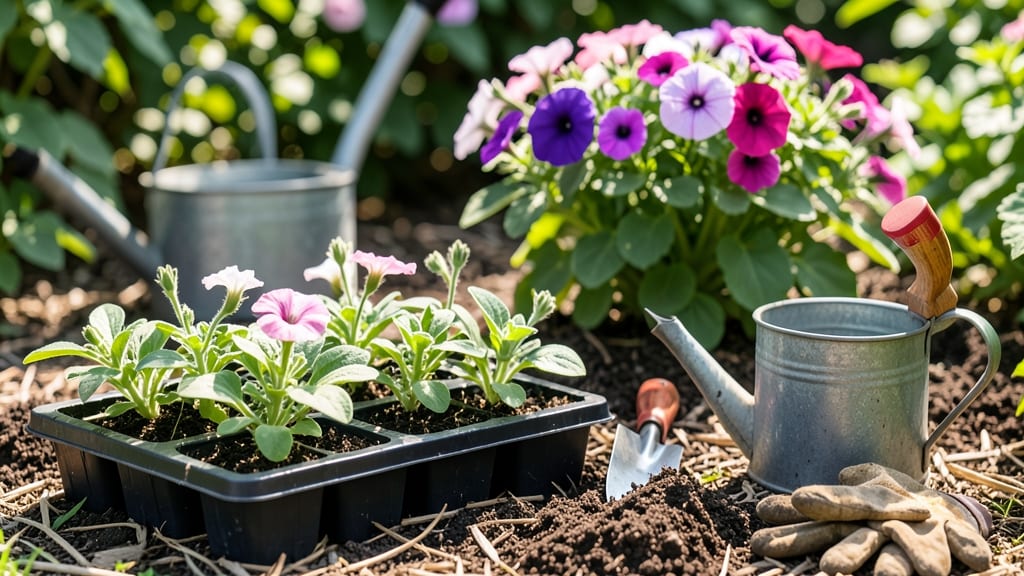
The best time to plant petunias is after your last frost date when soil warms to 60°F+, turning your garden into a vibrant canvas of 🌸 blooms.
Picture this: you’ve waited all winter for spring, and now the petunias you planted too early are struggling in cool soil, while others planted too late miss their peak bloom.
The difference between a showstopping display and a lackluster one often comes down to timing—especially in zones like 6a where frost lingers.
From late April to early May in most regions, petunias thrive when transplanted into well-draining soil, giving them 60 days of warm weather to establish roots and burst into color. But what if you’re in a warmer climate?
Or if you want to extend blooms into fall? I’ll break down the zone-specific calendar that keeps your petunias flowering longer and stronger.
You’ll learn how to time your planting for maximum blooms, avoid common mistakes that shorten the season, and even adjust for containers or microclimates. Let’s get those petunias in the ground the right way!
USDA Zone-by-Zone petunia planting calendar for peak blooms
Petunias thrive when planted at the right time—too early and frost zaps their tender roots, too late and they struggle in summer heat. The key is aligning your planting with your USDA hardiness zone, soil temperatures, and frost-free dates to ensure vibrant blooms all season.
Whether you're in chilly Zone 3 or balmy Zone 11, this calendar gives you the exact windows for planting petunias.
Most gardeners focus only on spring planting, but petunias also shine when planted in early fall for late-season color. The trick is timing it so plants establish roots before cooler weather slows growth.
For example, in Zone 7, fall planting should wrap up by mid-September to avoid winter damage, while Zone 10 gardeners can push it to early November.
Below is your zone-by-zone petunia planting guide, including soil temperature requirements, ideal transplant dates, and fall planting deadlines to maximize your blooms. Pro tip: Always check your local last frost date—even within zones, microclimates vary!
🌸
In Zones 3-5, where winters are harsh, petunias are best treated as annuals planted after all danger of frost. Aim for mid-May when soil temperatures consistently reach 60°F—cold soil stunts root growth.
For a head start, sow seeds indoors 8-10 weeks before your last frost date, then transplant hardened-off seedlings after Memorial Day.
Gardeners in Zones 6-7 have the most flexibility, with both spring and fall planting options. Start seeds indoors by March 1 for early blooms, or buy transplants in April once nighttime temperatures stay above 50°F.
For fall color, plant by mid-September—this gives roots time to establish before winter slows growth. Choose heat-tolerant varieties like 'Supertunia' for longer displays.
Warmer climates in Zones 8-9 allow for year-round planting, but timing matters even here. Plant in early spring (March) to beat summer heat, and again in late summer (August) for fall blooms.
In these zones, petunias can suffer from heat stress if planted too late—opt for shade-tolerant types like 'Limelight' if your area gets intense afternoon sun.
For Zones 10-11, petunias are perennial powerhouses when given proper care. Plant in January-February to avoid summer's peak heat, and again in August for holiday-season color.
Since frost is rare, focus on consistent moisture and light fertilizing to keep blooms coming. Mulch heavily to retain soil moisture in the dry climate.
🌿
No matter your zone, always harden off seedlings before transplanting—this means gradually exposing them to outdoor conditions over 7-10 days. Skip this step and you risk transplant shock, which stunts growth. Also, water deeply at transplant time to help roots establish quickly in their new home.
For containers, use well-draining mix and plant slightly earlier than ground beds to take advantage of warmer soil temperatures.
Pro move: Mark your calendar with local frost dates (check your Almanac's Frost Calculator) and adjust planting by 1-2 weeks if your microclimate runs warmer or cooler than the zone average. Coastal areas, for example, often have milder winters and can plant petunias 2-3 weeks earlier than inland zones.
How to extend petunia blooms by planting at the right time
Timing your petunia planting is the secret to longer, more vibrant blooms. Plant too early, and frost will damage tender roots. Plant too late, and heat stress can stunt growth.
The key is finding that sweet spot where soil warmth meets cool evening temperatures—typically 2-4 weeks after your last frost date.
But timing isn't one-size-fits-all. Coastal areas with milder winters might start earlier, while inland zones with hot summers should delay planting. Even container gardening has different rules—pots heat up faster, so timing shifts slightly.
Let's break down the perfect planting windows to keep your petunias blooming from summer through early fall.
- 🌱 Ideal Soil Temp: Wait until soil reaches 60°F+—use a soil thermometer to check.
- ☀️ Sunlight Prep: Choose spots with 6+ hours of sun; petunias wilt in shade.
- 📅 Zone 3-5: Plant mid-May to early June after last frost.
- 📅 Zone 6-8: Aim for April 15-May 15 (adjust for coastal delays).
- 📅 Zone 9-11: Fall planting (Sept-Oct) works best to avoid summer heat.
- 🪴 Containers: Plant 1-2 weeks later than in-ground to prevent root shock.
- 💧 Watering Rule: Soak roots at planting, then water deeply every 1-2 days.
For coastal gardens, where summers are cooler and winters milder, you can push planting to early April. The Pacific Northwest or Gulf Coast often see petunias thrive with March-April starts.
In contrast, inland desert regions like Arizona should wait until late May to avoid 100°F+ soil, which can scorch young roots.
Container gardeners have a narrower window—pots heat up faster, so planting too early risks root rot. Start containers 2 weeks after in-ground plants and use lightweight potting mix to prevent overheating. Elevate pots on feet or saucers to improve airflow and drainage.
Pro tip: Deadhead spent blooms weekly to encourage new flowers. Pair this with balanced fertilizer (5-10-10) every 4-6 weeks to keep petunias blooming until first frost. Mulch with 2-3 inches of straw to retain moisture and regulate soil temperature.
By mastering these timing tricks, your petunias will reward you with nonstop color from June through October—or even longer in mild climates. The right start means healthier roots, bigger blooms, and a garden that steals the show all season.