
Planting
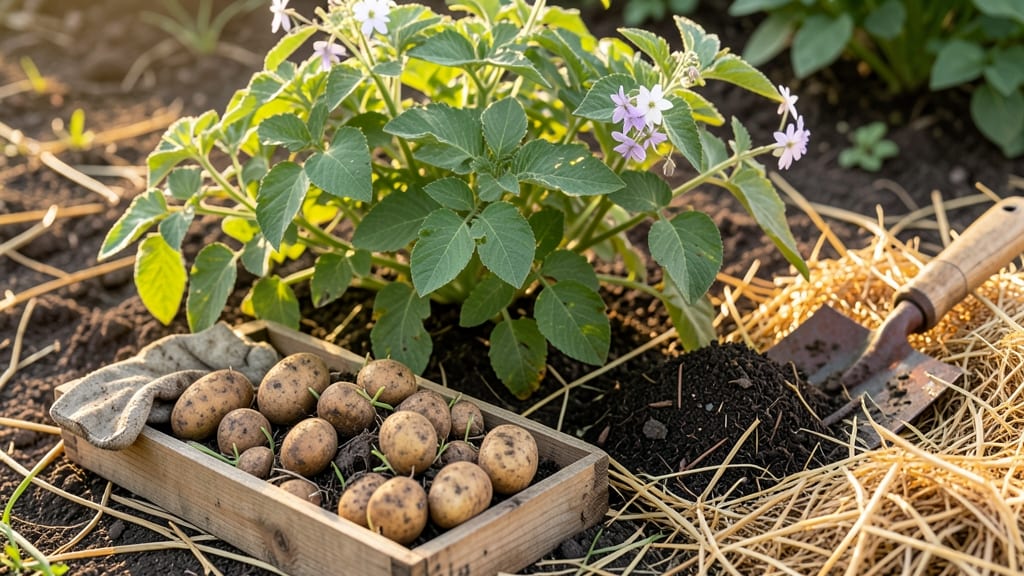
Growing potatoes at the best time of year can mean the difference between a bountiful harvest and a disappointing one — and it all starts with timing.
Picture this: you’ve prepped your soil, chosen the right variety, and planted your seed potatoes with high hopes. But if you miss the ideal window, your tubers might never reach their full potential.
In fact, planting too early or too late can cut your yield by 30% or more, leaving you with fewer potatoes to enjoy.
For most gardeners in USDA Zone 6a, the sweet spot is early spring — about 4-6 weeks before your last frost, typically in March or early April.
This gives your potatoes enough time to mature before summer heat sets in, ensuring those golden, crisp tubers you’ve been dreaming of.
Below, I’ll break down the exact planting windows for your region, how to adjust for short seasons, and the one trick that can extend your harvest well into summer. Let’s get those 🥔 growing!

Optimal planting windows by US growing Zones
Timing your potato planting based on your USDA hardiness zone can make the difference between a bountiful harvest and a disappointing one. Potatoes thrive when planted in cool soil but need warm air to grow—balancing these two factors is key.
The best time to plant varies dramatically from Zone 3 to Zone 10, so let’s break it down by region to help you plan.
Most gardeners aim to plant potatoes 4-6 weeks before the last frost date in spring. However, in warmer zones like Zone 9-10, fall planting becomes possible, allowing for a second harvest.
Understanding your zone’s frost-free date is the first step—use the USDA Plant Hardiness Zone Map to locate yours, then adjust your schedule accordingly.
Here’s a quick guide to help you visualize the ideal planting windows by zone, including frost-free dates and regional exceptions. This ensures you’re planting at the perfect time for your climate, whether you’re in Alaska’s Zone 3 or Florida’s Zone 10.
| USDA Zone | Last Frost Date | Best Planting Window | Soil Temp Requirement | Regional Notes |
|---|---|---|---|---|
| Zone 3-4 | Mid-May | Late April to early May | 45-55°F | Cold climates: Use black plastic mulch to warm soil faster. |
| Zone 5-6 | Mid-April to early May | Early April to mid-May | 45-55°F | Northern states: Plant early varieties like Yukon Gold for shorter seasons. |
| Zone 7-8 | Mid-March to early April | February to early April (spring) or August-September (fall) | 50-60°F | Fall planting works in warmer microclimates—harvest before frost. |
| Zone 9-10 | No frost | October-November (fall) or February-March (spring) | 55-65°F | Tropical climates: Plant in cool months to avoid heat stress. |
In Zones 3-4, where winters are long and harsh, planting potatoes too early can lead to rot if the soil stays too cold. Using black plastic mulch or straw can warm the soil faster, giving your potatoes a head start.
For example, in Zone 4, aim to plant by May 1 to ensure tubers form before the ground cools again in late summer.
Gardeners in Zones 5-6 have more flexibility but should still plant early. The key is to get seeds in the ground when soil temperatures hit 45°F.
If you’re in a short-season area, like Minnesota or Maine, choose early-maturing varieties like Red Norland or Kennebec to avoid frost damage to emerging plants.
For Zones 7-8, where frost dates vary widely, both spring and fall planting are possible. In spring, plant 4-6 weeks before the last frost, while fall planting (August-September) allows for a second harvest before winter sets in.
This is especially useful for longer-day varieties like Russet Burbank, which thrive in warmer climates.
In Zones 9-10, potatoes can be grown year-round with careful timing. Plant in fall (October-November) to take advantage of cool winter temperatures, or in early spring (February-March) to avoid the heat of summer.
In Florida or Southern California, you might even see three harvests per year with the right variety and care.
Regional exceptions matter! For instance, high-altitude gardens in Zone 6 (like Denver) may need to plant 2 weeks later than coastal areas due to cooler temperatures. Always check your local frost dates and adjust accordingly—your microclimate can make a big difference in success.
Pro tip: If you’re unsure about your frost date, use a frost calendar from your local cooperative extension service. They provide hyper-local data that’s far more accurate than general zone guidelines.
For example, Chicago’s Zone 5 might have a later frost date than Duluth’s Zone 4, even though they’re in the same zone.
Remember, potatoes are cool-season crops, so the goal is to get them in the ground when the soil is cool but warming. This balance ensures strong germination and healthy tuber formation. With the right timing, you’ll be digging up golden potatoes in no time! 🥔
How soil temperature affects potato growth timing
Potatoes are famously picky about soil temperature—plant them too early when the ground is still chilly, and your seed potatoes will rot before sprouting. The ideal soil temperature for potato germination is between 45-55°F, where roots establish quickly and sprouts emerge within 10-14 days.
This window explains why spring planting is critical in most climates, but warm-region gardeners can push planting later.
Cold soil delays germination and invites disease pressure from rot-causing pathogens. If you're in USDA Zone 4 or colder, wait until the soil warms to at least 45°F—even if air temperatures feel spring-like.
In southern states (Zones 7-10), soil may stay too warm for early planting, so opt for heat-tolerant varieties like 'Yukon Gold' and plant in late winter or early spring.
To test soil temperature, use a soil thermometer (available for under $10) or the back-of-hand test: if the soil feels cool to the touch but not freezing, it’s likely in the right range.
In short-season areas, aim to plant 4-6 weeks before your last frost date, giving tubers time to mature before summer heat sets in.
If your soil stays below 45°F for weeks, try black plastic mulch to warm the soil faster or plant in raised beds, which heat up quicker. Conversely, in hot climates, plant late winter varieties like 'Sweetheart' to avoid bolting (premature flowering) from heat stress.
Adjusting for your climate means balancing soil warmth with frost risk. For example, in Zone 5, plant early April when soil hits 50°F, while in Zone 8, wait until February to avoid summer heat.
Always prioritize consistent moisture after planting—dry soil slows germination just as much as cold soil.
Pro tip: Chit your seed potatoes (place them in light for 2-3 weeks before planting) to jumpstart sprouting, but only if your soil is ready. If it’s still too cold, wait—patience prevents rot.
With the right timing, you’ll see vigorous shoots within 2 weeks and a bountiful harvest by summer’s end.