
Planting
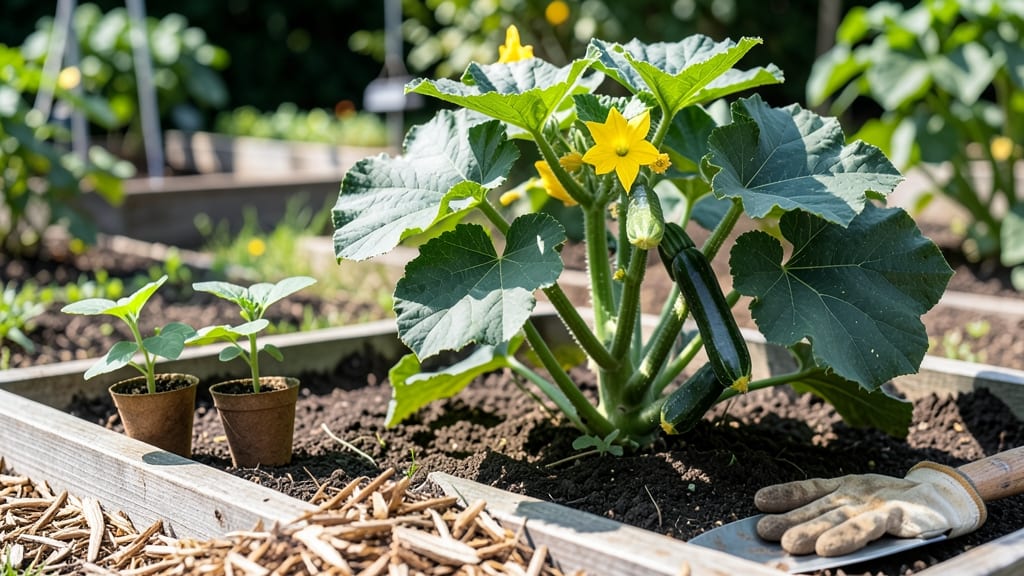
Struggling to grow zucchini that thrive and produce? The secret isn’t just good soil—it’s where you plant them. Zucchini plants demand full sun, warmth, and space to spread, yet many gardeners overlook these critical placement factors.
In Zone 6a, where spring planting kicks off in April, your zucchini needs at least 6-8 hours of direct sunlight daily—no compromises. Shade or partial sun will slow growth, reduce yields, and leave you with bitter fruit.
But it’s not just about sunlight; soil drainage and spacing play equally big roles in preventing disease and maximizing those bountiful harvests from July to September.
Whether you’re working with a traditional garden bed, a raised bed, or even containers, I’ll break down the best spots for your zucchini—plus how to avoid common mistakes like overcrowding or poor drainage. Ready to set up your plants for success?
Optimal sunlight requirements for zucchini growth
Zucchini plants are sun-worshippers, and their growth rate and fruit production depend heavily on direct sunlight exposure. Without enough light, you’ll end up with weak vines, fewer flowers, and poor-quality zucchini.
The ideal spot for zucchini is one that receives 6 to 8 hours of full sun daily, but many gardeners don’t realize how critical this is—especially in cooler climates or urban settings where shade creeps in unexpectedly.
In USDA Zones 4-6, where summers are shorter, zucchini needs at least 8 hours of sun to compensate for cooler temperatures. Meanwhile, in Zones 7-10, 6 hours of direct sunlight is usually sufficient, provided temperatures stay warm.
The key is consistent, unfiltered sunlight—even partial shade can reduce yields by up to 50%.
Here’s the breakdown of sunlight needs by region to help you plan your zucchini’s perfect spot:
| Region | Minimum Sunlight Hours | Ideal Sunlight Hours | Best Planting Time | Notes |
|---|---|---|---|---|
| USDA Zones 4-6 (Cool Climates) | 8 hours | 10+ hours (if possible) | After last frost (mid-May) | Use black plastic mulch to warm soil faster. |
| USDA Zones 7-9 (Warm Climates) | 6 hours | 8 hours | Early spring or late summer | Avoid planting in extreme heat (above 95°F). |
| Urban Balconies/Containers | 6 hours (south-facing) | 8+ hours (west-facing) | After soil warms (late April) | Use reflective surfaces (white walls) to boost light. |
| Shady Gardens (Partial Sun) | 4 hours (minimum) | 6 hours (with dappled light) | Late spring (after trees leaf out) | Expect smaller yields; choose bush varieties. |
If your garden lacks full sun, don’t despair—there are ways to maximize sunlight exposure. For example, removing nearby trees or tall plants can instantly improve light conditions.
In urban areas, south-facing walls or balconies are ideal, while reflective surfaces (like white paint on fences) can redirect light toward your zucchini.
Another trick is to plant zucchini near taller crops (like corn or sunflowers) that provide early-season shade but allow light to reach the zucchini as the taller plants mature. This strategic pairing ensures your zucchini gets the sun it craves later in the season when it matters most.
For container growers, choose west-facing spots—they receive the most intense afternoon sun, which zucchini thrives on. If your balcony only gets morning sun, opt for bush varieties like ‘Eight Ball’ or ‘Patio Star’, which tolerate slightly less light than vining types.
Watch out for common sunlight mistakes that sabotage zucchini growth. Planting under dappled shade (like under fruit trees) leads to leggy, weak stems and poor fruit set. Similarly, overcrowding blocks sunlight from reaching the center plants, reducing yields by up to 30% in dense patches.
To test your garden’s sunlight, use a sun calculator app or place a white plate in potential spots for a week. If it stays completely dry by noon, you’ve got full sun. If it’s still damp, your zucchini will struggle—relocate or supplement with grow lights if needed.
Pro tip: Rotate your zucchini plants every few weeks if possible. This ensures all sides get even sun exposure, preventing uneven growth and maximizing fruit production. A little extra effort here can mean the difference between a bountiful harvest and a disappointing one.
Remember, zucchini isn’t just about surviving—it’s about thriving. Give it the sunlight it demands, and you’ll be rewarded with heavy vines, abundant flowers, and an endless supply of homegrown zucchini all season long. 🌱☀️🎃
Best soil conditions and spacing for zucchini plants
Zucchini plants thrive when planted in the right soil conditions, but many gardeners make mistakes that stunt their growth. The key is a combination of well-draining soil, proper pH balance, and adequate spacing between plants.
Without these, your zucchini may struggle with diseases or poor yields, no matter how much sun they get.
For optimal growth, zucchini needs soil with a pH between 6.0 and 7.0, which is slightly acidic to neutral. Test your soil before planting—most garden centers sell affordable test kits.
If your soil is too alkaline, mix in compost or peat moss to lower the pH naturally. Avoid heavy clay soils, as they can suffocate roots and cause rot.
Zucchini plants also demand rich, organic matter in the soil. Work in 2-3 inches of well-rotted compost or aged manure before planting. This improves drainage while providing essential nutrients like nitrogen, phosphorus, and potassium. For container gardening, use a high-quality potting mix blended with compost for best results.
⚠️ callout warning
Poor drainage is the #1 killer of zucchini plants. If water pools around roots, they’ll rot quickly. Always plant in raised areas or amend heavy soil with perlite or coarse sand to improve airflow. Overcrowding also leads to disease—never plant zucchini closer than 2-3 feet apart, even for bush varieties.
Proper spacing is critical for zucchini plants, which can grow 3-6 feet tall and spread just as wide. Give each plant 3-4 feet of space in garden beds to prevent competition for nutrients and reduce disease risk.
If growing bush varieties, you can space them slightly closer (2-3 feet), but avoid planting them too tightly, even in containers.
For container gardening, choose pots at least 12-18 inches deep and wide enough to accommodate the plant’s mature size. Use a mix of potting soil and compost (70/30 ratio) to ensure proper drainage.
Place containers in a sunny spot and water consistently, as pots dry out faster than garden beds. Mulch around the base with straw or shredded leaves to retain moisture and suppress weeds.
Finally, rotate your zucchini planting location each year to prevent soil-borne diseases. Zucchini are heavy feeders, so they deplete nutrients quickly. After harvest, add compost or organic fertilizer to replenish the soil for next season. With the right conditions, your zucchini plants will flourish, producing an abundance of summer squash!