
Planting
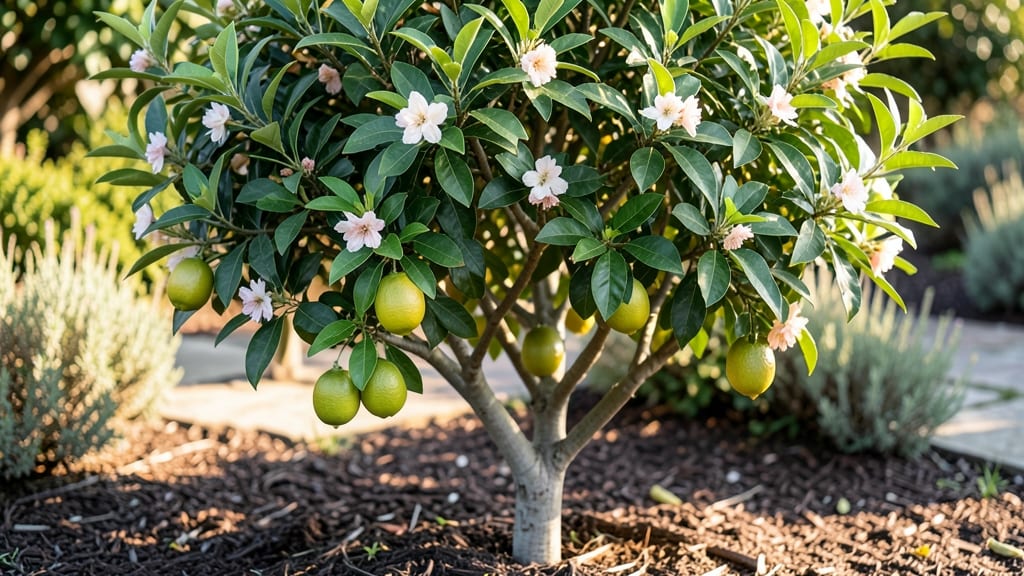
Growing a bergamot lemon plant means waking up to a kitchen filled with that intoxicating citrus aroma—like Earl Grey tea and summer in one. 🌿 Whether you're growing the fragrant Monarda (bee balm) or the true Citrus bergamia (bergamot orange), the key is matching their needs to your climate.
I’ve grown both, and the secret isn’t complicated: light, soil, and a little patience. For Monarda, a sunny spot with well-draining soil and regular watering keeps those lavender-pink blooms coming all summer.
The true citrus, though, is a tropical diva—it thrives indoors near a bright window or outdoors in zones 9-11, where it can bask in warmth year-round. Both love humidity, so misting or a pebble tray helps in dry climates.
You’ll know you’re doing it right when the leaves release that signature bergamot scent at the slightest touch. Prune Monarda back in early spring to encourage bushier growth, while citrus needs a gentle trim only to shape it. The biggest mistake?
Overwatering—root rot is the silent killer of both. Whether you’re growing for fragrance, tea, or just the joy of watching it thrive, these tips will keep your bergamot lemon plant happy and productive. Let’s get those leaves smelling like sunshine!
📚 In This Guide
- What you need
- Instructions
- Tips and common mistakes
- Wrapping up and next steps
What you need
- ● Bergamot lemon plant: A healthy 1- to 3-year-old sapling (available at nurseries or online citrus specialty stores).
- ● Pot or container: A 12- to 18-inch diameter pot with drainage holes (terracotta or ceramic works best).
- ● Well-draining potting mix: A blend of 50% citrus-specific soil, 30% perlite or pumice, and 20% compost (avoid garden soil—it compacts and retains too much moisture).
- ● Drainage tray: To catch excess water and prevent root rot.
- ● Fertilizer: A balanced citrus fertilizer (6-6-6 or 8-3-9 ratio) or organic options like fish emulsion or worm castings.
- ● Watering can with a narrow spout: For precise watering without disturbing the soil.
- ● Pruning shears or sharp scissors: Sterilized to avoid disease transmission.
- ○ Mulch (optional but helpful): A thin layer of orchid bark or pine needles to retain moisture and regulate temperature.
- ● Sunlight: A location with 6+ hours of direct sunlight daily (south- or west-facing windows or a greenhouse).
- ● Temperature: Ideal range of 60–85°F (15–30°C). Avoid drafts or temperatures below 40°F (4°C).
- ● Humidity: Moderate to high (40–60%). Use a humidifier or pebble tray if your home is dry.
- ● Patience: Bergamot lemons take 3–5 years to bear fruit, but the fragrant leaves are worth the wait!
- ● Grow lights: LED full-spectrum bulbs for supplementing light in low-light areas.
- ● Citrus food (like Epsom salt): A magnesium boost to prevent yellowing leaves.
- ● Pest control: Neem oil or insecticidal soap for aphids or scale.
- ● Second pot: For layering (air layering) if you want to propagate your plant.
Step-by-step guide to growing a thriving bergamot lemon plant
Here's how to cultivate this fragrant citrus relative with minimal fuss—your kitchen will smell amazing.
🌱 Step 1: Select the Right Plant and Pot
Bergamot lemon plants (Citrus bergamia) are evergreen shrubs that thrive in containers, making them perfect for patios or sunny windowsills. Choose a 4-6 inch pot with drainage holes—terracotta works best because it breathes and prevents root rot. I always pick a pot 2-3 inches larger than the plant's root ball to give roots room to spread without overwhelming the plant.
Fill the pot with well-draining potting mix (avoid garden soil—it compacts and suffocates roots). Mix in 20% perlite or coarse sand to improve drainage. The key here is preventing soggy soil, which bergamot lemons hate. Press the mix down gently but don't compact it—you want it loose enough for roots to penetrate easily.
☀️ Step 2: Position for Light and Temperature
Bergamot lemons need bright, indirect light for at least 6-8 hours daily. A south- or west-facing window is ideal, but avoid harsh afternoon sun, which can scorch the glossy leaves. If your space is low-light, supplement with a grow light kept 6-12 inches away—just enough to keep the leaves vibrant green, not pale or stretched.
Keep temperatures between 60-75°F during the day and 55-65°F at night. Below 50°F, growth slows dramatically, and leaves may yellow. If you're in a cooler climate, move the plant indoors during winter or use a space heater near the pot (just don’t let it blow directly on the plant).
💧 Step 3: Water and Feed for Optimal Growth
Water when the top inch of soil feels dry—stick your finger in to check. Bergamot lemons prefer consistent moisture but despise soggy roots. I water deeply until it drains from the bottom, then empty the saucer to prevent salt buildup. Overwatering is the #1 killer, so err on the side of underwatering if you're unsure.
Feed every 4-6 weeks during spring and summer with a balanced citrus fertilizer (look for one with equal NPK ratios like 6-6-6). Reduce feeding in fall and winter—these plants are semi-dormant then. You'll know it's working when new leaves appear bright green and slightly waxy, and the plant puts out small, fragrant white flowers in spring.
✂️ Step 4: Prune and Maintain Year-Round
Prune in late winter or early spring before new growth starts. Cut back overly long branches by one-third to encourage bushier growth. Use clean, sharp pruners and make cuts just above a leaf node (the bump where leaves attach). This prevents unsightly stubs and promotes healing. I also remove any dead, yellow, or crossing branches to keep airflow circulating.
Wipe leaves monthly with a damp cloth to remove dust—bergamot lemons have tiny pores that need to breathe. If pests like scale or spider mites appear, treat with neem oil (mix 1 tsp per quart of water) and spray until leaves glisten. Prevention is easier than cure, so I inspect the undersides of leaves weekly during warm months.
🌿 Step 5: Harvest and Enjoy the Fragrance
Bergamot lemons produce small, round fruits that ripen yellow-green in 12-18 months (yes, patience is key!). Harvest when they’re slightly soft to the touch and release a strong citrus scent when gently squeezed. The real magic? The leaves and flowers—crush a few in your hands for an instant burst of Earl Grey tea fragrance. I keep a small pot by my kitchen window for this very reason.
To propagate, take 4-6 inch cuttings in spring, dip in rooting hormone, and plant in moist perlite. Keep them warm and humid (a plastic bag over the pot helps) until roots form in 4-6 weeks. Once established, these cuttings make great gifts—or replacements if your original plant outgrows its pot.
Tips & tricks for perfect bergamot lemon plant care
Here's what I've learned after years of growing these fragrant citrus beauties—simple secrets that make all the difference.
Container Size Matters: That 4-6 inch pot recommendation isn't just about aesthetics—it's about root health. I've seen beginners choose pots that are too large, and the soil stays damp too long, leading to root rot. The 2-3 inch larger rule gives roots room to spread without overwhelming the plant, and terracotta's breathability helps prevent soggy soil. If you're growing a mature plant, upgrade to a pot that's just 2-3 inches larger than the root ball, and always use pots with drainage holes.
Lighting Strategy: The 6-8 hours of bright, indirect light is non-negotiable, but here's the trick: rotate your plant every 2-3 weeks so all sides get even exposure. I notice this especially in my west-facing window—one side gets more intense afternoon light. Also, if you're using grow lights, keep them 6-12 inches away and use a timer for 12-14 hours of light per day to mimic natural daylight cycles. This prevents the leggy growth that happens when plants stretch toward light.
Watering Wisdom: The top inch dry test is foolproof, but I've found checking soil moisture at different times of day makes a difference. In the morning, the top inch might be dry, but by afternoon, the plant may have absorbed enough water. Check again in the evening—this is when most plants drink up water. And here's a pro move: use room-temperature water to avoid shocking the roots. Cold water can cause stress, especially in cooler months.
Pruning Precision: When you're cutting back those overly long branches by one-third in late winter, look for the leaf nodes—the small bumps where leaves attach. Make your cuts just above these nodes at a 45-degree angle to prevent water from pooling. I always sterilize my pruners with rubbing alcohol between cuts to prevent disease spread. And don't be afraid to prune aggressively—these plants bounce back beautifully with proper care.
Pro Tips for Bergamot Lemon Plant
- Here's what I've learned after years of growing these fragrant citrus beauties—simple secrets that make all the difference.
- Container Size Matters: That 4-6 inch pot recommendation isn't just about aesthetics—it's about root health.
- Lighting Strategy: The 6-8 hours of bright, indirect light is non-negotiable, but here's the trick: rotate your plant every 2-3 weeks so all sides get even exposure.
Frequently asked questions
How often should I water my bergamot lemon plant?
Water your bergamot lemon plant when the top 1–2 inches of soil feel dry—usually every 5–7 days in warm weather. In winter or cooler climates, reduce to every 2–3 weeks. Overwatering is a common killer, so always check moisture before adding more! Pro tip: Use well-draining soil and a pot with drainage holes to avoid soggy roots.
Can bergamot lemon plants survive winter outdoors?
Most bergamot lemon plants are tender perennials and need protection from frost. If you live in USDA Zones 9–11, they can stay outside year-round. In colder zones, move potted plants indoors or wrap them in burlap and mulch for winter. A sunny windowsill or greenhouse works well for overwintering!
How do I know if my bergamot lemon is ripe?
Ripe bergamot lemons are bright yellow-green (not fully yellow like lemons) and slightly soft to the touch. They’ll also have a strong citrusy aroma when gently squeezed. If they’re hard and lack scent, they’re not ready yet—give them a few more weeks in warm conditions.
What can I do if my bergamot lemon plant isn’t flowering?
Lack of flowers? Your plant might need more sunlight (6+ hours/day), balanced fertilizer (low nitrogen, high phosphorus/potassium), or a winter rest period (reduce water/fertilizer in cooler months). Prune leggy growth and ensure good airflow to encourage blooming. Patience helps—some plants take 2–3 years to flower!
Are there any easy alternatives to bergamot lemon for beginners?
If bergamot lemons seem tricky, try these low-maintenance citrus hybrids:
- Meyer lemon: Sweeter, cold-hardier, and more forgiving.
- Calamondin orange: Compact, fragrant, and great for containers.
- Kumquat: Tiny, edible fruit and drought-tolerant.
Wrapping up and next steps
Growing a bergamot lemon plant is a rewarding journey that brings fragrant blooms and zesty fruits to your space. Whether you’re a seasoned gardener or just starting, this versatile citrus variety thrives with the right care—sunlight, well-draining soil, and a little patience.
Now that you’re armed with tips on planting, pruning, and troubleshooting, why not take the next step?
Start small—propagate a cutting or buy a young plant, and watch your citrus garden flourish! Share your progress with fellow plant lovers or experiment with bergamot’s culinary and aromatic uses. Your green thumb is ready—let’s grow something amazing together! 🌱✨