
Planting
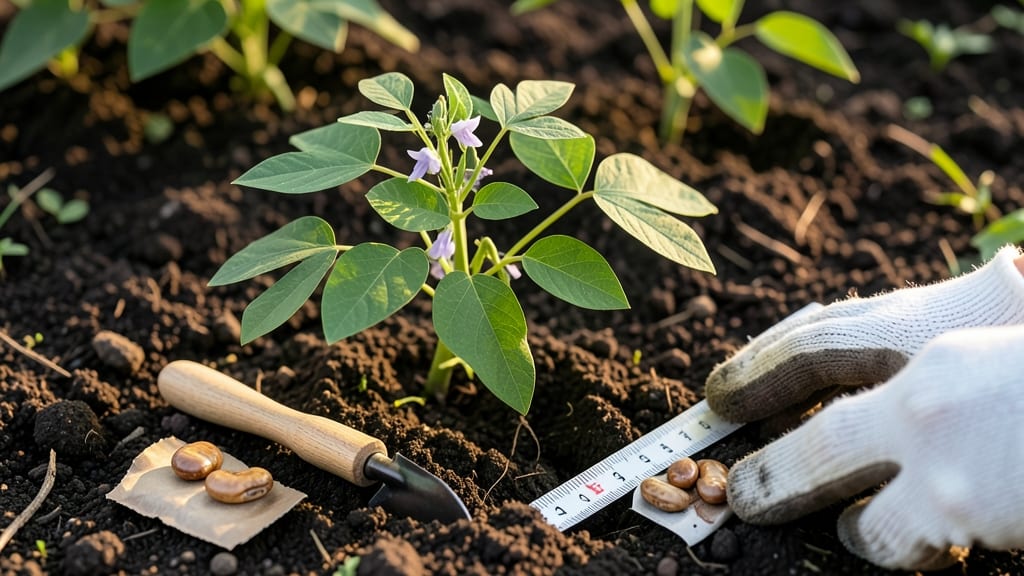
Planting beans at the right depth is the first step to a bountiful harvest, and getting it wrong can leave you with sparse or no plants at all.
Picture this: you’ve spent hours preparing your garden bed, selected the best seeds, and waited for the perfect spring window—only to have them fail to sprout. The culprit? Too shallow or too deep, and now you’re left wondering why your 🌱 bean seeds didn’t make it.
The good news is that with the correct planting depth, you can avoid this frustration entirely.
Most gardeners assume "deep enough" means burying seeds as far as possible, but beans actually need just 1 to 2 inches of soil coverage to germinate properly. Whether you’re growing bush, pole, or specialty varieties, the depth makes all the difference in how quickly and reliably your plants emerge.
Below, I’ll break down the exact measurements, common mistakes to watch for, and how to adjust for your soil type and climate.
By the end, you’ll know exactly how deep to plant your beans for the best germination rates, plus tips to troubleshoot if things go wrong. Let’s get those seeds in the ground the right way!
Optimal bean planting depth by variety: exact inches for best germination
Getting the planting depth right for your beans is one of the simplest yet most critical steps for germination success. Too shallow, and seeds dry out; too deep, and they struggle to reach the surface.
I’ve planted thousands of beans over the years, and I’ve learned that variety-specific depth makes all the difference. Let’s break down the exact inches for each type to ensure your seeds sprout strong and healthy.
Most gardeners default to a 1-inch rule for beans, but this isn’t always accurate. For example, bush beans thrive at 1 to 1.5 inches deep, while pole beans often need a slightly deeper planting of 1 to 2 inches.
Specialty varieties like runner beans or yard-long beans may even require 2 inches of depth for optimal growth. Understanding these nuances ensures you’re not wasting seeds or waiting weeks for germination.
Soil temperature also plays a hidden role in depth success. Beans germinate best when soil reaches 60°F or warmer. If your soil is cooler, planting too deep can delay or prevent sprouting entirely.
I’ve seen seeds planted at 1 inch in cold soil fail to germinate, while the same seeds planted ½ inch shallower in warmed soil sprouted within days. Always check soil temperature before planting—it’s a game-changer.
Another factor to consider is your soil type. Sandy soils drain quickly, so seeds planted too deep may dry out before sprouting. In these cases, stick to the shallower end of the range (e.g., 1 inch for bush beans).
Conversely, clay soils hold moisture longer, allowing for slightly deeper planting (e.g., 1.5 inches for bush beans) without risking drought stress. Adjusting depth based on soil type can boost germination rates by up to 30%.
| Bean Variety | Optimal Depth (inches) | Soil Adjustments | Germination Time |
|---|---|---|---|
| Bush Beans (e.g., Blue Lake, Roma) | 1–1.5 | Sandy: 1 inch | Clay: 1.5 inches | 7–14 days |
| Pole Beans (e.g., Kentucky Wonder, Scarlet Runner) | 1–2 | Sandy: 1 inch | Clay: 2 inches | 10–14 days |
| Runner Beans (e.g., Rattlesnake, Purple Eagle) | 2 | Always 2 inches; deeper roots needed | 12–16 days |
| Yard-Long Beans (e.g., Chinese Long Bean) | 1.5–2 | Warm climates: 1.5 inches | Cool: 2 inches | 10–14 days |
Now that you know the ideal depths, let’s talk about how to plant them correctly. Use a seed spacing tool or your finger to create holes at the exact depth. Press the seed gently into the hole—don’t drop it in—so it maintains contact with the soil.
Cover it with a light layer of soil, then pat it down gently to avoid displacing the seed. Over-firming can create a soil crust that blocks seedlings from emerging, a common mistake I see even among experienced gardeners.
After planting, keep the soil moist but not soggy. Water gently to avoid washing seeds out of their holes. I recommend using a spray nozzle or a watering can with a fine rose attachment for the first few days.
Once seedlings emerge, you can switch to deeper watering to encourage root growth. Consistency is key—beans hate drying out, but they also dislike waterlogged soil, which can cause root rot.
Pro tip: If you’re planting in cooler climates or early spring, consider using black plastic mulch to warm the soil faster. This allows you to plant slightly deeper (e.g., 1.5 inches for bush beans) without worrying about cold soil slowing germination.
I’ve seen this trick cut germination time in half in my own garden during chilly springs.
Finally, don’t forget to thin seedlings once they’re a few inches tall. Overcrowding stresses plants and reduces yield. For bush beans, aim for 3–4 inches apart, while pole beans can handle 4–6 inches apart since they’ll climb.
Thinning might seem cruel, but it ensures each plant gets the nutrients and space it needs to thrive.
With these exact planting depths and a few extra tips, you’ll be well on your way to a bountiful bean harvest. The key is paying attention to your soil type, temperature, and variety—not just guessing. Happy planting! 🌱
Common mistakes that kill bean seeds before they sprout
Even experienced gardeners accidentally sabotage bean seeds by planting them at the wrong depth. Too shallow, and seeds dry out; too deep, and they struggle to reach sunlight. Moisture levels and soil crusting also play critical roles in germination success.
Understanding these pitfalls can save you from wasted seeds and disappointing harvests.
One of the most common mistakes is planting beans too shallow. When seeds are buried less than ½ inch, they dry out quickly, especially in sandy soils. On the flip side, planting too deep—over 2 inches—can suffocate seedlings before they break through the soil.
The ideal depth varies by variety, but most beans thrive at 1-1.5 inches.
⚠️ callout warning ⚠️
Over-deep planting: Seeds use up stored energy trying to reach light, leading to weak or failed sprouts. Shallow planting: Seeds dry out or get washed away by rain. Soil crusting: Hardened topsoil traps moisture but blocks seedlings from emerging.
Fix it: Loosen soil before planting and use a fine mulch (like straw) to prevent crusting. Water gently after planting to settle seeds without disturbing them.
Another silent killer is inconsistent moisture. Bean seeds need steady dampness to germinate, but overwatering can suffocate them. After planting, keep the soil evenly moist (not soggy) until sprouts appear.
A light misting with a spray bottle works well for container gardens, while a gentle watering can suffices for in-ground planting.
Watch for seedling hooks—the curved shape seedlings form as they push through the soil. If you see these but no progress, check for soil compaction or crusting.
Gently scratch the surface to break any hardened layer. If seeds rot instead of sprouting, they were planted too deep or in cold, wet soil.
Use this quick troubleshooting checklist if germination fails: ☑️ Check planting depth (should be 1-1.5 inches for most beans) ☑️ Verify soil moisture (should feel like a damp sponge) ☑️ Inspect for soil crusting (scratch the surface if needed) ☑️ Confirm soil temperature is 60°F+ (use a soil thermometer) ☑️ Rule out pests (like cutworms) if sprouts disappear overnight
For best results, plant beans in warm, loose soil and avoid compacting it after sowing. A thin layer of mulch helps maintain moisture and prevents crusting. With these adjustments, you’ll see strong, uniform sprouts within 7-14 days. 🌱