
Planting
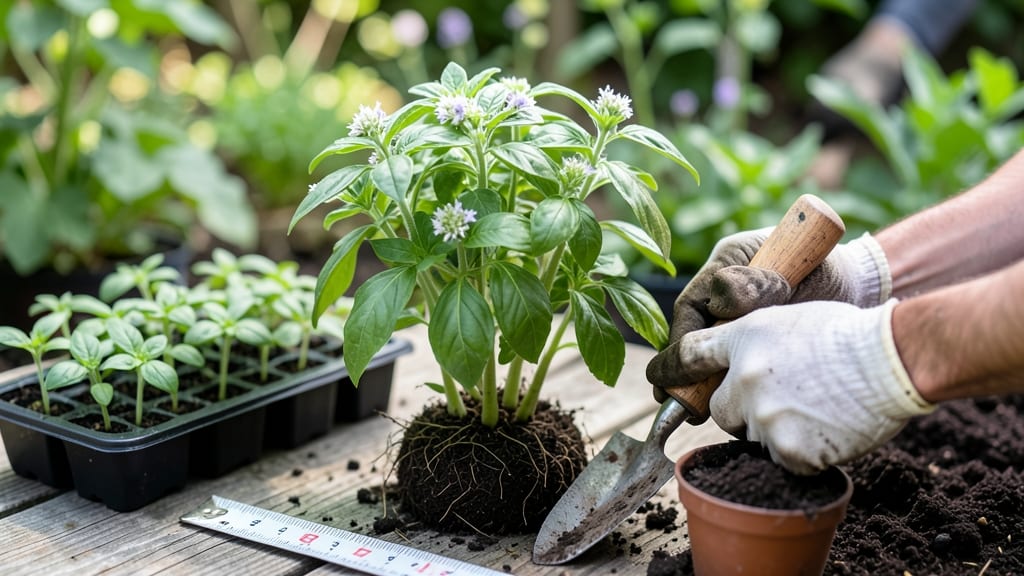
Planting basil too deep stunts its growth and weakens the roots 🌿 — the right depth is the difference between a thriving herb and a sad, leggy plant.
You’ve probably watched your basil struggle to stand upright, only to wonder why it just won’t grow strong. The answer lies in how deep those roots go, and most gardeners get it wrong.
Whether you’re starting from seeds or transplanting seedlings, getting the depth right ensures your basil thrives from day one.
Too shallow, and the roots won’t anchor properly; too deep, and the plant suffocates. The ideal planting depth for basil is ¼ to ½ inch deep for seeds and just below the soil line for seedlings—no deeper.
This balance keeps the roots happy while giving the plant room to stretch toward the sun.
In this guide, I’ll break down the exact spacing rules for basil, common mistakes to avoid, and pro tips for stronger growth. By the end, you’ll know how to plant basil so it grows like a weed—because that’s what it’s supposed to do.
Optimal basil planting depth for maximum root development
Getting your basil planting depth right is the foundation for a thriving herb garden. Whether you're starting with seeds or transplanting seedlings, the correct depth ensures strong root development, better nutrient uptake, and higher yields.
Let’s dig into the science behind perfect planting depth for both in-ground and container growing.
Basil roots are delicate but vigorous once established. Planting too deep can suffocate seedlings, while planting too shallow leaves them vulnerable to drying out. The ideal planting depth balances moisture retention with oxygen flow to the roots.
For seeds, this means light coverage, while seedlings need slightly deeper placement to stabilize their root systems.
Soil temperature and moisture retention are critical factors. Basil thrives in soil that stays between 50-75°F (10-24°C). Too cold slows germination, while overly wet soil can cause rot. Aim for well-draining soil with organic matter to create the perfect root zone. Containers and in-ground beds both require slightly different approaches to achieve this balance.
Here’s a quick reference for optimal planting depths and conditions:
| Planting Type | Depth Requirement | Spacing | Soil Temp | Moisture Needs |
|---|---|---|---|---|
| Basil Seeds | ¼ inch (0.6 cm) deep | 12-18 inches apart | 50-75°F (10-24°C) | Keep moist, not soggy |
| Basil Seedlings | Same depth as container | 10-12 inches apart | 55-70°F (13-21°C) | Consistent moisture |
| Container Grown | 1-2 inches from pot edge | 1 plant per 6-inch pot | 60-75°F (16-24°C) | Daily watering |
| In-Ground Beds | 1-2 inches deep | 12-18 inches apart | 55-70°F (13-21°C) | 1 inch water/week |
For basil seeds, plant them ¼ inch deep in loose, well-aerated soil. This shallow depth allows sunlight to reach the seedlings, encouraging strong stems. Use a fine mist to keep the soil moist until germination, which typically occurs in 7-14 days under ideal conditions.
If you’re sowing directly in containers, ensure the pot has drainage holes to prevent waterlogging.
When transplanting basil seedlings, match the planting depth to their container level. Burying the stem too deep can cause stem rot, while planting too shallow exposes roots to drying.
Gently loosen the root ball before placing it in the ground or pot to encourage new root growth. Space seedlings 10-12 inches apart to allow airflow and reduce disease risk.
In container gardens, basil thrives in pots with at least 6 inches of depth. Use a high-quality potting mix with perlite or vermiculite to improve drainage.
Containers dry out faster than in-ground beds, so monitor soil moisture closely. A mulch layer on top helps retain moisture and regulate soil temperature, especially in hot climates.
For in-ground planting, amend the soil with compost or aged manure to enrich the root zone. Basil prefers slightly acidic to neutral soil with a pH of 6.0-7.0. Work the soil to a depth of 12 inches to ensure roots have space to expand.
If your soil is heavy clay, consider raised beds to improve drainage and root penetration.
After planting, water deeply to settle the soil around the roots. Avoid overhead watering, which can spread disease. Instead, use a drip irrigation system or water at the base of the plant.
Consistency is key—basil roots prefer even moisture over fluctuating conditions. Mulching with straw or shredded leaves helps maintain stable soil moisture and temperature.
Monitor your basil plants for signs of stress, such as yellowing leaves or stunted growth. These can indicate overwatering, underwatering, or poor root development. Adjust your care routine accordingly, and remember that proper planting depth is the first step toward a bountiful harvest.
With the right technique, your basil will reward you with vibrant growth and abundant leaves for cooking and garnishes.
Common mistakes in basil planting depth (and how to fix them)
Over-planting your basil or burying it too deep can stunt growth and reduce yields. Many gardeners accidentally crowd seedlings or plant them too deeply, thinking it will help stability. However, improper planting depth often leads to weak stems, poor root development, and even rot.
Let’s identify these common mistakes and learn how to correct them for healthier basil plants.
One frequent error is planting basil seeds too shallow, which causes uneven germination. Seeds need just enough soil coverage—about ¼ inch deep—to stay moist while still allowing sunlight to reach them.
Seedlings, on the other hand, often get buried too deep, which can suffocate the stem and prevent proper root establishment. Both extremes disrupt the plant’s natural growth rhythm.
Another issue is soil compaction around the roots after planting. When soil is packed down too firmly, it restricts airflow and water absorption. This leads to slow growth and increases the risk of root rot.
Proper spacing and gentle soil handling are key to avoiding this problem. Let’s dive into specific fixes for each mistake.
⚠️ Watch for These Red Flags
- Yellowing leaves → Sign of overwatering or poor drainage from improper depth.
- Stunted growth → Roots may be smothered or buried too deep.
- Wilting stems → Could indicate soil compaction or insufficient airflow.
Fix these issues by adjusting planting depth, loosening soil, and ensuring proper spacing for basil roots to thrive.
If your basil seedlings are planted too deeply, gently lift the plant and replant it so only the lower half of the stem is buried. This ensures the roots have room to expand while keeping the stem stable.
For seeds, avoid pressing them into the soil—lightly cover them and keep the soil moist until germination. Proper depth is crucial for both seeds and seedlings to establish strong root systems.
For container-grown basil, spacing is just as critical as depth. Crowded plants compete for nutrients and sunlight, leading to leggy growth and fewer leaves. Space seedlings 8-12 inches apart in containers or in-ground beds.
This gives each plant enough room to develop a robust root system and prevents disease spread from poor airflow.
To prevent soil compaction, avoid walking on freshly planted beds or using heavy tools. Instead, use a garden fork to loosen the soil before planting and gently pat it down after.
Mulching around the base of your basil can also help retain moisture and reduce compaction over time. These small adjustments make a big difference in your basil’s health.
By correcting these common mistakes, your basil plants will grow stronger, produce more leaves, and stay healthier throughout the season. Pay close attention to planting depth, spacing, and soil conditions—your herb garden will thank you with a bountiful harvest! 🌿