
Planting
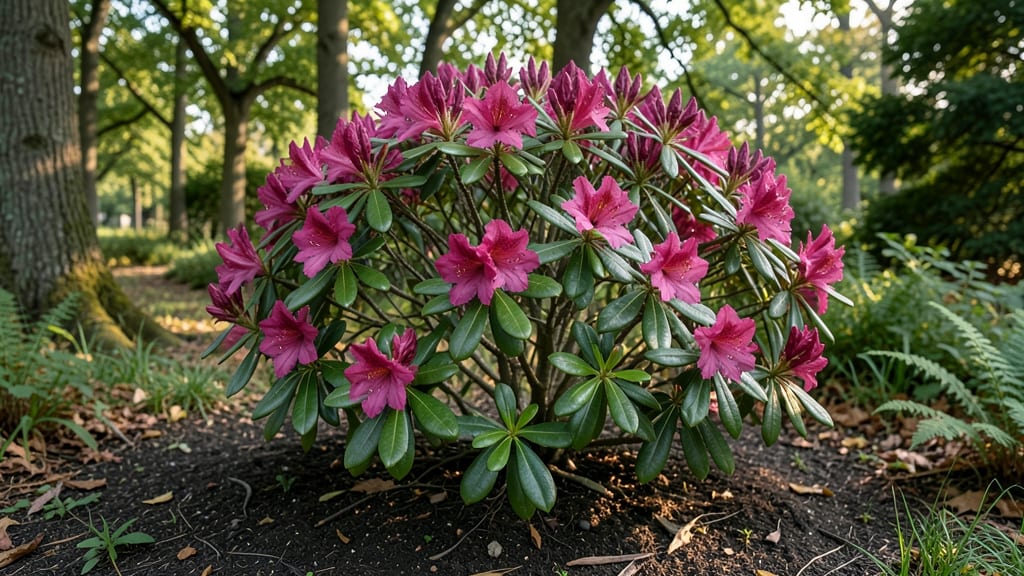
Growing azaleas in shade isn't just possible—it's where they truly shine. 🌿 I've watched my shade-loving azaleas thrive for years, their glossy leaves and vibrant blooms proving that these plants don't need harsh sunlight to put on a show.
The secret lies in understanding their natural habitat and mimicking those conditions in your yard. Most people assume azaleas need full sun, but in reality, they prefer dappled shade—think morning sunlight with afternoon relief from direct rays.
Your soil should be acidic (pH 4.5-6.0) and well-draining, with plenty of organic matter mixed in. The right conditions mean fewer pests, healthier roots, and blooms that last from spring through summer. What you'll love most is how low-maintenance these plants become once established.
With proper watering (keep soil consistently moist but not soggy) and an annual feeding of acid-loving plant fertilizer, your azaleas will reward you with season-after-season color that brightens even the shadiest corners of your garden.
The key to troubleshooting common issues like yellowing leaves or sparse blooms is adjusting shade levels or soil pH. Too much shade? Prune nearby trees. Soil too alkaline? Add sulfur or peat moss.
With these simple tweaks, you'll have azaleas that look like they've been growing wild in a forest—without the wild part.
📚 In This Guide
- What you need
- Instructions
- Tips and common mistakes
- Wrapping up and next steps
What you need
- ● Azalea plants: 2–5 nursery-grown azaleas (choose evergreen or deciduous varieties like Rhododendron simsii or Rhododendron catawbiense for shade tolerance).
- ● Well-draining acidic soil: 5–10 bags (50 lbs each) of peat moss or pine bark fines (pH 4.5–6.0). Mix with native soil in a 1:1 ratio.
- ● Organic mulch: 2–3 cubic feet of pine straw or wood chips (avoid cedar mulch—it’s toxic!).
- ● Slow-release fertilizer: 1–2 lbs of azalea-specific fertilizer (10-10-10 or 8-3-9 NPK ratio, acidic formula).
- ● Watering can or hose with a gentle spray nozzle: 1–2 gallons capacity for deep watering.
- ● Garden gloves and trowel: 1 pair and 1 medium-sized trowel (for planting and soil prep).
- ● Soil pH test kit: To confirm acidity levels (aim for below 6.0).
- ● Pruning shears: Sharp, clean pair for shaping or removing dead blooms.
- ● Drip irrigation system: For consistent moisture (especially in hot, dry shade).
- ● Shade cloth (30–50% coverage): If your azaleas are in partial shade and need extra protection from harsh afternoon sun.
- ● Decorative rocks or bark: For a polished, low-maintenance look around the base.
Step-by-Step guide to growing healthy azaleas in shade
Azaleas thrive in shade but need the right care to stay lush and blooming. Here’s how to keep them happy with minimal fuss.
🌿 Step 1: Choose the Perfect Shady Spot
Azaleas love partial shade—think morning sun and afternoon shade or dappled light under trees. Avoid deep, dark corners where they’ll struggle to bloom. Look for spots with 4-6 hours of filtered sunlight daily and protection from harsh afternoon rays.
Test your spot by observing how light moves through it. If leaves stay dark green year-round, that’s ideal. If they look pale or stretch toward light, the area gets too much sun. I always check for moisture too—azaleas hate soggy roots, so avoid low-lying areas where water pools.
🪴 Step 2: Plant in Acidic, Well-Draining Soil
Dig a hole twice as wide as the root ball but no deeper—azaleas hate having their roots buried too deep. Mix the native soil with 2 parts peat moss or pine bark fines and 1 part perlite to improve drainage. This keeps roots aerated and prevents waterlogging, which causes root rot.
Azaleas demand acidic soil (pH 4.5-6.0). Test your soil with a kit before planting—if it’s alkaline, amend it with sulfur or pine needles. Gently loosen the root ball before placing it in the hole, then backfill with your amended mix. Water deeply to settle the soil around roots.
☀️ Step 3: Water Consistently Without Overdoing It
Azaleas need 1-1.5 inches of water weekly, but they’re sensitive to both drought and soggy soil. Water deeply 2-3 times per week instead of daily shallow watering. Check moisture by sticking your finger 2 inches into the soil—if it feels dry, it’s time to water.
Mulch heavily with 3-4 inches of pine bark or wood chips to retain moisture and regulate soil temperature. Keep mulch 2 inches away from the trunk to prevent rot. Avoid wetting the leaves when watering—this can cause fungal issues like powdery mildew. Water at the base in the early morning for best results.
✂️ Step 4: Prune After Blooming for Next Year’s Flowers
Prune azaleas right after flowering, when buds have faded but before new growth starts. Use clean, sharp pruners to cut back one-third of the oldest stems to encourage new growth. Avoid heavy pruning—it stresses the plant and reduces next year’s blooms.
Focus on shaping rather than thinning. Remove dead, crossing, or weak branches first, then trim back leggy stems to just above a leaf bud. Never prune in late summer or fall—this stimulates tender growth that won’t survive winter. I always sterilize my pruners with rubbing alcohol between cuts to prevent disease spread.
🌱 Step 5: Feed and Protect for Long-Term Health
Fertilize azaleas once in early spring with an acid-loving plant formula (look for one with high nitrogen for foliage or phosphorus for blooms). Follow package rates—over-fertilizing burns roots. I also top-dress with 1 inch of compost in spring to boost soil health without risking salt buildup.
Watch for pests like lace bugs or spider mites, which thrive on stressed azaleas. Spray with neem oil at the first sign of trouble. In winter, protect young plants from freezing winds with a burlap wrap or evergreen boughs. Mature azaleas handle cold well, but new growth is vulnerable to frost damage.
Tips & tricks for perfect azalea plant shade care
Between us, these little details make all the difference when growing azaleas in shade.
Light Observation Tip: The 4-6 hours of filtered sunlight mentioned in Step 1 is your golden window. Use a simple trick to test your spot: Place a white piece of paper on the ground where you're considering planting. If shadows are sharp and dark for more than 2 hours at a time, that's direct sun - move to a spot where shadows are soft and diffuse. I've learned this the hard way after watching azaleas struggle in spots that seemed "shady enough."
Soil Prep Secret: When amending soil in Step 2, don't just mix the peat moss and perlite - create a "soil sandwich." Place a 2-inch layer of your amended mix at the bottom of the planting hole, position the root ball on top, then fill the remaining space with more amended soil. This creates better drainage from the start and prevents root rot. The 2:1 ratio of peat moss to perlite is perfect for maintaining that critical pH 4.5-6.0 range.
Watering Wisdom: That 1-1.5 inches of water weekly in Step 3 might sound like a lot, but here's how to make it work: Use a rain gauge or even a tuna can buried in the soil to measure exactly 1.5 inches. Water slowly until it reaches that depth - this ensures the water penetrates deeply rather than just wetting the surface. I've found that watering at the base in the morning gives roots time to absorb moisture before the heat of the day.
Pruning Precision: When you're cutting back one-third of the oldest stems in Step 4, aim to remove stems that are thicker than a pencil. These older stems are the first to become woody and less productive. Make your cuts just above a leaf bud that faces outward - this encourages new growth in the right direction. I always sterilize my pruners with rubbing alcohol between cuts, and I've noticed this dramatically reduces disease issues in my azaleas.
Pro Tips for Azalea Plant Shade
- Between us, these little details make all the difference when growing azaleas in shade.
- Light Observation Tip: The 4-6 hours of filtered sunlight mentioned in Step 1 is your golden window.
- Soil Prep Secret: When amending soil in Step 2, don't just mix the peat moss and perlite - create a "soil sandwich."
Frequently asked questions
Got questions about keeping your azaleas happy in the shade?
Here are answers to the most common ones—so you can enjoy lush blooms with minimal stress!
Can azaleas grow in full shade all year?
While azaleas prefer partial shade (4–6 hours of dappled light), they can survive in full shade—especially in cooler climates. However, expect fewer blooms and slower growth. If your yard is fully shaded, choose evergreen azaleas (like Rhododendron obtusum) or opt for shade-tolerant varieties like 'Hino Crimson' or 'Southern Indica'.
How long does it take for azaleas to adjust to shade?
Azaleas are adaptable but may take 1–2 seasons to fully adjust to a new shaded spot. Watch for signs like yellowing leaves or sparse blooms—these could mean they need more light or better drainage. Gradually move them to a sunnier spot if needed, or prune nearby trees to increase light exposure over time.
Why are my shade-grown azaleas losing leaves?
Leaf drop in shade can stem from overwatering, poor drainage, or nutrient deficiency. Check the soil—it should stay moist but not soggy. Amend heavy clay with compost and mulch to retain moisture. If leaves turn yellow, test for iron or nitrogen deficiency and fertilize with an acid-loving plant formula in early spring.
Do azaleas in shade still bloom as well?
Blooms may be smaller or less frequent in deep shade, but evergreen azaleas can still produce stunning flowers! To encourage blooms, ensure they get at least 3–4 hours of morning sun and avoid over-fertilizing with high-nitrogen feeds. Prune in late winter/early spring to remove dead wood and open the canopy for better light penetration.
What’s a good shade-loving alternative to azaleas?
If azaleas seem too fussy for your shade garden, try these low-maintenance, shade-tolerant plants:
- Hydrangeas (especially oakleaf or panicle types)
- Caladiums (for bold foliage and tropical vibes)
- Ferns (like maidenhair or Boston ferns for texture)
- Heuchera (coral bells for colorful leaves)
- Japanese maples (dramatic foliage with minimal care)
Wrapping up and next steps
Growing azaleas in shade isn’t just possible—it’s a rewarding way to enjoy vibrant blooms with minimal fuss! 🌿 These hardy plants thrive in dappled light, making them perfect for shady gardens, patios, or even containers.
With the right soil, watering routine, and a touch of winter care, your azaleas will reward you with stunning seasonal color year after year.
Ready to take the next step? Pick your favorite azalea variety, grab your gloves, and start planting—your shady garden oasis awaits! 🌸 For extra inspiration, browse shade-friendly companion plants or check out local nurseries for expert tips.