
Planting
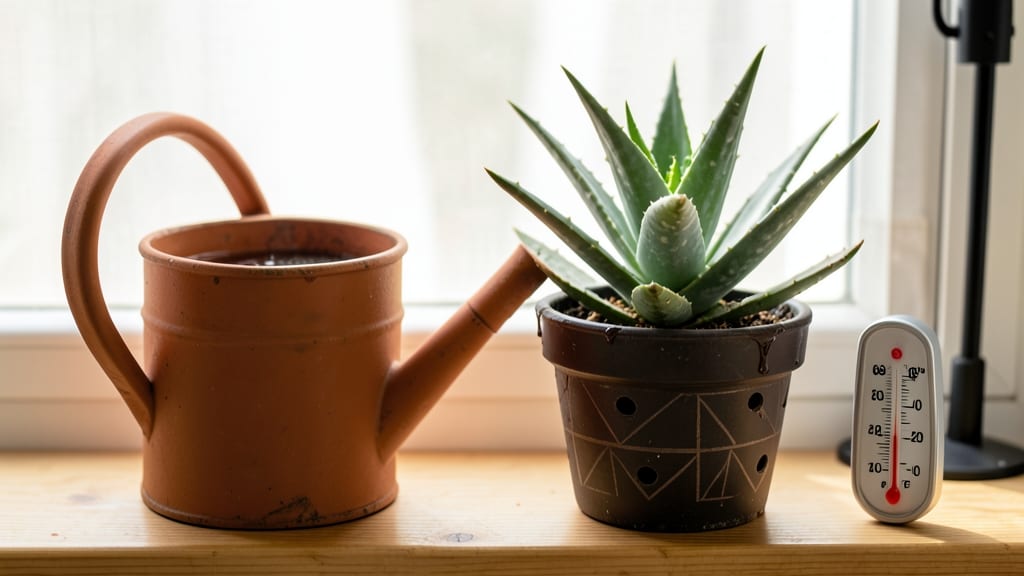
Your aloe plant care in winter might seem tricky—but don’t worry, it’s not dying. 🌱 I’ve kept mine thriving through chilly months by adjusting just three things: water, light, and warmth, and I’ll show you exactly how to do it without turning your home into a greenhouse.
Aloe plants need less water in winter because growth slows, and soggy soil can rot roots. Let the top 2 inches dry out completely between waterings, and move it away from drafty windows or cold walls.
Most indoor aloe plants need bright, indirect light—if yours looks leggy, it’s stretching for more.
With the right care, your aloe will bounce back in spring with plump, green leaves and maybe even a few new pups. The key is patience—don’t overwater, and keep it in a spot where temperatures stay above 50°F.
Outdoor aloe? Bring it inside before temps drop below freezing—even a light frost can damage leaves. If yours looks stressed, trim dead tips and give it a few weeks of adjusted care before expecting new growth.
📚 In This Guide
- What you need
- Instructions
- Tips and common mistakes
- Wrapping up and next steps
What you need
- ● 1–2 aloe plants (potted, 6+ inches tall for best resilience)
- ● Well-draining potting mix (cactus/succulent blend, 1 bag, 1–2 cubic feet)
- ● Pot with drainage holes (terracotta or ceramic, 1–2 inches larger than the root ball)
- ● Gravel or perlite (for drainage layer, 1 cup)
- ● Watering can with a narrow spout (to avoid overwatering)
- ● Pruning shears or clean scissors (for trimming dead leaves)
- ○ Humidity tray or pebble tray (optional, for 20–30% humidity boost)
- ○ Grow lights (LED, full-spectrum) (optional, 12–14 hours/day if natural light drops below 6 hours)
- ○ Thermometer/hygrometer (optional, to monitor ideal temps: 55–75°F)
- ● Mulch or frost cloth (if moving outdoors, lightweight, breathable)
Step-by-Step aloe plant care for winter survival
Winter stress is the #1 killer of houseplants—but aloe thrives with just a few simple adjustments.
🌱 Step 1: Adjust Watering to Winter's Dry Heat
Your aloe's water needs drop dramatically in winter. Instead of watering every 2-3 weeks, wait until the top 3-4 inches of soil feel completely dry. Stick your finger in—if it comes out clean, it's time. Overwatering in winter causes root rot, which kills aloe faster than cold drafts ever could.
Here's the thing—indoor heating creates dry air that mimics desert conditions, but your aloe still needs moisture balance. I like to water in the morning so any excess drains away by night. If your home runs very dry, consider a small humidifier nearby (but not too close—aloe hates soggy leaves).
☀️ Step 2: Optimize Light Exposure for Winter Weakness
Aloe needs bright, indirect light year-round, but winter's shorter days make this critical. Move your plant within 2 feet of the brightest window—south-facing is ideal. You'll see leggy growth if it's too far away, with stems stretching toward the light and leaves spacing out.
If natural light is insufficient, supplement with a grow light for 12-14 hours daily. LED grow lights work best—position them 12 inches above the plant and raise them as the aloe grows. Watch for brown leaf tips, which signal too much direct sun or heat stress from the light.
🪴 Step 3: Protect From Cold Drafts and Temperature Shifts
Aloe thrives in 60-75°F temperatures, but winter drafts can drop soil temps dangerously. Keep your plant away from exterior walls, windows without insulation, and vents that blow cold air directly on it. I've seen aloe leaves develop cold spots that turn black and mushy—once that happens, the plant rarely recovers.
If you notice the soil feels cool to the touch (not just the air), move the pot to a warmer spot immediately. Grouping plants together creates a microclimate that stabilizes temperature. Just don't overcrowd—they still need airflow to prevent fungal issues.
✂️ Step 4: Prune and Inspect for Winter Stress
Use winter's slower growth period to do a thorough check. Remove any brown or yellow leaves at the base with clean, sharp scissors. These are dead weight that drain the plant's energy. I also trim off any pups that haven't rooted yet—unattached pups can dry out faster in winter air.
Inspect the soil surface for any signs of pests like mealybugs or scale. Winter stress makes aloe more vulnerable. Wipe leaves with a damp cloth to remove dust, which blocks light absorption. This is also the perfect time to repot if your aloe is root-bound—choose a pot just 1 inch larger in diameter than its current home.
⏰ Step 5: Fertilize Sparingly or Not at All
Winter is aloe's dormant season, and feeding it encourages weak growth. Skip fertilizer entirely unless you're under grow lights with 14+ hours of light daily. If you do fertilize, use a diluted houseplant fertilizer at half strength once in late winter (February). You'll know it's too much if new leaves appear pale or yellow.
I like to wait until I see new growth buds forming before adding any nutrients. This usually happens in early spring when days start lengthening. Remember—aloe stores water in its leaves, so it can survive months without fertilizer if conditions are right. The goal is to mimic its natural desert cycle.
Tips & tricks for perfect aloe plant care in winter
Here's what nobody tells you about keeping your aloe thriving when winter hits hardest.
Soil Test Trick: The finger test in Step 1 works best if you stick your finger in the soil up to your second knuckle—not just the surface. Aloe stores water in its leaves, so the soil should feel completely dry at this depth before watering. I've seen people overwater because they only checked the top inch, leading to root rot. If your soil feels damp past the first inch, wait another week.
Light Positioning: In Step 2, when you're checking that 2-foot window distance, pay attention to the time of day. Morning sun is gentler, while afternoon sun can be intense even in winter. Rotate your aloe a quarter turn every few weeks so all sides get even light exposure. This prevents uneven growth and those unsightly brown patches on one side.
Temperature Rescue: For Step 3's temperature range, I've found that placing your aloe on a ceramic tile or saucer helps insulate against cold drafts. If you notice the soil feels cool to the touch, move it immediately—aloe roots can't handle temperatures below 60°F. A simple trick is to place the pot on a wooden board or coaster to create a tiny buffer zone between the plant and cold surfaces.
Pruning Inspection: When doing your winter prune in Step 4, don't just cut off the obvious brown leaves. Look for leaves that are soft to the touch or have dark spots—they're already compromised. I like to keep a small spray bottle of diluted rubbing alcohol (1 part alcohol to 3 parts water) handy to wipe down the scissors between cuts. This prevents cross-contamination of any potential fungal spores.
Pro Tips for Aloe Plant Care Winter
- Here's what nobody tells you about keeping your aloe thriving when winter hits hardest.
- Soil Test Trick: The finger test in Step 1 works best if you stick your finger in the soil up to your second knuckle—not just the surface.
- Light Positioning: In Step 2, when you're checking that 2-foot window distance, pay attention to the time of day.
Frequently asked questions
Got questions about keeping your aloe happy during winter?
Here are the answers to the most common concerns—from frost fears to watering woes—so you can keep your plant thriving all season long.
Can aloe plants survive winter outdoors in cold climates?
Most aloe varieties are not frost-tolerant and will suffer damage below 30°F (-1°C). If you must keep them outside, move potted aloes indoors before temperatures drop, or protect them with frost cloth. For outdoor aloes in mild winters, mulch the base to insulate roots.
How often should I water my aloe plant in winter?
Winter slows growth, so reduce watering to every 3-4 weeks—only when the soil is completely dry. Overwatering in cold weather leads to root rot. Stick your finger 2 inches deep; if dry, it’s time to water. Less is always better!
What are the signs my aloe plant is struggling in winter?
Watch for yellowing leaves (overwatering), wrinkled or mushy leaves (underwatering or cold stress), or brown tips (low humidity). Move the plant to a warmer spot near a south-facing window (60–75°F) and avoid drafts. Aloe is tough but not frost-proof!
Should I adjust light exposure for my aloe in winter?
Yes! Aloe thrives on bright, indirect light. If natural light is scarce, supplement with a grow light 6–8 inches away for 12–14 hours daily. Pale or stretched leaves mean it’s light-starved. Rotate the pot occasionally for even growth.
Can I keep my aloe in a basement or garage over winter?
Only if temperatures stay above 50°F (10°C) and humidity is moderate. Basements are often too cold/damp, while garages may have temperature swings. If you must, add a small space heater and ensure good airflow. A sunny windowsill indoors is ideal!
Pro Tip:
Use a hygrometer to monitor humidity—aloe prefers 30–50%. If your home is dry (common in winter), place the pot on a tray of pebbles with water to boost moisture without soggy soil.
Wrapping up and next steps
Caring for your aloe plant during winter doesn’t have to be stressful—just follow these simple steps to keep it happy and healthy!
With the right balance of light, water, and warmth, your aloe will thrive even in the colder months. Remember: consistency is key, and a little extra attention will reward you with a lush, vibrant plant year-round.
Now that you’re armed with the knowledge, go ahead and give your aloe the love it deserves! 🌱 Next, monitor its progress and adjust care as needed—your green friend will thank you with beautiful, sturdy growth. Happy planting!