
Planting
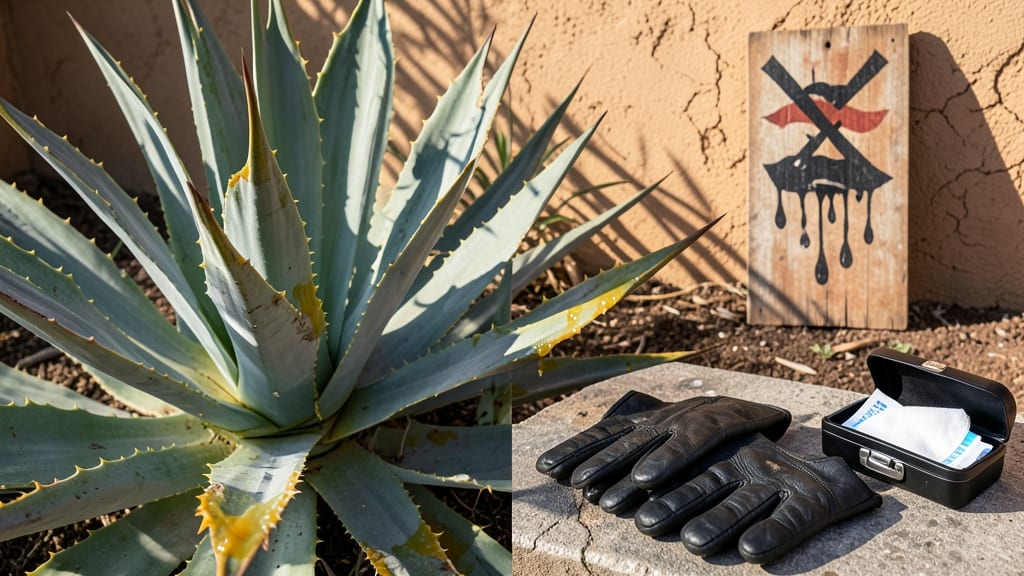
Agave plants are poisonous because their sap contains dangerous compounds like saponins and oxalates, which can trigger skin irritation, nausea, or severe allergic reactions in humans and pets. Always use protective gear when working with them.
Handling agave plants requires caution because their toxic compounds can cause more than just skin reactions—they may also irritate mucous membranes if inhaled or ingested accidentally. 🌱 The sap's chemical makeup varies by species, with some varieties containing higher concentrations of irritants.
For example, the blue agave (used for tequila) is less toxic than the sisal agave, which has been linked to more severe cases of dermatitis in gardeners.
I always recommend wearing long sleeves and eye protection when pruning, since even minor contact can lead to uncomfortable rashes or blistering within hours.
What makes this particularly concerning is how quickly symptoms can appear—some people experience tingling or burning sensations immediately upon contact, while others may not notice reactions until hours later. This delayed response makes it easy to underestimate the plant's danger, especially when working in outdoor settings where ventilation is poor.
For pet owners, the risk is even higher since animals often investigate plants with their mouths, potentially ingesting harmful sap.
💡 In This Article
- Toxic Compounds in Agave Plants and Their Effects
- Safe Handling and Removal of Agave Plants
Toxic compounds in agave plants and their effects
The agave plant's toxicity stems primarily from two chemical families: saponins and oxalates, both of which serve as natural defense mechanisms against herbivores. Saponins create a soapy texture when mixed with water, disrupting cell membranes in both plant-eating animals and humans.
Their concentration varies by species—some agaves contain up to 5% saponins in their sap, while others may have trace amounts. This chemical cocktail doesn't just affect skin; when ingested, saponins can cause severe gastrointestinal distress, including vomiting and diarrhea within 30-60 minutes of exposure.
The oxalates in agave sap work differently—they bind with calcium in bodily tissues, forming sharp crystals that physically irritate skin and mucous membranes.
This is why direct contact often leads to redness, swelling, or painful blisters that resemble a chemical burn. 🌱 For example, the sisal agave contains particularly high oxalate levels, which explains why gardeners handling this variety frequently report more severe skin reactions compared to tequila-producing blue agave.
Interestingly, the plant's leaves also contain cyanogenic glycosides in some species, which can release cyanide when chewed—a deadly risk for curious pets or livestock.
Respiratory effects become a concern when working with agave in enclosed spaces. The fine particles from crushed leaves or sap can become airborne, irritating lungs and triggering coughing or even asthma-like symptoms in sensitive individuals.
This is particularly problematic during hot, dry weather when plant fibers become more brittle and easily dispersed. The combination of these compounds makes agave one of the more hazardous ornamental plants, second only to oleander in terms of toxicity severity among common garden varieties.
What makes agave toxicity particularly insidious is its delayed reaction profile. Some individuals may experience immediate burning sensations upon contact, while others develop symptoms like headache or nausea only after 4-6 hours. This variability stems from differences in skin pH and individual immune responses.
For instance, people with pre-existing skin conditions or allergies are far more likely to experience severe reactions, with symptoms potentially lasting 3-5 days or longer if the sap penetrates deeply.
Species variation plays a crucial role in toxicity levels. The blue agave (Agave tequilana), while still dangerous, contains lower concentrations of irritants compared to the sisal agave (Agave sisalana), which has been linked to hospitalizations in cases of prolonged exposure.
This difference explains why tequila production involves careful handling practices—workers must wear full protective gear despite the plant's commercial value. The contrast highlights why proper identification is essential before handling any agave species in garden or agricultural settings.
Understanding these chemical mechanisms helps explain why agave toxicity persists even after drying. While the plant's sap loses some potency when dried, residual compounds can still cause irritation. This is why traditional uses of agave fibers in textiles or rope-making required extensive washing and handling precautions.
The persistence of these irritants also means that even dead agave plants pose risks—their dried leaves can still harbor enough saponins to cause skin reactions when handled without protection.