
Planting
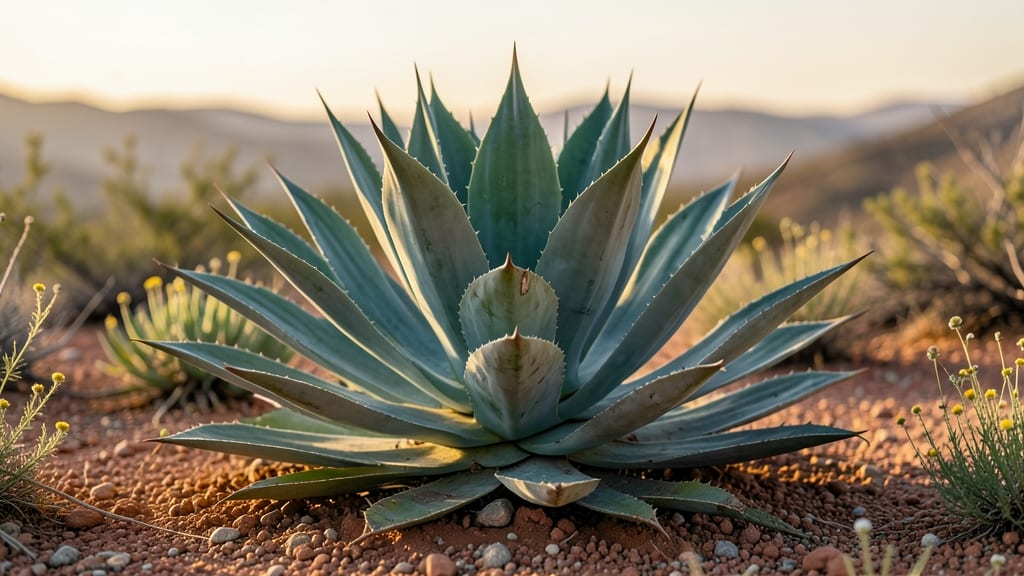
Growing agave plants transforms any sunny spot into a desert oasis. 🌵 Their striking rosettes and dramatic spires make them architectural stars, but they're surprisingly low-maintenance once you understand their simple needs. I've learned that agave thrives where other plants struggle—hot, dry conditions that would crisp most foliage.
The secret to happy agave lies in three non-negotiables: bright, direct sunlight, well-draining soil, and minimal watering. Most gardeners overwater by accident—agave roots rot faster than they can handle moisture.
My plants in full sun need water only every 2-3 weeks in summer, and they reward me with thick, vibrant leaves that store water like nature's own savings account.
You'll fall in love with how these plants age beautifully over time, developing rich colors and textures. The offsets (pups) create natural propagation opportunities, and mature plants develop stunning flower stalks—though they bloom only once before dying. That's the trade-off for their bold presence in the landscape.
Perfect for rock gardens, container displays, or as dramatic focal points in Mediterranean-style landscapes. Even experienced gardeners discover new tricks with agave—like using the sap for natural cleaning or harvesting leaves for fiber. Let's get yours growing strong and striking.
📚 In This Guide
- What you need
- Instructions
- Tips and common mistakes
- Wrapping up and next steps
What you need
- ● Agave plant: Choose a healthy specimen (check for firm leaves and no signs of rot). Pro tip: Blue, variegated, or striped varieties add dramatic flair!
- ● Well-draining soil: 5–10 gallons of cactus/succulent mix (or DIY: 60% potting soil + 30% perlite + 10% coarse sand).
- ● Pot or planting area: Outdoor: Terracotta or fabric pots (12–18" diameter) with drainage holes, or a sunny garden bed with amended soil.
- ● Indoor: Shallow, wide pots (10–14" diameter) to mimic natural root spread.
- ● Drainage layer: 1–2 inches of gravel, pumice, or lava rock to prevent root rot.
- ● Gloves & long sleeves: Agave leaves can be spiky—protect your hands!
- ● Slow-release fertilizer: A balanced 5-5-5 or succulent-specific pellet (apply sparingly, 1–2x/year).
- ● Mulch: Gravel or decomposed granite to retain heat and deter weeds (skip organic mulch—it retains moisture!).
- ● Humidity tray: For indoor agaves in dry climates (place pot on a tray with pebbles + water).
- ● Support stake: Only needed for tall varieties (e.g., Agave americana) in windy areas.
- ● Plant label: Mark varieties—agaves come in hundreds of species with unique care needs!
How to grow and care for agave plants
Here’s how to cultivate these striking succulents with minimal fuss—just sun, gritty soil, and patience.
🪴 Step 1: Choose the Right Container and Soil
Agave plants thrive in containers with excellent drainage—terracotta pots or fabric grow bags work best. The roots despise soggy conditions, so ensure at least three drainage holes in the bottom. I avoid decorative pots without drainage unless I’m planting directly in the ground, where the soil can dry out quickly.
Use a fast-draining cactus/succulent mix combined with 20-30% perlite or coarse sand to mimic their native rocky soil. Skip garden soil entirely—it compacts and suffocates roots. Fill the pot 1-2 inches below the rim to prevent water from spilling over during irrigation.
☀️ Step 2: Position for Maximum Sunlight
Agave demands full sun exposure—at least 6-8 hours of direct sunlight daily. A south-facing window or outdoor spot with unfiltered light is ideal. If growing indoors, rotate the pot quarter-turn weekly so the plant grows evenly rather than leaning toward the light.
Watch for sunburn—you’ll see yellow or brown patches on leaves if light is too intense. In extreme heat (above 95°F), provide afternoon shade to prevent stress. Outdoor agave often thrives in USDA Zones 9-11, but container-grown plants can overwinter indoors near a bright window.
💧 Step 3: Water Sparingly and Only When Needed
Agave stores water in its thick leaves, so water deeply but infrequently. Stick your finger 1-2 inches into the soil—only water when it feels completely dry. Overwatering is the #1 killer; soggy soil leads to root rot within days. I use the "soak-and-dry" method: water until it drains freely, then wait until the soil is bone-dry before repeating.
Reduce watering in winter when growth slows. A humidity tray (pebbles + water beneath the pot) can help in dry indoor air, but avoid misting—agave hates moisture on its leaves. Yellowing leaves often signal overwatering, while wrinkled, shriveled leaves mean it’s thirsty.
✂️ Step 4: Prune and Propagate Offshoots
Agave rarely needs pruning, but you can remove damaged or dead leaves with clean, sharp scissors. Cut at the base to avoid leaving stubs that rot. The real fun comes when pups (baby offshoots) form at the plant’s base—these are easy to propagate. Gently twist or cut them off with a knife, then let the wound callus over for 2-3 days before planting in fresh soil.
Pups root quickly in sandy, well-draining mix. Place them in a warm, bright spot and keep soil lightly moist until new growth appears (2-4 weeks). This is how agave spreads naturally—each mother plant can produce 3-5 pups over time, making it a low-cost way to expand your collection.
⏰ Step 5: Fertilize Lightly and Monitor for Pests
Feed agave once in spring with a balanced, diluted fertilizer (half-strength, 10-10-10). Too much fertilizer burns roots and encourages weak growth. I skip fertilizing in winter when the plant is dormant. Organic options like fish emulsion or worm castings work well if you prefer natural inputs.
Pests are rare but watch for mealybugs or scale on leaf undersides. Wipe leaves with 70% isopropyl alcohol or spray with neem oil for infestations. Agave is generally pest-resistant, but stress (from overwatering or poor light) makes it vulnerable. A healthy plant repels most issues naturally.
Tips & tricks for perfect agave plant care
Here's what nobody tells you about keeping these architectural wonders thriving for years.
Drainage is Non-Negotiable: In Step 1, when selecting containers, I can't stress this enough—agave roots rot faster than they grow if drainage is poor. For extra insurance, I add a layer of pebbles or broken terracotta pieces at the bottom of the pot before the soil mix. This creates a secondary drainage barrier that prevents water from pooling at the roots. If you're using decorative pots without holes, consider nesting them inside a saucer filled with gravel or sand to catch excess water.
Light Exposure Secrets: The 6-8 hours of sunlight in Step 2 is non-negotiable, but here's what I've learned: agave can handle more sun than most people think. In my experience with USDA Zone 10 plants, they thrive with up to 10 hours of direct sun—just watch for the telltale yellowing that signals sunburn. For indoor growers, a south-facing window with a sheer curtain can filter harsh afternoon light while still providing enough intensity. The key is gradual acclimation—if you bring an indoor agave outside, introduce it to full sun over a week to prevent shock.
Watering Wisdom: That "completely dry" soil test in Step 3 is crucial, but I've found a trick to prevent overwatering: use a moisture meter for the first few weeks until you get the feel. The meter's accuracy helps avoid the guesswork that leads to root rot. Also, I've noticed that agave in terracotta pots dry out faster than in plastic—adjust your watering schedule accordingly. And here's a pro move: water in the morning so any excess can evaporate during the day rather than sitting in the soil overnight.
Propagation Hack: When propagating pups in Step 4, I've had the most success by letting them callus for 3-4 days rather than just 2-3. The extra day prevents rot when planting, especially in humid conditions. For faster rooting, I place the pups in a clear plastic bag with a few holes punched in it—this creates a mini greenhouse effect that speeds up root development. I check for roots in about 2 weeks by gently tugging on the pup; if there's resistance, it's ready to plant permanently.
Pro Tips for The Agave Plant
- Here's what nobody tells you about keeping these architectural wonders thriving for years.
- Drainage is Non-Negotiable: In Step 1, when selecting containers, I can't stress this enough—agave roots rot faster than they grow if drainage is poor.
- Light Exposure Secrets: The 6-8 hours of sunlight in Step 2 is non-negotiable, but here's what I've learned: agave can handle more sun than most people think.
Frequently asked questions
Got questions about growing and caring for agave plants? You’re not alone! Here are some of the most common queries—plus quick, practical answers to keep your succulent thriving.
How often should I water my agave plant?
Agave plants are extremely drought-tolerant—overwatering is their #1 enemy! Water only when the soil is completely dry (usually every 2–3 weeks in warm weather, less in winter). Stick your finger 2 inches deep; if it’s dry, it’s time. Pro tip: Use a pot with drainage holes to prevent root rot.
How fast does an agave plant grow?
Growth speed varies by species, but most agave plants grow slowly to moderately—about 6–12 inches per year under ideal conditions. Some varieties (like Agave americana) can take 10+ years to reach maturity. Patience is key!
Can I grow agave indoors?
Yes, but with caveats! Agave thrives in bright, indirect light near a south- or west-facing window. If natural light is lacking, supplement with a grow light. Avoid cold drafts or humidity-heavy spots (like bathrooms), as they can cause rot. Troubleshooting: Yellowing leaves? It’s likely overwatering or low light.
What’s the difference between agave and aloe vera?
While both are succulents, they’re not the same! Agave has thicker, rosette-shaped leaves (often spiky) and is prized for its architectural form and syrup. Aloe vera has gel-filled leaves (great for burns) and a more compact, paddle-like shape. Fun fact: Agave leaves are hotter to the touch than aloe!
Why are my agave leaves turning brown or mushy?
Brown, crispy edges? Underwatering or sunburn (move to indirect light). Mushy, yellowing leaves? Overwatering or rot—stop watering immediately and check for pests. Quick fix: Trim affected leaves with sterilized scissors and repot in fresh, dry soil if needed.
Wrapping up and next steps
The agave plant isn’t just a striking addition to your garden—it’s a low-maintenance superstar that thrives on sunshine and minimal fuss. Whether you’re drawn to its bold shapes, drought-resistant charm, or potential for delicious harvests (like tequila!), this succulent delivers big rewards with minimal effort. 🌵✨
Ready to bring some architectural drama to your outdoor space? Start small—plant one agave in a sunny spot, experiment with varieties, and watch your garden transform. Who knows? You might just fall in love with this sun-loving powerhouse!