
Plants
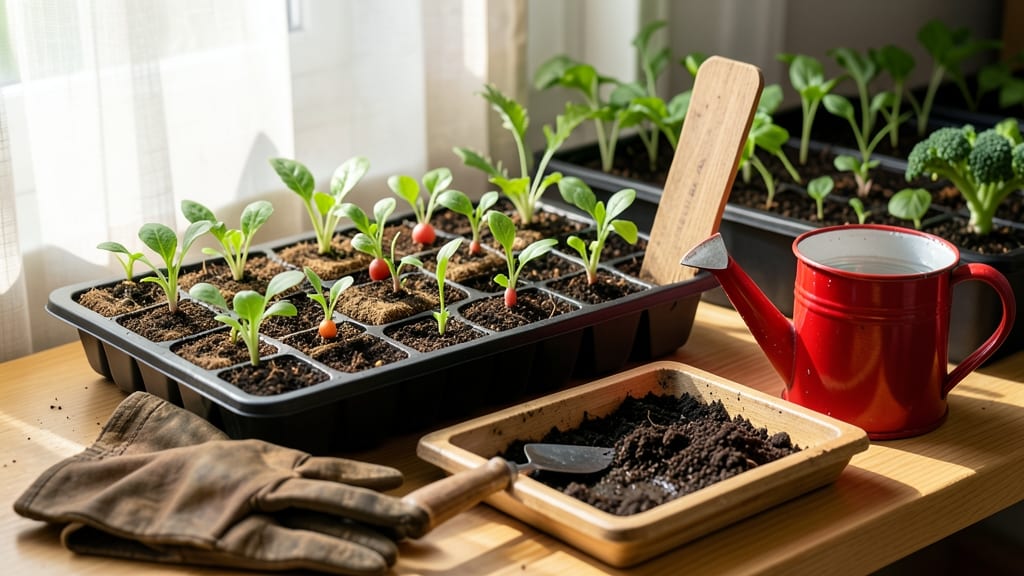
Planting in spring means the difference between a thriving garden and a season of disappointment—timing is everything. ✨ I’ve learned that waiting for the last frost date is just the start; soil temperature, plant hardiness, and even moon phases (yes, really) all play a role in when to get seeds in the ground.
Most gardeners focus on frost dates, but the real secret is watching for soil temperatures between 50-60°F—that’s when cool-season crops like peas and spinach wake up, and warm-season favorites like tomatoes and peppers can handle transplanting without shock.
In my zone, that’s usually 2-4 weeks after the last frost, but it shifts north to south like a moving target.
📚 In This Guide
- What you need
- Instructions
- Tips and common mistakes
- Wrapping up and next steps
What you need
- ● Garden Gloves – A pair of durable, breathable gloves (e.g., nitrile-coated or leather) to protect your hands from thorns, dirt, and blisters.
- ● Hand Trowel – A 5-inch stainless steel trowel for digging small holes and transplanting seedlings.
- ● Garden Fork – A heavy-duty, 12-inch fork for aerating soil and breaking up compacted areas.
- ● Pruners – Bypass pruners (sharp and clean) for trimming dead foliage or harvesting herbs.
- ● Watering Can or Hose – A 5-gallon watering can with a rose nozzle or a lightweight soaker hose for gentle hydration.
- ● Compost or Fertilizer – 10-10-10 or organic compost (5–10 lbs per 100 sq. ft.) to enrich soil before planting.
- ● Mulch – Straw, wood chips, or shredded leaves (2–3 inches deep) to retain moisture and suppress weeds.
- ● Seedlings or Seeds – Choose zone-appropriate varieties (check seed packets for your USDA zone).
- ● Plant Markers – Biodegradable labels or popsicle sticks to track what you’ve planted.
- ● Soil Test Kit – To check pH and nutrient levels ($10–$20 at garden centers).
- ● Knee Pads – For comfort during long planting sessions.
- ● Wheelbarrow – A small, 2–3 cubic foot model for hauling soil or mulch.
- ● Planting Calendar – A zone-specific guide (free printables online!) to track frost dates and ideal planting windows.
- ● Solar-Powered Lights – For marking garden beds after dark (battery-operated stakes work too!).
Instructions for spring planting by plant hardiness zone
Timing is everything—plant too early and frost will kill your tender starts, too late and you lose peak harvests.
📅 Step 1: Determine Your Last Frost Date
Your planting window hinges on the last average frost date for your USDA hardiness zone. Check the USDA Plant Hardiness Zone Map and add 2-4 weeks to that date for warm-season crops like tomatoes and peppers. For cool-season crops such as lettuce or spinach, you can plant 4-6 weeks before the last frost date.
I always verify with my local cooperative extension office—they provide hyper-local frost data that often differs from the general zone map. Write your target dates on a calendar so you don’t lose track. This ensures you’re planting when soil temperatures are consistently above 50°F for warm-season crops.
⏰ Step 2: Calculate Planting Windows by Zone
Zone 3-4 (Northern climates): Start cool-season crops indoors 8-10 weeks before your last frost date, and plant outdoors 4-6 weeks before. Warm-season crops go in 2-3 weeks after the last frost date. I’ve learned the hard way that rushing warm-season plants in cold soil leads to stunted growth.
Zones 5-7 (Midwest/Northeast): Cool-season crops can go in 4-5 weeks before last frost, while warm-season crops wait 1-2 weeks after. Zone 6 is my home turf, and I’ve found that planting tomatoes after Memorial Day gives them the warm soil they need to thrive.
Zones 8-10 (Southern climates): Plant cool-season crops in fall or early winter (October-December) and warm-season crops 2-4 weeks before your last frost date. Here, the real challenge is avoiding summer heat stress—planting too early can lead to bolting in greens.
☀️ Step 3: Monitor Soil and Air Temperatures
Soil temperature matters more than air temperature. Use a soil thermometer to confirm 50°F or warmer for warm-season crops and 40-50°F for cool-season crops. I’ve seen seedlings wilt in 60°F soil when air temps were perfect—always check below ground level.
For frost-sensitive plants, wait until nighttime temperatures consistently stay above 50°F. I use a minimum-maximum thermometer to track overnight lows. If frost is forecasted within 48 hours, cover tender plants with frost cloth or row covers—it’s better than losing a season’s work.
🌱 Step 4: Adjust for Microclimates
Your yard isn’t uniform—south-facing slopes warm faster, low spots stay cooler, and urban areas can be 5-10°F warmer than rural zones. I always plant frost-sensitive crops like basil and peppers on south-facing beds first, then move to cooler microclimates as the season progresses.
If you’re near a large body of water, expect cooler soil temps and delay planting by 1-2 weeks. Conversely, black plastic mulch can raise soil temperatures by 5-10°F, letting you plant earlier. Test a small section first to avoid overheating roots.
⏰ Step 5: Use Successive Planting for Continuous Harvests
Instead of one big planting, stagger seeds every 2-3 weeks for crops like lettuce, beans, and carrots. This ensures a steady harvest and prevents gluts. I mark my calendar with planting reminders so I don’t miss the window—especially for short-season crops like radishes.
For warm-season crops, use row covers or cold frames to extend the season. I’ve successfully grown tomatoes in Zone 6 until mid-October by protecting them from early frosts. Just remove covers during the day to prevent overheating and pests.
Tips & tricks for perfect spring planting timing
Mastering spring planting takes more than just checking a calendar—it's about understanding your local climate quirks and preparing your garden for success.
Local Frost Data Matters: While the USDA zone map is a great starting point, I can't stress enough how important it is to verify with your local cooperative extension office. They often have hyper-local frost data that can differ by 1-2 weeks from the general zone predictions. I've seen gardens in the same zone thrive with different planting windows just a few miles apart due to elevation or urban heat islands. Always double-check before setting your planting dates!
Soil Temperature is Your True Guide: Air temperature is a poor indicator—what matters is the soil temperature at planting depth. For warm-season crops, wait until soil reaches 50°F consistently, not just air temps. I keep a soil thermometer buried at 4-inch depth and check it every morning. Pro tip: If your soil is 60°F or warmer, you're risking seedling stress or even death in some cases.
Microclimate Mapping Saves Gardens: Your yard isn't uniform—south-facing beds warm 5-10°F faster than north-facing ones, and low spots stay cooler for longer. I map my garden zones and plant frost-sensitive crops like tomatoes and peppers in the warmest spots first. For cooler microclimates, I use black plastic mulch to raise soil temperatures by 5-10°F, but I always test a small area first to avoid overheating roots.
Successive Planting Calendar: Instead of one big planting, I create a staggered schedule using my garden planner app. For crops like lettuce and carrots, I plant every 2-3 weeks to ensure continuous harvests. I mark these dates on a physical calendar with colored tabs—it's my secret weapon for never missing a planting window. For warm-season crops, I use row covers to extend the season by 4-6 weeks in cooler zones, removing them during the day to prevent overheating.
Pro Tips for When To Plant In The Spring
- Mastering spring planting takes more than just checking a calendar—it's about understanding your local climate quirks and preparing your garden for success.
- Local Frost Data Matters: While the USDA zone map is a great starting point, I can't stress enough how important it is to verify with your local cooperative extension office.
- Soil Temperature is Your True Guide: Air temperature is a poor indicator—what matters is the soil temperature at planting depth.
Frequently asked questions
Got questions about spring planting?
You’re not alone! Here are answers to the most common concerns—so you can confidently get your garden growing.
When is the exact last frost date for my area?
Last frost dates vary by USDA Hardiness Zone. Check the USDA Plant Hardiness Zone Map for your zone, then look up local averages (extension offices or weather apps help!). For example, Zone 5 typically sees the last frost around May 10–15, while Zone 9 may be frost-free by February 15. Plant after your average last frost—not before!
What if I miss the ideal planting window?
Don’t panic! Many veggies (like kale, broccoli, or carrots) tolerate light frosts and can be planted 4–6 weeks before the last frost. For heat-loving crops (e.g., tomatoes, peppers), opt for container gardening—you can start them indoors and transplant later. Slow and steady wins the gardening race!
How do I know my soil is warm enough for warm-season crops?
Use a soil thermometer—warm-season plants (tomatoes, cucumbers, beans) need soil temps of 60°F+. Test in the morning; if it’s cooler, wait or use black plastic mulch to warm the soil faster. Pro tip: Plant in a sunny spot first—soil heats up quicker there!
Will pests be a problem if I plant early?
Early planting can attract pests like aphids or slugs, but timing matters! Cool-season crops (spinach, peas) planted before pests wake up (late winter/early spring) often escape damage. For warm-season plants, use row covers or companion planting (e.g., marigolds repel pests). Monitor daily and act fast if you spot trouble!
Can I plant flowers and veggies together?
Companion planting
boosts growth and deters pests. Try these pairs:
- Tomatoes + basil (improves flavor, repels flies)
- Carrots + onions (keeps carrot flies away)
- Marigolds + any veggie (natural pest deterrent)
Wrapping up and next steps
Timing is everything when it comes to spring planting—whether you're a seasoned gardener or just starting out!
By aligning your planting schedule with your USDA hardiness zone and understanding the last frost dates, you’ll set your garden up for lush growth and bountiful harvests. 🌱 Don’t let uncertainty hold you back; grab your calendar, check local resources, and get those seeds in the ground with confidence.
Ready to dive in? Start small—pick 2-3 plants to test the waters, then expand as you gain experience. Happy planting! 🌿