Planting
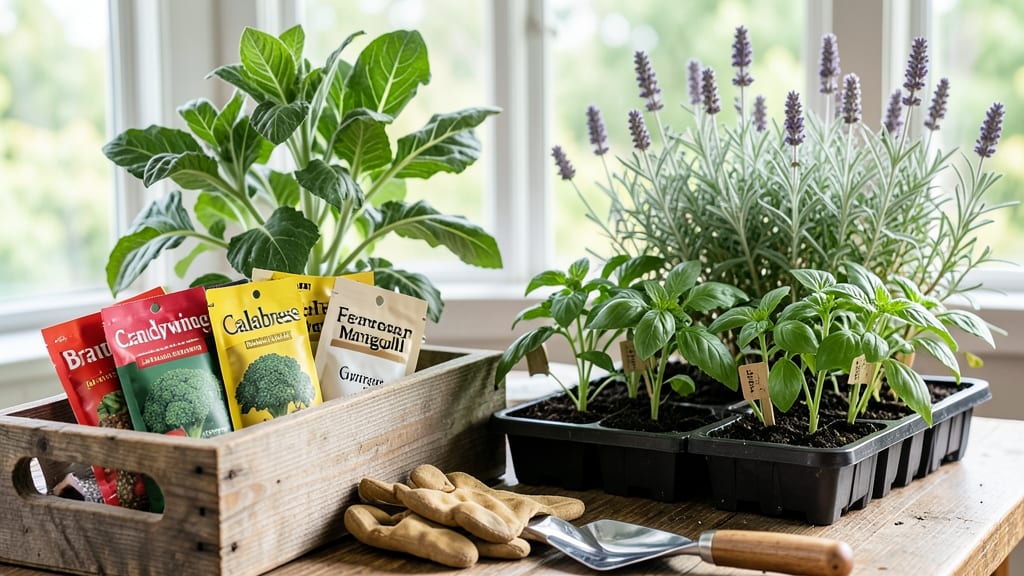
Planting in Zone 6b at the right time means the difference between a bountiful harvest and wasted effort — and the exact months depend on whether you're sowing cool-season crops or waiting for summer warmth.
Timing is everything in gardening—especially in USDA Zone 6B, where a single missed window can mean the difference between a thriving harvest and wasted seeds. The last frost typically hits around April 15, but that doesn’t mean you should rush to plant everything right away.
Cool-season crops like lettuce and peas can go in as early as March, while warm-season favorites like tomatoes and peppers need to wait until after May 15 to avoid frost damage.
Fall planting also has its own rules: start seeds indoors in July for a late harvest before the first frost on October 15.
Below, I break down the exact months to plant your favorite crops, plus tips for adjusting schedules based on microclimates or specific plant needs. Whether you're a beginner or a seasoned gardener, these timelines will help you maximize your growing season.
USDA Zone 6B planting calendar: exact months for cool-season and warm-season crops
USDA Zone 6B spans regions like Philadelphia, Denver, and parts of the Midwest, where last frost dates average April 15 and first frost arrives October 15. These dates define your 165-day growing season, but microclimates—like valley warmth or mountain chill—can shift planting windows by 2-4 weeks.
For example, Denver's urban areas may warm up faster than rural zones, while mountain foothills often experience later springs.
Cool-season crops like kale, peas, and spinach thrive in 40-60°F soil and can handle light frosts. Warm-season crops such as tomatoes, peppers, and basil need 60-70°F soil and won’t tolerate frost. Timing these correctly ensures maximum yield and minimal stress on your plants.
For instance, planting broccoli in late summer for a fall harvest works in Zone 6B, but tomatoes planted too early risk stunted growth from cool soil.
Below is your Zone 6B planting calendar, broken down by crop type, soil temperature needs, and regional adjustments. Use this as your garden’s roadmap to avoid common pitfalls like frost damage or bolting—and to plan for succession planting to keep harvests coming all season.
| Crop Type | Planting Window | Soil Temp (°F) | Microclimate Tip | Notes |
|---|---|---|---|---|
| Cool-Season Veggies | March–April (spring) / Aug–Sept (fall) | 40–60°F | Valleys: Start 2 weeks earlier | Kale, spinach, peas, broccoli |
| Warm-Season Veggies | May–June (after frost) | 60–70°F | Mountains: Wait until June | Tomatoes, peppers, basil, cucumbers |
| Herbs | April–May (spring) / July–Aug (fall) | 50–65°F | Containers warm faster | Basil, parsley, cilantro |
| Flowers | April–May (spring) / July (fall) | 55–70°F | South-facing beds warm sooner | Marigolds, zinnias, cosmos |
| Perennials | April–May (spring) | 50–60°F | Amend soil with compost | Lavender, daylilies, hostas |
For cool-season crops, aim to plant 4-6 weeks before your last frost—typically mid-March to early April. These crops handle light frosts (28°F) and even bolting risks if days shorten in late summer.
For example, spinach sown in late August will mature before frost, while broccoli planted in mid-September thrives for a fall harvest. Use row covers to extend these windows by 2-3 weeks if needed.
Warm-season crops demand patience—wait until soil hits 60°F, usually late May in most of Zone 6B. Tomatoes and peppers are frost-sensitive, so start seeds indoors 6-8 weeks before transplanting
How to adjust planting times for early springs, late falls, and extended seasons in Zone 6B
Zone 6B gardeners know that seasonal windows are short—but with the right strategies, you can extend harvests by weeks or even months. The key lies in microclimates, protective structures, and smart crop selection.
Whether you're chasing an early spring harvest or squeezing in late fall greens, these adjustments will transform your garden's productivity.
Start by pushing spring planting dates with row covers and cold frames. These tools can raise soil temperatures by 5-10°F, allowing you to plant spinach, peas, and lettuce 2-3 weeks earlier than the traditional mid-April window.
For late falls, focus on heat-tolerant varieties and succession planting to keep producing through October's first frost.
- 1 Early Spring: Use row covers to plant cool-season crops like kale and radishes by March 15—2 weeks before the last frost date.
- 2 Late Summer: Sow heat-tolerant lettuce (like Romaine) in August for a fall harvest—protect with shade cloth during heatwaves.
- 3 Fall Extension: Plant garlic and onions in October for next-year harvests—they thrive in cold soil and resist frost damage.
- 4 Succession Planting: Stagger bush beans and carrots every 2 weeks from May to July to ensure a continuous harvest until frost.
- 5 Cold Frames: Extend winter greens (like spinach) by 1-2 months—place frames in south-facing beds to maximize sunlight.
Don’t overlook microclimates—a south-facing slope or urban heat island can add 10+ days to your growing season. I’ve seen tomatoes ripen in September on a sunny wall that’s 10°F warmer than the rest of the yard.
Use these natural advantages to plant warm-season crops like peppers 1-2 weeks later than the calendar suggests.
For late fall harvests, prioritize fast-maturing varieties and protect tender crops with low tunnels. I’ve grown baby carrots and radishes well into November by covering them with floating row covers—the extra insulation keeps roots from freezing.
Pair this with mulching to regulate soil temps and reduce watering needs.
Pro tip: Track your local frost dates for 3 years to identify real-world patterns. My Zone 6B garden in western Pennsylvania often gets a 10-day reprieve in early October—knowing this, I plant cold-hardy kale by September 1st for a November harvest.
Adjust these dates based on your specific microclimate and historical data. 🌱