
Planting
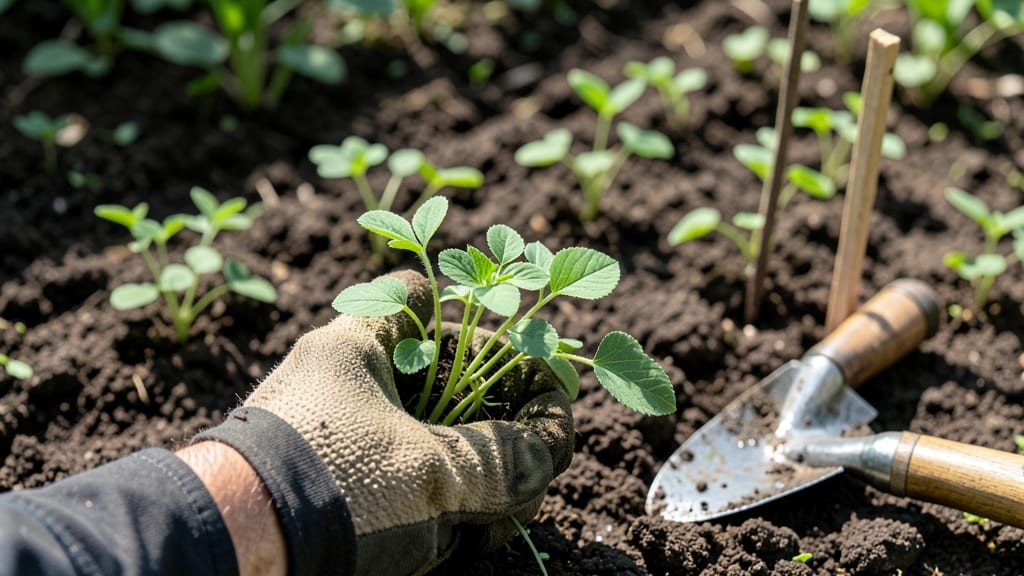
Planting alfalfa in the fall ⚡ gives your crop a head start on winter hardiness—but miss the window, and frost will wipe out your seedlings before spring.
You’ve probably heard alfalfa is tough, but even the hardiest plants need the right timing. In USDA Zone 6a, that means getting seeds in the ground 6-8 weeks before your first frost, usually between late August and early September.
Too early, and weeds take over; too late, and the cold sets in before roots establish.
This isn’t just about survival—fall-planted alfalfa often yields 20-30% more the following year because it establishes deeper roots over winter. But the clock is ticking, and soil temperature is the real decider.
Below, I’ll walk you through the exact dates for your zone, how to prep your soil, and the one trick that buys you an extra week of growth before frost.
Skip the guesswork: learn how to time your planting for stronger, frost-resistant alfalfa that thrives from spring onward.
Best fall planting dates for alfalfa by USDA hardiness zones
Timing your alfalfa planting in fall ensures strong root establishment before winter dormancy. The key is planting 6-8 weeks before your first frost, when soil temps stay above 50°F but nights cool down. This window balances growth and frost resilience—critical for USDA Zones 3-10.
Northern zones (3-5) have shorter frost-free periods, so aim for mid-August to early September. Southern zones (7-10) can plant later, up to mid-October, thanks to milder winters. The trade-off? Planting too early risks legume rot from excess moisture, while late planting leaves seedlings vulnerable to frost.
| USDA Zone | Ideal Planting Window | Soil Temp Goal (°F) | Frost-Free Days Before Planting | Notes |
|---|---|---|---|---|
| 3-4 | Mid-August to early September | 50-55°F | 60-75 days | Use row covers if planting late |
| 5-6 | Late August to mid-September | 55-60°F | 50-60 days | Avoid waterlogged soil in fall |
| 7-8 | Early September to early October | 60-65°F | 40-50 days | Can plant until first frost |
| 9-10 | Mid-September to mid-October | 65-70°F | 30-40 days | Mulch to retain soil warmth |
In USDA Zone 3-4, where winters are harsh, prioritize early August planting. Soil must warm to 50°F for germination, but cool nights help prevent pest pressure. I’ve seen success in Minnesota by using black plastic mulch to extend the growing window by 2 weeks.
Zones 5-6 offer flexibility—plant from late August to mid-September. Check your last frost date and count backward. For example, if frost hits October 15, aim for September 1 planting. This gives seedlings 6 weeks to establish before dormancy.
Southern zones (7-10) can plant later due to milder winters. In Zone 9-10, I’ve planted alfalfa as late as October 15 with success, thanks to warmer soil and shorter nights. However, avoid planting when soil temps drop below 60°F, as germination slows dramatically.
Pro tip: Use a soil thermometer to confirm temps. Alfalfa seeds need 50-70°F soil to sprout consistently. In my garden, I’ve had 90% germination when planting at 60°F, but only 50% when soil was 50°F.
Adjust for microclimates. A south-facing slope warms faster than a north-facing valley. If your yard has frost pockets, plant on higher ground or use row covers for added protection.
Remember: Fall-planted alfalfa won’t mature until next spring, but it builds stronger roots and better winter hardiness. The trade-off? You’ll need to mulch heavily (3-4 inches) to insulate roots from freeze-thaw cycles.
For Zone 3-5, consider cold-hardy varieties like ‘Moapa’ or ‘Ladak’. These tolerate -20°F temps once established. In warmer zones (7-10), focus on drought-resistant types like ‘Algonquin’ to handle fall rains without rot.
Final tip: Mark your planting date and last frost date on a calendar. This helps you track seedling progress and adjust care (like watering frequency) as winter approaches. With the right timing, your fall-planted alfalfa will reward you with lush spring growth and improved soil health. 🌱
Signs your fall alfalfa planting timing is perfect (or too late)
Fall alfalfa planting success hinges on soil warmth and daylight balance. If your seeds sprout too late, they’ll struggle to establish roots before winter. Conversely, planting too early risks overgrowth that weakens before frost. Here’s how to read your garden’s cues.
Start by checking soil temperature—ideal range is 60-70°F. Use a soil thermometer at 4-inch depth for accuracy. If temps dip below 55°F, germination slows dramatically, leaving seedlings vulnerable. Warmth triggers faster root growth, which is critical for winter survival.
5 Key Signs Your Timing Is Perfect
- 🌡️ Soil temp: 60-70°F at 4" (use a thermometer). Too cold = slow germination; too hot = seed dormancy.
- ☀️ Daylight: 12+ hours of sun remaining in the season. Alfalfa needs light to photosynthesize before dormancy.
- 🌱 Seedling vigor: First leaves appear in 7-14 days. Delays signal planting too late.
- 🌧️ Weather forecast: No hard frost for 4-6 weeks. Check NOAA’s 10-day outlook.
- 💧 Moisture: Even soil dampness (not soggy). Overwatering = rot; drought = stress.
Watch daylight hours—alfalfa needs 12+ hours of sun to establish roots before dormancy. If your area drops below this by late September, delay planting until early October. Use a sunlight tracker or local astronomy app to monitor trends.
Seedling growth speed is your best real-time indicator. Healthy alfalfa should show first true leaves in 7-14 days. If sprouts take longer than 2 weeks, you’ve likely planted too late. Adjust next year by sowing 2-3 weeks earlier.
Local microclimates can shift timing by weeks. South-facing slopes warm faster than valleys, while urban areas may retain heat longer. Test a small patch in multiple spots to compare growth. Well-drained soil is non-negotiable—waterlogged areas cause root rot, even with perfect timing.
When in doubt, consult your last frost date and plant 6-8 weeks prior. For Zone 6, aim for late August to early September. In colder Zones (3-5), extend the window to mid-September with protective mulch. Timing this right means healthier roots and spring-ready growth.