
Planting
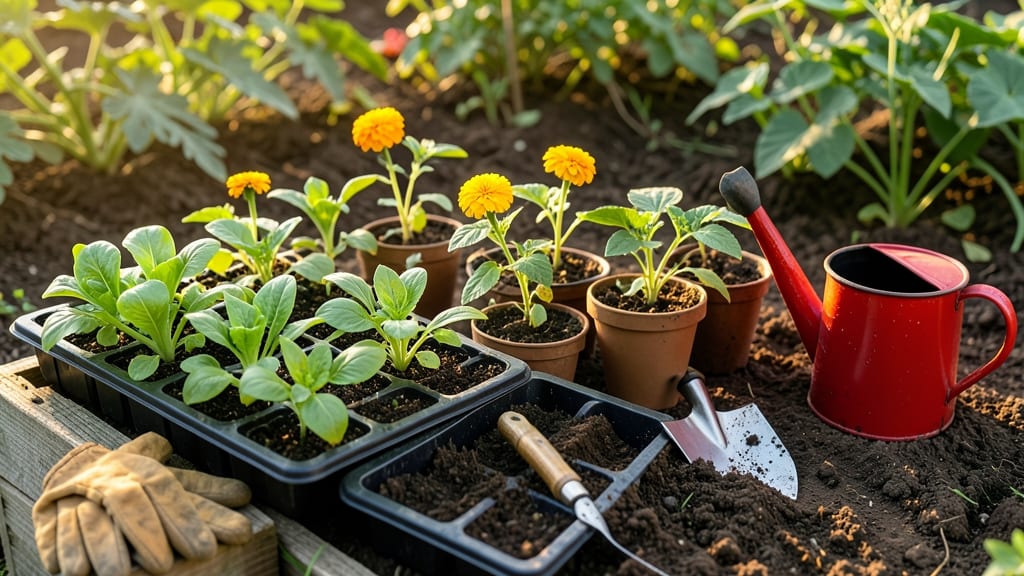
To plant a garden in the right season means the difference between a lush harvest and wasted effort—timing is everything, and your hardiness zone dictates the exact window.
Picture this: you’ve prepped the soil, ordered seeds, and cleared your schedule for gardening—only to watch your plants bolt in the heat or rot in the cold. That’s why knowing your zone’s frost-free dates and crop-specific deadlines is non-negotiable.
Whether you’re in Zone 6a or a warmer climate, cool-season crops like peas and lettuce thrive when planted 4–6 weeks before your last frost, while tomatoes and peppers demand soil that’s warmed by summer.
I’ll break down the exact months for each zone, plus how to adjust for early, mid-, and late varieties.
By the end, you’ll have a custom planting calendar tailored to your crops and climate—no more guesswork, just a garden that grows.
Planting months by USDA hardiness Zone: exact timing for cool-season & warm-season crops
Getting your planting timeline right depends on two key factors: your USDA hardiness zone and whether your crops prefer cool-season or warm-season conditions. In Zone 5, for example, the last spring frost typically occurs around April 15, while the first fall frost arrives by October 15.
These dates create your planting windows—cool-season crops like spinach and kale thrive when soil temps are below 70°F, while tomatoes and peppers need soil temps above 60°F to germinate.
To simplify, I’ve broken down the ideal planting months for cool-season and warm-season crops across USDA Zones 3-10. Use your local frost-free date as your anchor—most seed packets list days to maturity, so count backward from your first frost to determine deadlines.
For instance, if your basil takes 60 days to mature and your first frost is October 15, you must plant by August 15.
Here’s a quick reference for Zones 5-7, where most home gardeners live. Adjust for your specific zone by checking the USDA Plant Hardiness Zone Map and adding/subtracting 2-4 weeks based on microclimates (e.g., urban areas may warm faster than rural spots).
| USDA Zone | Cool-Season Crops (Direct Sow) | Warm-Season Crops (After Last Frost) | Fall Planting Window |
|---|---|---|---|
| Zone 3-4 | March–April (peas, spinach, lettuce) | May–June (tomatoes, peppers, beans) | August–September (kale, radishes, carrots) |
| Zone 5-6 | March–April (broccoli, cabbage, onions) | April–May (tomatoes, cucumbers, squash) | July–August (turnips, beets, arugula) |
| Zone 7-8 | September–October (fall lettuce, peas) | March–April (eggplant, peppers, melons) | August–September (spinach, radishes, green onions) |
| Zone 9-10 | October–November (cool-season greens) | February–March (tomatoes, peppers, basil) | September–October (broccoli, cabbage, carrots) |
For Zone 5 gardeners, cool-season crops like peas and spinach should go in the ground 4–6 weeks before your last frost (typically March–April). Warm-season crops like tomatoes and peppers need to wait until soil temps hit 60°F, usually late May–early June.
Pro tip: Use a soil thermometer to confirm—cool soil can stunt germination.
In Zone 7, where winters are milder, you can extend your growing season. Plant cool-season crops like broccoli in September–October for a fall harvest, and warm-season crops like eggplant as early as March.
The key is to avoid planting warm-season crops too early—they’ll bolt or rot in cool soil. For example, tomatoes planted in April in Zone 7 may struggle if nights are still chilly.
If you’re in Zone 9 or 10, you’re lucky—your frost-free season is long! Start warm-season crops like basil and peppers in February, and enjoy year-round harvests of greens like kale and arugula.
However, even in warm zones, heat-sensitive crops (e.g., lettuce) need shade cloth during summer to prevent bolting.
One common mistake? Ignoring soil temperature. A cool-season crop like carrots needs soil temps below 75°F to grow well, while warm-season crops like squash thrive at 80°F+.
Use a seedling heat mat if you’re eager to start warm-season crops early, but be prepared to protect them with row covers if frost sneaks in.
For succession planting, plan to sow fast-growing crops like radishes or bush beans every 2–3 weeks to keep the harvest coming. In
How to adjust planting for early, mid, and late varieties of the same crop
Staggering your planting schedule with early, mid, and late varieties of the same crop is one of the easiest ways to extend your harvest season and avoid glutting your kitchen. This technique, called succession planting, ensures you have fresh produce for months instead of just a few weeks.
For example, planting lettuce in March, June, and September can give you crisp greens from spring through fall.
Succession planting isn’t just for leafy greens—it works for tomatoes, beans, carrots, and even herbs. The key is understanding how maturity dates and seasonal conditions affect each variety.
Early varieties mature quickly but may bolt in heat, while late varieties take longer but thrive in cooler weather. By spacing them out, you balance flavor, yield, and timing.
Here’s how to adjust your planting schedule for maximum efficiency:
- 1 Early Varieties: Plant 4–6 weeks before your last frost date (e.g., spinach or peas in March). These bolt faster in heat, so they’re perfect for spring harvests.
- 2 Mid Varieties: Sow 2–3 weeks after your last frost (e.g., tomatoes or beans in late April–May). These handle summer heat better and provide peak harvests in midsummer.
- 3 Late Varieties: Plant 6–8 weeks before your first frost (e.g., kale or carrots in August). These store well in cool weather and often taste sweeter after frost.
- 4 Succession Planting: For crops like lettuce or radishes, sow new seeds every 2–3 weeks. This ensures a continuous harvest instead of one big yield.
- 5 Adjust for Your Zone: In Zone 5, early varieties might go in April, while late ones go in July. In Zone 9, you can plant year-round with minimal adjustments.
For tomatoes, try planting cherry varieties (early) alongside beefsteak (mid) and roma (late). This gives you small, sweet tomatoes in summer and larger, meatier ones in fall. With beans, stagger plantings every 2 weeks to avoid overcrowding and ensure a steady supply of pods.
Pro tip: Use row covers or shade cloth to protect early or late plantings from extreme heat or cold. This buys you extra time to harvest before bolting or frost sets in.
With a little planning, you can turn a single crop into a year-round bounty—no wasted seeds or empty garden beds in sight!