
Planting
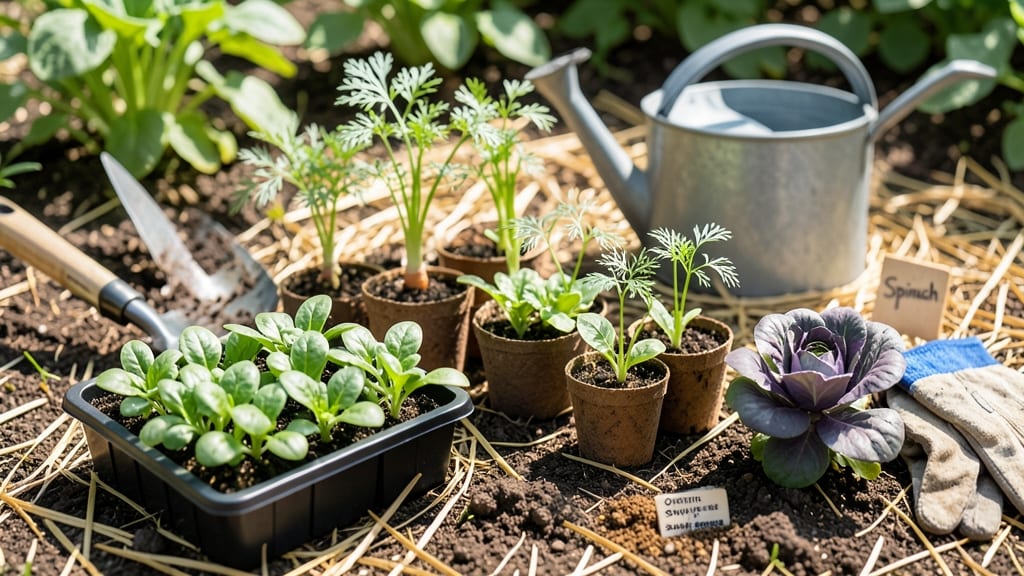
Planting a garden in Utah means timing your 🌱 seeds and transplants between late April and early June for spring crops, then again in late July for fall harvests.
Here’s the catch: Utah’s microclimates—from the Wasatch Front’s cool valleys to Southern Utah’s desert heat—can shift frost dates by weeks. Plant too early in Cache Valley, and a late freeze will turn your seedlings to mush.
Wait too long in St. George, and summer’s intensity will leave your tomatoes struggling to set fruit.
This guide cuts through the guesswork with region-specific frost dates, so you know exactly when to tuck peas into cool soil or when to rush peppers into the ground before the heat locks them out.
We’ll also share how to stretch your season with row covers and water-wise tricks that actually work in Utah’s dry air.
By the end, you’ll have a planting schedule tailored to your backyard’s quirks—no more wasted seeds or frustrated waits. Let’s get those 🌱 roots in the ground the right way.
Utah’s frost dates by region: when to plant cool-season vs warm-season crops
Utah’s diverse microclimates create a gardening puzzle where frost dates can vary by weeks just miles apart. In Salt Lake Valley, for example, the last spring frost might hit April 20, while Southern Utah’s St. George sees its final freeze by March 10.
Understanding these regional differences ensures your cool-season crops thrive and your warm-season plants get a strong start.
I’ve broken down average frost dates for Utah’s four key gardening regions—Utah County, Cache Valley, Salt Lake Valley, and Southern Utah—so you can align your planting schedule with local conditions.
These dates are based on 30-year averages, but always check the National Weather Service or local ag extension for real-time updates before planting.
Last spring frost marks the safe window for cool-season crops like lettuce, peas, and spinach, while first fall frost determines when to sow warm-season crops like tomatoes and peppers for a late harvest. Below, I’ve mapped out these critical dates and the optimal planting windows for your favorite Utah garden staples.
| Region | Last Spring Frost | First Fall Frost | Cool-Season Planting Window | Warm-Season Planting Window |
|---|---|---|---|---|
| Utah County (Provo/Orem) | April 25 | October 5 | March 15–April 25 | May 1–June 15 |
| Cache Valley (Logan/Richmond) | May 5 | September 20 | April 1–May 5 | May 15–June 10 |
| Salt Lake Valley (Salt Lake City) | April 20 | October 10 | March 20–April 20 | May 1–June 10 |
| Southern Utah (St. George) | March 10 | November 15 | February 1–March 10 | March 15–April 30 |
For Utah County, where Provo’s elevation (4,500 ft) creates cooler nights, cool-season crops like kale and broccoli can start as early as March 15. Wait until April 25 to plant spinach or radishes, as late frosts are common.
Meanwhile, warm-season crops like tomatoes and peppers should go in by May 1 to avoid stunted growth from summer heat.
In Cache Valley, Logan’s higher elevation (4,600 ft) delays the last frost until May 5, making it one of Utah’s latest regions.
This means cool-season crops like peas and carrots can wait until April 1 for planting. Warm-season crops, however, must be in the ground by May 15 to avoid heat stress during July’s 90°F+ days.
Salt Lake Valley offers a middle ground with a last frost date of April 20, ideal for direct-sown lettuce and transplanted herbs like basil. Start warm-season crops like cucumbers and squash by May 1, but use row covers if nights dip below 50°F. The first fall frost on October 10 leaves room for succession planting of bush beans or swiss chard until early September.
How Utah’s microclimates affect your planting schedule (and how to adjust)
Utah’s elevation shifts can create a 3-week difference in frost dates between Logan’s cold pockets and St. George’s heat sinks. At 4,300 feet, Logan’s last spring frost often lingers until May 10, while St. George’s desert floor sees its final frost by March 15.
This isn’t just about dates—it’s about whether your tomato seedlings survive transplanting or wilt before bearing fruit.
Even within 50 miles, a north-facing slope might stay 5°F colder than a south-facing one, delaying your cool-season crops by weeks. Urban areas like Salt Lake City create heat islands that push frost dates back, while mountain valleys trap cold air, making them last frost hotspots.
Understanding these shifts lets you extend your growing season by weeks—without risking frost damage.
Here’s how to adjust your planting schedule based on Utah’s most critical microclimates:
| Microclimate Type | Key Characteristics | Adjustments Needed | Example Utah Locations |
|---|---|---|---|
| Cold Pockets | High elevation (5,000+ ft), valleys, north-facing slopes. Last frost May 10–20. | Delay warm-season crops (tomatoes, peppers) until after May 25. Use row covers for early cool-season crops. | Logan, Park City, Heber |
| Heat Sinks | Low elevation (<3,500 ft), urban areas, south-facing slopes. Last frost March 1–15. | Plant warm-season crops by March 20. Use shade cloth in summer to prevent bolting. | St. George, Cedar City, Moab |
| Urban Heat Islands | Concrete/job sites trap heat. Last frost April 10–20. | Start cool-season crops 2 weeks earlier than rural areas. Monitor soil temps closely. | Salt Lake City, Provo, Ogden |
| Mountain Foothills | Rapid temp swings. Frost can return anytime until June. | Wait until June 1 for warm-season crops. Choose early-maturing varieties. | Spanish Fork, Lehi, Orem |
For gardeners in Logan or Park City, your tomato plants might not survive if planted before June 1. But in St. George, you can sow peppers outdoors by March 20—just cover them at night if temps dip below 50°F.
The key is soil temperature, not just air temp: Use a soil thermometer to confirm it’s at least 60°F before planting warm-season crops.
Extend your season by 30–45 days with season extenders. In cold pockets, use low tunnels or cold frames to plant spinach or peas 4 weeks earlier. In heat sinks, try shade cloth to protect lettuce or kale from bolting.
Even a black plastic mulch can warm soil by 10°F, letting you plant tomatoes 2 weeks sooner.
Pro tip: Check the NRCS Planting Date Calculator for your exact ZIP code—it accounts for localized frost risks. For example, Cache Valley might show a last frost date of April 25, but your north-facing garden could delay that by 10 days.
When in doubt, start seeds indoors 4–6 weeks before your region’s last frost date to ensure you’re ready to transplant at the right time.
Remember, Utah’s microclimates aren’t just about frost dates—they’re about water needs, too. A south-facing slope in St. George may dry out 30% faster than a shaded garden in Salt Lake City. Adjust your watering schedule accordingly to avoid stressed plants or bolting greens.