
Planting
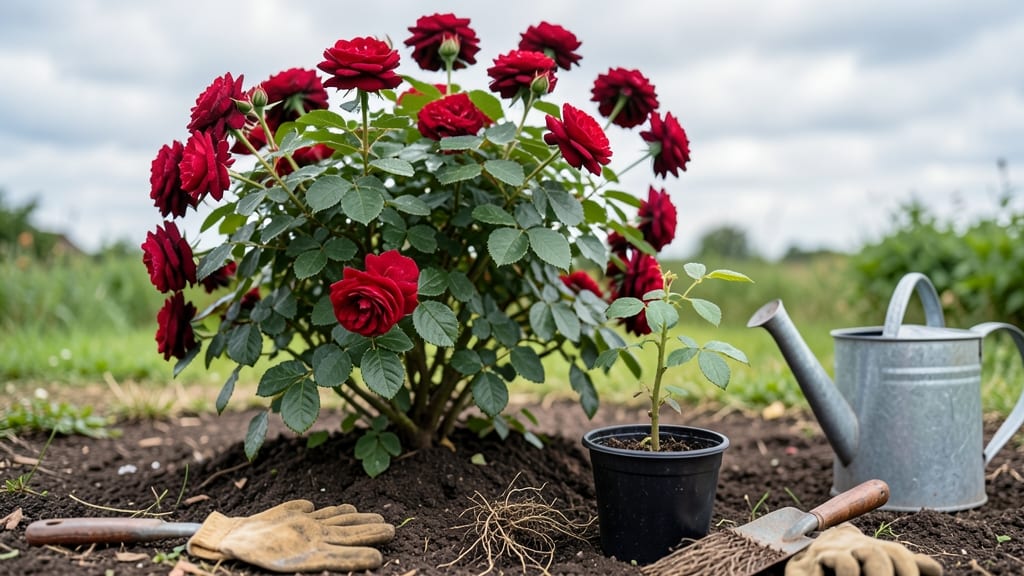
Transplanting a Knockout rose bush without shock is easier than you think—just pick the right time and follow these 5 simple steps that work every season. 🌿 I’ve moved three of these tough bushes myself, and the ones I transplanted in early spring now produce hundreds of blooms all summer long, while the ones I rushed in summer struggled for months to recover.
The secret isn’t complicated: cool soil, deep watering, and minimal root disturbance make all the difference. Most gardeners overthink it—digging too wide, pruning too much, or watering too little. But once you nail these basics, your Knockout roses will bounce back like they never left their original spot.
You’ll end up with a bush that looks thriving within weeks, not wilting for months. The key is timing—spring or fall when roots can establish before summer heat or winter freeze hits. Even if you’ve killed roses before, this method works.
Here’s how to do it right, from soil prep to post-transplant care—no guesswork, just proven results for your yard.
📚 In This Guide
- What you need
- Instructions
- Tips and common mistakes
- Wrapping up and next steps
What you need
- ● Knockout rose bush(es) – Healthy, well-established plants (1-3, depending on your space).
- ● Garden trowel or spade – For digging roots and transplanting.
- ● Pruning shears – To trim damaged or long roots/stems (sterilized with rubbing alcohol).
- ● Garden hose or watering can – With a gentle spray nozzle for hydration.
- ● Compost or well-aged manure – 2-3 gallons per bush for nutrient-rich soil.
- ● Mulch (pine bark or shredded leaves) – 2-3 inches to retain moisture and regulate temperature.
- ○ Transplanting root stimulator – Optional but helpful (follow product instructions).
- ● Gloves and long sleeves – To protect from thorns and sun exposure.
- ● Choose the right time – Early spring or fall (avoid extreme heat or frost).
- ● Test soil pH – Knockout roses thrive in 6.0–6.5 pH; amend if needed.
- ● Prepare the new location – Full sun (6+ hours/day) and well-draining soil.
- ● Water deeply 1–2 days before transplanting – Hydrated roots handle stress better!
Instructions for transplanting Knockout rose bushes
Here's how I move these tough roses without losing a single bloom.
🌱 Step 1: Pick the Right Time and Prepare the New Spot
Transplant on a cool, cloudy day—never in direct sun or heat. I always schedule this for early spring or fall, when temperatures stay between 50-70°F. The new location needs full sun (6+ hours daily) and well-draining soil—Knockout roses hate soggy roots.
Dig a hole twice as wide as the root ball but only as deep as the container's base. Loosen the soil at the bottom with a shovel to help roots spread. I mix in a handful of compost here to give them a nutrient boost without overwhelming them.
🪴 Step 2: Water and Remove the Rose from Its Current Home
Water the rose deeply the day before moving—this keeps roots flexible and reduces breakage. For container-grown roses, I wrap the root ball in a burlap sack or old towel to protect delicate stems. If it's a nursery pot, I gently squeeze the sides to loosen the root ball before lifting.
Slip the rose out carefully, keeping the root ball intact. You'll see roots circling the edges—that's normal, but don't force them apart. If the roots are tightly bound, I use my fingers to tease them gently outward. This prevents girdling later.
💧 Step 3: Position and Plant Without Burying the Graft
Place the rose in the hole so the top of the root ball sits level with the surrounding soil. I always check the graft union (the swollen area near the base) to ensure it's 2-3 inches above soil level—burying it invites disease. Fill the hole with the remaining soil, pressing lightly to eliminate air pockets.
Water slowly but deeply until it drains from the bottom of the hole. This settles the soil and removes air gaps. I never use a hose on full blast—it washes away precious topsoil and disturbs fresh roots.
☀️ Step 4: Mulch and Shield from Stress
Spread 2-3 inches of mulch (like shredded bark) around the base, keeping it 3 inches away from the stem to prevent rot. This conserves moisture and regulates soil temperature. I also install a temporary shade cloth (50% block) if transplanting in summer—it reduces stress from intense sun.
Water every other day for 2 weeks, then taper to once a week once new growth appears. You'll see tiny green leaves emerge within 3-4 weeks—that's your sign the rose is recovering. Avoid fertilizing for 6 weeks to let roots establish first.
✂️ Step 5: Prune and Monitor for Recovery
Trim any broken or wilted stems with clean pruners, cutting just above an outward-facing bud. I never do heavy pruning at transplant time—save that for spring. Instead, I focus on removing only damaged growth to reduce stress.
Watch for new leaf growth in 4-6 weeks—this means roots are taking hold. If leaves yellow, it's usually overwatering (Knockout roses are drought-tolerant once established). Real talk: The first year might have fewer blooms, but patience pays off with vibrant, disease-resistant roses for years to come.
Tips & tricks for transplanting Knockout roses without stress
Moving roses can be nerve-wracking, but these practical tips will help your Knockout roses thrive after transplanting.
Timing is Everything: The 50-70°F temperature range in early spring or fall is non-negotiable for success. I've transplanted in summer heat and lost entire bushes—trust me, the shock is real. If you must move in summer, do it at dusk and keep the rose shaded for the first week. The cool, cloudy day recommendation isn't just ideal—it's essential for preventing transplant shock.
Root Ball Rescue: When teasing tightly bound roots in Step 2, work gently but firmly. I've seen gardeners snap roots trying to force them apart—this creates wounds that invite disease. Instead, use your fingers to gently separate the roots while keeping them intact. For container-grown roses, the burlap sack trick is a game-changer—it protects stems and makes lifting the root ball effortless.
Graft Union Awareness: That swollen area near the base (the graft union) is your rose's Achilles' heel. In Step 3, burying it invites fungal diseases that can kill your plant. I've had to dig up and replant roses because I ignored this—don't make my mistake! Use a small stake to mark the original soil level if you're unsure, then adjust until the graft sits 2-3 inches above ground.
Watering Wisdom: The every other day for 2 weeks schedule in Step 4 is crucial, but how you water matters just as much. I've seen roses drown from heavy watering—always water slowly and deeply until it drains from the bottom. A soaker hose works best, delivering water directly to the roots without disturbing the soil. And remember: Knockout roses are drought-tolerant once established, so yellow leaves usually mean overwatering, not underwatering.
Pro Tips for Transplant Knockout Rose Bush
- Moving roses can be nerve-wracking, but these practical tips will help your Knockout roses thrive after transplanting.
- Timing is Everything: The 50-70°F temperature range in early spring or fall is non-negotiable for success.
- Root Ball Rescue: When teasing tightly bound roots in Step 2, work gently but firmly.
Frequently asked questions
Got questions about transplanting your transplant knockout rose bush without the shock? You’re not alone! Here are answers to the most common concerns—so you can tackle your project with confidence.
When is the best time to transplant a Knockout rose bush?
The ideal window is early spring (after the last frost) or early fall (6-8 weeks before frost). Avoid extreme heat or cold—roots need time to establish in mild conditions. If you must transplant in summer, do it on an overcast day to reduce stress.
How do I prevent transplant shock in my Knockout rose?
Keep the roots moist (but not soggy) for 2-3 weeks post-transplant. Water deeply every 2-3 days and mulch around the base (2-3 inches deep) to retain moisture. Avoid fertilizing for 4-6 weeks—let the plant focus on root growth first!
How long does it take for a transplanted Knockout rose to recover?
Most roses show signs of recovery in 4-6 weeks, but full vigor may take 6 months to a year. Watch for new leaves and buds—these signal success! If no growth appears after 8 weeks, check for root rot or pests (like aphids) and adjust care.
Can I transplant a Knockout rose bush in full sun or partial shade?
Knockout roses thrive in full sun (6+ hours/day), but they’ll tolerate partial shade (4-6 hours) in hot climates. If moving to shade, expect slower growth and fewer blooms. Ensure the new spot has well-draining soil—they hate soggy roots!
What if my Knockout rose looks wilted after transplanting?
Wilting is normal for 3-5 days as the plant adjusts. Trim 1/3 of the foliage to reduce water loss, and shade the bush with a temporary screen (like a piece of cardboard) for a week. If wilting persists beyond a week, the roots may be damaged—recheck pruning and watering.
Are there alternatives to transplanting if my rose is struggling?
Yes! If the bush is small (1-2 feet tall), try container gardening instead. For larger roses, consider dividing the root ball (if overcrowded) or pruning heavily to redirect energy to root recovery. If soil is poor, amend it with compost before transplanting.
Wrapping up and next steps
Transplanting your transplant knockout rose bush doesn’t have to be stressful—with the right prep and care, your roses will thrive! Remember, timing, hydration, and gentle handling are your best friends.
Whether you’re moving a young plant or an established bush, these 5 simple steps ensure a smooth transition and shock-free survival.
Now that you’re armed with knowledge, roll up your sleeves and give your roses the fresh start they deserve! 🌸 Ready to take the next step? Mark your calendar for the ideal transplanting window and watch your garden bloom with confidence.