
Planting
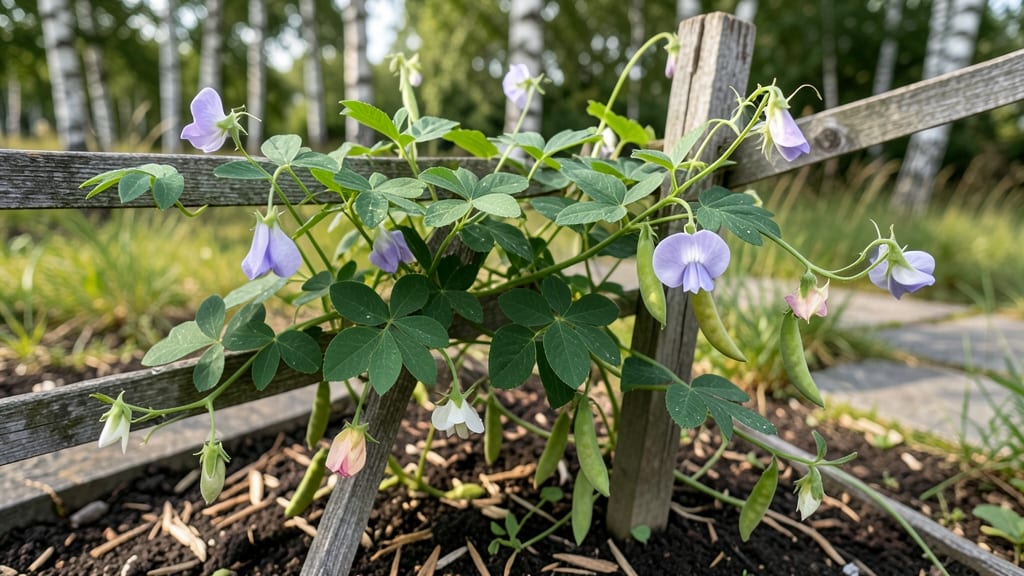
Sweet pea plant height can range dramatically from 2 feet to towering 10 feet, transforming your garden into a fragrant vertical masterpiece.
If you're dreaming of a vertical garden bursting with fragrant blooms, sweet peas are the perfect choice—but not all varieties climb the same. Some reach towering heights of 6 to 8 feet, while others stay compact, making them ideal for trellises, fences, or even balcony railings.
Choosing the right variety is the first step, but proper support and care can push those vines even higher.
With the right trellis and a little pruning, you can coax your sweet peas to reach their full potential—whether you want a dwarf variety for containers or a climbing giant for a dramatic backdrop.
In this guide, I’ll break down the height ranges of popular sweet pea varieties, share tips for maximizing growth, and show you how to set up the best support system for your garden—so you can enjoy a wall of 🌸 blooms all season long.
How tall do sweet pea plants grow? Height variations by variety
Sweet peas are famous for their fragrant blooms and climbing vines, but their height can vary dramatically depending on the variety. If you're planning your garden layout, knowing these differences will help you choose the perfect sweet pea plants for your space.
Some varieties reach 6 to 8 feet, while others stay compact at just 2 to 4 feet, making them ideal for smaller gardens or containers.
Understanding these height variations ensures you select sweet peas that thrive in your garden's conditions. Whether you have a large trellis, a small balcony railing, or even a windowsill planter, there’s a sweet pea variety that will fit perfectly.
Let’s explore the tallest and shortest options so you can make an informed choice.
| Variety | Height Range | Growth Habit | Best For |
|---|---|---|---|
| 'Cupani' | 6 to 8 feet | Climbing | Large trellises, fences |
| 'Blue Moon' | 7 to 10 feet | Climbing | Tall pergolas, arbors |
| 'Tom Thumb' | 2 to 3 feet | Bush/dwarf | Containers, small gardens |
| 'Dwarf Sugar Pea' | 2 to 4 feet | Bush/dwarf | Balconies, window boxes |
| 'Spencer' | 5 to 7 feet | Climbing | Medium trellises, small fences |
| 'Alaska' | 4 to 6 feet | Semi-dwarf | Patio trellises, arbors |
If you're working with limited vertical space, dwarf varieties like 'Tom Thumb' or 'Dwarf Sugar Pea' are excellent choices. These compact plants grow just 2 to 4 feet tall, making them perfect for containers, window boxes, or small trellises.
Their smaller stature also means they require less maintenance and are easier to train.
On the other hand, if you have a large garden or a tall trellis, varieties like 'Cupani' or 'Blue Moon' will create a stunning vertical display. These climbing sweet peas can reach 6 to 10 feet, adding drama and fragrance to your outdoor space.
Just ensure you provide sturdy support, as their vines can become heavy once fully grown.
Choosing the right sweet pea variety depends on your garden’s layout and your personal preferences. For example, if you love romantic cottage gardens, a mix of tall and dwarf varieties can create layers of color and texture.
If you're growing sweet peas for cut flowers, taller varieties will give you longer stems for arrangements.
Another factor to consider is pruning and training. Tall varieties may need more frequent pruning to encourage bushier growth and prevent overcrowding. Meanwhile, dwarf varieties require minimal support but still benefit from occasional trimming to promote more blooms.
Understanding these growth habits will help you keep your sweet peas healthy and thriving.
For gardeners with small spaces, semi-dwarf varieties like 'Alaska' offer a happy medium. They grow 4 to 6 feet tall, making them versatile enough for patio trellises or small arbors.
These varieties are also great for urban gardens where space is at a premium but you still want a vertical garden feature.
When selecting sweet peas, always check the seed packet or plant label for height information. This ensures you’re choosing a variety that fits your garden’s space constraints and support structures.
With the right variety, you’ll enjoy a fragrant, beautiful display that complements your garden’s design while thriving in its environment.
Remember, the height of your sweet peas can also be influenced by soil quality, sunlight exposure, and watering habits. Providing well-draining soil, full sun, and consistent moisture will help your plants reach their full potential, whether they’re dwarf or towering varieties. Happy gardening! 🌸
Tips for maximizing sweet pea plant height without overcrowding
Sweet peas are nature's vertical artists, capable of reaching 6 to 8 feet with the right care. To unlock their full climbing potential, focus on creating an environment that encourages upward growth while preventing overcrowding.
The key lies in combining proper support structures with smart pruning techniques and optimal growing conditions.
One of the biggest mistakes gardeners make is assuming sweet peas will thrive without guidance. Without adequate support, their vines sprawl outward, leading to stunted growth and fewer blooms. Instead, think of them as climbers that need both physical support and careful maintenance to reach their maximum height potential.
Here's how to give your sweet peas the perfect conditions to grow tall and strong:
Step-by-Step Guide to Maximizing Sweet Pea Height
Remember that sweet peas are annuals, so their growth is focused on producing flowers and seeds quickly. By providing the right support and care, you'll encourage them to grow taller while maintaining healthy blooms throughout the season.
Avoid the temptation to crowd plants together—this leads to competition for nutrients and light, resulting in shorter, weaker vines.
With these techniques, your sweet peas will reach their full height potential, creating a stunning vertical display that's perfect for cutting flowers or simply enjoying their fragrant beauty. The key is patience and consistent care—your efforts will be rewarded with towering vines covered in blooms from spring to summer.