
Planting
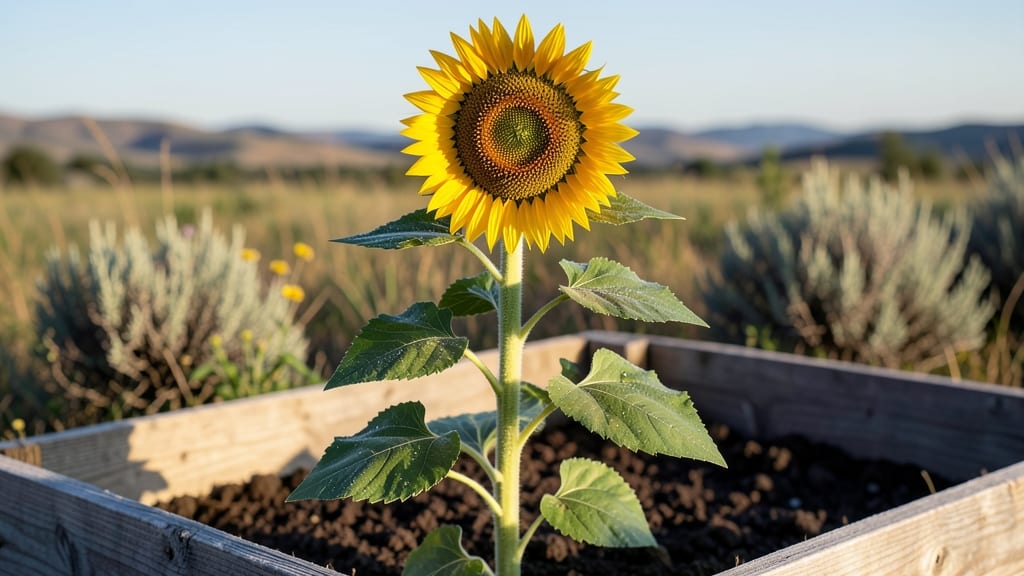
Sunflowers in Virginia thrive with varieties like 'Autumn Beauty' or 'Russian Giant,' planted in late spring after frost danger passes—typically mid-April to May in zones 6-8. Well-drained soil and full sun maximize blooms, while proper spacing prevents disease. Deadhead spent blooms to encourage regrowth and attract pollinators.
Virginia's climate offers perfect conditions for sunflowers, especially when you choose the right varieties for your zone. 🌻 The state's warm summers and long growing season allow these hardy plants to flourish, but timing is everything—planting too early risks frost damage while waiting too long can shorten the bloom period.
I've found that 'Autumn Beauty' produces vibrant, long-lasting flowers perfect for cut arrangements, while 'Russian Giant' can reach impressive heights of 12 feet, making it ideal for birdseed production.
The key to success lies in preparing your soil with compost and ensuring each plant has enough space to grow without competing for nutrients.
For those in cooler zones like 6, starting seeds indoors 4-6 weeks before the last frost date can give you a head start. Meanwhile, gardeners in zone 8 might even get a second planting in late summer for fall blooms.
Remember, sunflowers are heavy feeders, so side-dressing with nitrogen-rich fertilizer mid-season can work wonders for your plants' vigor and bloom size.
💡 In This Article
- Virginia’s Best Sunflower Varieties for Climate and Height Needs
- Virginia Sunflower Planting Calendar by Hardiness Zone
Virginia’s best sunflower varieties for climate and height needs
Virginia’s diverse climate—spanning USDA zones 6 through 8—allows gardeners to grow sunflower varieties tailored to their specific needs, whether for cut flowers, birdseed production, or pollinator support.
The 'Autumn Beauty' variety stands out for its drought tolerance and vibrant bicolor blooms (yellow with red centers), which thrive in Virginia’s heat and humidity. This variety typically reaches 4-5 feet tall, making it perfect for cut arrangements while remaining manageable in smaller gardens.
Its 90-120-day bloom time aligns well with Virginia’s growing season, ensuring flowers appear just as summer transitions to fall.
For those seeking dramatic height and birdseed potential, the 'Russian Giant' variety dominates with stems reaching 10-12 feet and seed heads up to 16 inches wide. This variety excels in Virginia’s warmer zones (7-8) and produces an abundance of seeds that attract goldfinches and other pollinators.
The trade-off? Its massive size requires 24-36 inches of spacing to prevent disease and competition for nutrients. Smaller gardens might prefer 'Teddy Bear' sunflowers, which grow only 1-3 feet tall but produce equally stunning, child-friendly blooms that bloom 60-70 days after planting.
Drought resistance becomes critical in Virginia’s summer heat, especially during dry spells. Varieties like 'ProCut' (a hybrid bred for cut flowers) and 'Moulin Rouge' (with deep red blooms) have adapted to thrive with minimal water once established.
These varieties also exhibit strong disease resistance, reducing the need for fungicides—a practical advantage in Virginia’s humid climate. The key to maximizing their potential lies in well-drained soil with a pH between 6.0 and 7.0, which most Virginia gardeners can achieve with a simple compost amendment before planting.
Pollinator benefits vary by variety, with open-pollinated types like 'Autumn Beauty' and 'Russian Giant' attracting the most bees and butterflies. Their large, flat flower heads provide ideal landing platforms for pollinators, while the seeds offer a vital food source for birds in late fall.
For gardeners prioritizing biodiversity, planting a mix of varieties—such as 'Moulin Rouge' alongside 'Teddy Bear'—creates a layered visual and ecological impact, extending the bloom season from early summer to frost.
When selecting varieties, consider your specific goals: cut flowers benefit from disease-resistant hybrids like 'ProCut', while birdseed production favors tall, open-pollinated types like 'Russian Giant'.
In Virginia’s shorter growing season (especially in zone 6), early-maturing varieties like 'Early Bird' (blooming in 50-60 days) ensure you capture the full summer display before cooler temperatures arrive.
One often-overlooked factor is the sunflower’s day-length sensitivity. Virginia’s long summer days (14+ hours of sunlight) trigger rapid growth in varieties adapted to photoperiodism, but shorter days in fall can cause premature bolting in some types.
This is why 'Autumn Beauty' remains a top choice—its blooms persist well into September, long after other varieties have finished.
For maximum impact, pair sunflowers with complementary plants like basil or marigolds, which deter pests while enhancing flavor and fragrance in the garden. In Virginia’s climate, this combination not only boosts yields but also creates a vibrant, low-maintenance display that thrives with minimal intervention. 🌻