
Planting
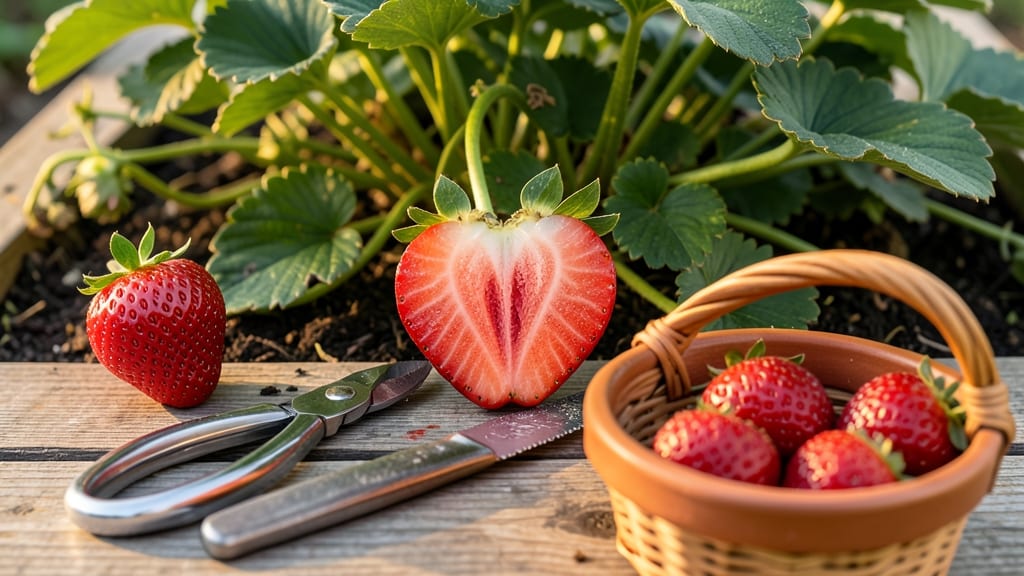
Seeing your strawberries cut in half like tiny halves isn’t just a harvest quirk—it’s your plants screaming for help. 🌱 I've seen this happen after heavy rains, overzealous watering, or even disease stress, and the solution starts with understanding why your berries are literally falling apart before they ripen.
Most often, it's too much water at once. Strawberries need consistent moisture, not soggy soil that causes cells to burst. Poor drainage or compacted soil worsens the problem, turning your harvest into a mushy mess.
Even physical damage from birds or rough handling can trigger this—once a berry splits, it's only a matter of time before it rots.
Here's the good news: fixing it is simpler than you think. Adjust your watering to 1 inch per week, improve drainage with compost, and harvest gently. Within a few weeks, your plants will reward you with plump, whole berries that stay firm until you're ready to enjoy them.
This isn't just about saving your harvest—it's about unlocking year-round strawberry snacks through speed-drying. Those split berries? Perfect for drying into chewy, sweet treats that last months. Let's turn this problem into a solution.
The Hidden Triggers Behind Sliced Strawberries
Ever noticed how strawberries cut in half seem to wilt, discolor, or spoil faster than whole ones? It’s not just your imagination—science explains why slicing these juicy berries accelerates their decline.
Understanding these triggers can help you preserve their freshness and flavor for longer. Let’s break down the key reasons behind the rapid changes in cut strawberries.
When you slice a strawberry, you’re essentially triggering a biochemical reaction. Strawberries contain natural enzymes like polyphenol oxidase (PPO) and peroxidase, which react with oxygen in the air.
These enzymes cause browning by oxidizing phenolic compounds in the fruit. The more surface area exposed (thanks to cutting), the faster this reaction happens.
This process is similar to how an apple turns brown after being sliced. The enzymes are already present in the fruit, but cutting releases them from the cell structure, allowing them to interact with oxygen. To slow this down, you can:
- ✅ Rinse with cold water to remove excess enzymes from the surface.
- ✅ Use an acid-based dip (like lemon juice or vinegar) to inhibit enzyme activity.
- ✅ Store in airtight containers to minimize oxygen exposure.
Whole strawberries are protected by their tough skin, which helps retain moisture and protect the delicate flesh inside. Cutting them removes this barrier, exposing the fruit’s cells to air. As a result, moisture evaporates quickly, leading to wilting and a loss of crispness.
Additionally, the act of slicing can physically damage the cell walls, making it harder for the strawberry to retain water.
To combat this:
- ✅ Pat dry with a paper towel before drying to remove excess surface moisture.
- ✅ Use a dehydrator or oven at low heat (below 135°F) to gently remove moisture without cooking the fruit.
- ✅ Avoid overcrowding in the drying tray to ensure even airflow.
Cutting strawberries creates open wounds, which act like inviting doorways for mold, yeast, and bacteria. These microorganisms thrive in the moist, nutrient-rich environment of sliced fruit.
Unlike whole strawberries, which have a protective barrier, cut halves are vulnerable to contamination from the air, utensils, or surfaces they come into contact with.
To reduce the risk of spoilage:
- ✅ Wash strawberries thoroughly before cutting to remove any surface contaminants.
- ✅ Use clean, sharp knives and cutting boards to avoid cross-contamination.
- ✅ Store cut strawberries in the refrigerator (if not drying immediately) and consume within 24 hours.
Strawberries are highly sensitive to temperature fluctuations and humidity levels. Cutting them increases their susceptibility to these environmental factors. High humidity can accelerate mold growth, while low humidity speeds up moisture loss.
Additionally, leaving cut strawberries at room temperature for too long allows bacteria to multiply rapidly, especially in warm conditions.
For optimal preservation:
- ✅ Store in the fridge at 35–40°F if not drying immediately.
- ✅ Use a dehydrator set to 135°F or below to prevent bacterial growth during drying.
- ✅ Avoid drying in humid environments—opt for a dry, well-ventilated space.
By understanding these triggers, you can take proactive steps to slow down the deterioration of cut strawberries. Whether you’re prepping them for drying, freezing, or immediate use, knowing the science behind the process will help you keep them fresher for longer!
Quick fixes for perfectly dried halved strawberries
Now that you know why your halved strawberries might not be drying properly, let’s tackle the solutions—simple, practical, and foolproof! Whether you’re dealing with soggy slices, uneven drying, or moldy batches, these fixes will help you achieve that perfect chewy-crisp texture every time.
If your strawberries are drying unevenly or staying damp, the issue likely starts with prep. Slicing too thick or leaving the hull on can trap moisture.
How to Fix It:
- 🔪 Slice Uniformly: Use a sharp knife to cut strawberries into ¼-inch thick halves (consistency is key!). Thicker slices dry slower; thinner ones risk browning too fast.
- 🌡️ Remove the Hull: Gently scrape off the green leafy part (the hull) with your knife—it can block airflow and slow drying.
- 🧼 Rinse & Pat Dry: Give them a quick rinse in cold water to remove sugars that attract bacteria, then thoroughly pat dry with a clean towel or paper towels. Moisture is the enemy of speed-drying!
💡 Prevention Tip: Keep your cutting board and knife sanitized to avoid bacterial growth during prep.
Not all drying techniques work the same. If your strawberries are turning mushy or moldy, your method might need an upgrade.
How to Fix It:
| Issue | Solution | Best Method |
|---|---|---|
| Soggy or sticky | Increase airflow or lower humidity. | Dehydrator (135°F for 4–6 hrs) |
| Browning too fast | Add a light lemon juice dip (1 tsp lemon juice per cup of water) before drying. | Oven (low & slow, 170°F for 3–4 hrs) |
| Mold or spoilage | Dry faster or use a food dehydrator with a fan. | Sun-drying (if climate is dry & hot) |
| Uneven texture | Flip halves halfway through drying. | Air dryer (with mesh trays) |
🔥 Pro Tip: If using an oven, prop the door open 1–2 inches with a wooden spoon to let moisture escape. For dehydrators, arrange slices cut-side up in a single layer without overlapping.
Over- or under-drying leads to wasted snacks. If your strawberries are gummy, leathery, or still damp, your timing or heat settings are off.
How to Fix It:
- 🌡️ Check Temperature:
- Dehydrator: 135°F (57°C) is ideal. Too hot? They’ll burn. Too cool? They’ll stay sticky.
- Oven: 170°F (77°C) on low heat with the door ajar. Higher temps = faster browning.
- Sun-drying: Only works in dry climates (below 60% humidity). Avoid if it’s humid or rainy.
- ⏳ Monitor Drying Time:
- Test for doneness: A properly dried half should be slightly pliable but not sticky when pressed. If it springs back slowly, it’s ready!
- Total time: Typically 4–8 hours, depending on thickness and method.
💡 Prevention Tip: Invest in a small kitchen scale to weigh your strawberries before and after drying—aim for a 75% weight reduction for perfect texture.
Even perfectly dried strawberries can spoil if stored incorrectly. If yours are losing freshness too soon, storage is the culprit.
How to Fix It:
- 📦 Airtight Containers: Transfer dried halves into glass jars or Mylar bags with oxygen absorbers to block moisture and air.
- 🧊 Freeze for Long-Term: For storage beyond 3 months, freeze in ziplock bags (they’ll last up to 6 months).
- 🌡️ Cool, Dark Place: Keep in a pantry or fridge (not the door, where temps fluctuate).
✨ Pro Tip: Label your containers with the date—properly stored dried strawberries last 6–12 months!
Still having issues? Here’s a quick cheat sheet:
| Problem | Likely Cause | Quick Fix |
|---|---|---|
| Strawberries stick together | Too much moisture in storage | Add a silica gel packet to the container |
| Bitter or off taste | Over-drying or old fruit | Start with fresher berries; reduce drying time |
| Pests (weevils, etc.) | Improper storage | Freeze for 48 hours to kill pests before storing |
| Color faded | Oxidation from air exposure | Store in opaque containers or wrap tightly in foil |
With these fixes, you’ll go from soggy slices to snack-ready perfection in no time. Happy dehydrating! 🍓✨
Frequently asked questions
Why do my strawberry halves turn brown so quickly after cutting?
Cut strawberries brown due to natural enzymes like polyphenol oxidase reacting with oxygen. The more surface area exposed (from cutting), the faster this happens. Rinse with cold water or dip in lemon juice to slow browning—both help inhibit enzyme activity.
Can I dry strawberry halves in direct sunlight?
Sun-drying works only in dry climates (below 60% humidity) with consistent 70-85°F temps. If humidity is high, mold risk increases. For reliable results, use a dehydrator at 135°F or an oven with the door slightly open.
How do I store dried strawberry halves to keep them fresh?
Transfer dried halves to airtight glass jars or Mylar bags with oxygen absorbers. Store in a cool, dark place (like a pantry) for up to 12 months. For longer storage, freeze in ziplock bags—they’ll last 6 months without losing flavor.
What’s the best thickness for drying strawberry halves?
Aim for ¼-inch thick slices for even drying. Thicker pieces take longer and may stay damp, while thinner ones dry too fast and risk browning. Use a sharp knife for clean cuts—consistency is key to perfect texture!
Can I freeze strawberry halves instead of drying?
Yes! Freezing preserves flavor better than drying for short-term use. Pat dry halves, spread on a tray to prevent sticking, then freeze. Once solid, transfer to a sealed bag. Frozen halves last 8-12 months and work great in smoothies or baked goods.