
Planting
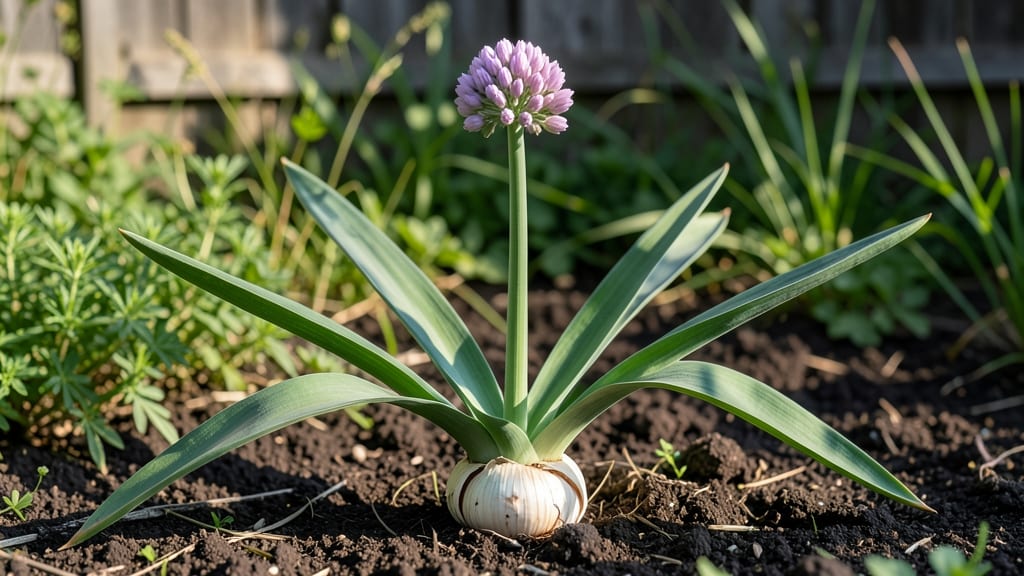
Society garlic plant pictures reveal a striking ornamental stunner that looks nothing like its edible cousin but steals the show with its velvety purple flowers and grassy clumps. 🌿 I’ve grown this ornamental stunner for years, and its striking foliage and clusters of tiny blooms make it a garden workhorse—perfect for borders, containers, or even as a fragrant cut flower.
The key to spotting it? Look for the arching leaves and dense flower spikes that appear in late summer. Unlike true garlic, society garlic spreads via creeping rhizomes, forming lush, evergreen mats that thrive in partial shade. Even in winter, its dark green leaves stay vibrant, adding year-round texture.
You’ll love how it pairs with other shade-lovers like heucheras and ferns, or lets it spill over container edges for a dramatic cascade. The flowers attract pollinators too, making it a double-duty plant for any garden.
Here’s how to tell it apart from lookalikes: no bulb to harvest, no garlic scent, and those distinctive purple blooms that last for weeks. Ready to add this easy-care beauty to your garden?
📚 In This Guide
- What you need
- Instructions
- Tips and common mistakes
- Wrapping up and next steps
What you need
- ● Society garlic plants: At least 3-5 mature plants (or seeds, if starting from scratch) to observe different growth stages. Look for varieties like Allium sativum (hardneck or softneck) or Allium vineale (wild garlic).
- ○ Digital camera or smartphone: A device with at least 10MP resolution for clear, detailed pictures. A macro lens (optional but helpful) for close-ups of cloves, leaves, and flowers.
- ● Notebook or digital notes app: To log observations, growth stages, and variety traits (e.g., leaf shape, flower color, bulb size).
- ● Measuring tape or ruler: For recording plant height, leaf width, and bulb dimensions (in inches or centimeters).
- ● Garden journal or spreadsheet: To track progress over time (e.g., planting date, flowering period, harvest time).
- ● Field guide or plant identification app: Like iNaturalist or PlantNet to cross-reference your findings with expert databases.
- ● Garden gloves: To protect your hands while handling soil or mature bulbs.
- ● Pruning shears: For trimming leaves or stems to focus on specific features in your photos.
- ● Grow lights or sunny outdoor space: If you’re growing society garlic from scratch, ensure it gets 6-8 hours of sunlight daily (or supplement with grow lights).
- ● Reference books or online resources: Such as “The Garlic Book” by Ron L. Engeland or University Extension guides on Allium varieties.
How to identify society garlic varieties and growth stages
Here's how to tell your garlic apart—no gardening degree required. I'll walk you through the key visual cues that distinguish varieties and growth stages.
🌱 Step 1: Examine the Cloves Before Planting
Society garlic (also called hardneck garlic) comes in two main varieties: artichoke and purple stripe. Artichoke types have large, flat cloves that resemble garlic but are actually related to onions. Purple stripe varieties show their name in the clove's papery skin, which has purple streaks or bands. Hold a clove up to the light—you'll see the difference immediately in the shape and color pattern.
Here's the thing—artichoke garlic produces multiple bulbs per stalk, while purple stripe grows a single bulb. This matters when you're deciding which variety to plant based on your harvest goals. I always check the clove size too: larger cloves mean bigger bulbs at harvest time. Store your garlic in a cool, dark place until planting in fall or early spring.
🌿 Step 2: Observe Early Growth (First 4-6 Weeks)
When your society garlic sprouts, look for long, narrow leaves that appear in a fan shape. These leaves are hollow and have a papery texture. You'll notice the first true leaves emerge after about 14-21 days—they'll be about 2-3 inches tall with a bright green color. Don't worry if they look a bit leggy at first; this is normal.
What sets society garlic apart from softneck varieties is the scapes that appear in late spring. These are the curly, wand-like stems that grow from the center of the plant. When you see these, you'll know your garlic is maturing. The scapes are edible and taste like mild garlic—great for adding to salads or soups. I always harvest them to encourage bigger bulb development.
☀️ Step 3: Identify Mid-Season Growth (6-8 Weeks)
By mid-season, your society garlic should have 6-8 sturdy leaves that are about 12-18 inches tall. The leaves will be deep green and slightly waxy. This is when you can start to see the bulb forming underground. Gently dig around the base of the plant—you'll feel the bulb starting to form about 3-4 inches below the soil surface.
Here's where it gets interesting: artichoke garlic will have multiple bulbs growing from the base of the plant, while purple stripe varieties will have a single, larger bulb. The bulb wrappers will start to turn from green to a pale tan or purple, depending on the variety. This is your signal that the plant is shifting its energy from leaf growth to bulb development.
🪴 Step 4: Recognize Late-Stage Development (8-10 Weeks)
In late-stage growth, the lower leaves will begin to yellow and die back, while the upper leaves stay green. This is a natural process and means the bulb is nearly mature. The scapes will have either been harvested or will start to brown and dry out. The bulb wrappers will turn dry and papery, and the cloves inside will start to separate.
To confirm maturity, gently lift a bulb from the soil. If the cloves are plump and firm and the wrappers are dry, it's ready for harvest. If the cloves are still soft or the wrappers are green, wait another week. I always harvest on a dry day to let the bulbs cure properly in the sun before storing. Society garlic bulbs should have 8-12 cloves per bulb, depending on the variety.
⏰ Step 5: Compare Varieties at Harvest Time
When you harvest, lay out your bulbs to compare. Artichoke garlic bulbs will be larger and flatter, often with multiple smaller bulbs attached to the base. Purple stripe varieties will have a single, rounder bulb with distinct purple streaks on the wrappers. The cloves themselves will be white or light purple, depending on the variety.
Here's the thing—artichoke garlic is great for roasting or braiding, while purple stripe is often preferred for cooking due to its milder flavor. Take a few pictures of your harvest to compare with next year's crop. Store your garlic in a cool, dry place with good airflow, like a mesh bag or a well-ventilated box. This will keep it fresh for 6-12 months.
Tips & tricks for perfect society garlic identification
Real talk: distinguishing society garlic varieties can feel like solving a puzzle at first. But these visual cues will help you spot the differences like a pro.
Lighting is Your Best Friend: When examining cloves in Step 1, use natural daylight or a bright lamp. The purple streaks on purple stripe varieties only show up clearly under good light—artificial lighting can wash them out. I keep a small flashlight handy for close-ups, especially when comparing clove shapes. This makes the color patterns and flatness of artichoke cloves much more obvious.
Leaf Count Matters: In Step 3, count those 6-8 sturdy leaves carefully. If your plants have fewer than 6 leaves by week 6, they might be struggling—check for pests or poor soil drainage. I've found that artichoke varieties often develop leaves slightly faster than purple stripe, so if you're seeing a big difference in growth rates between plants, that's your first clue about variety.
Scapes Tell the Story: Don't overlook those curly scapes in Step 2! They're not just edible—their appearance timing can help confirm your variety. Purple stripe scapes tend to appear about 2-3 days earlier than artichoke scapes. When you harvest them, notice which plants produce scapes first—that's often your purple stripe batch.
Harvest Day Photography: Take close-up pictures of your bulbs at harvest (Step 5) using your phone's macro setting. The camera will reveal details you might miss with your eyes—like the exact shade of purple on wrappers or the precise shape of cloves. I always snap shots from multiple angles and store them in a labeled folder for future reference. This visual record becomes your garlic variety cheat sheet for next season.
Pro Tips for Society Garlic Plant Pictures
- Real talk: distinguishing society garlic varieties can feel like solving a puzzle at first.
- Lighting is Your Best Friend: When examining cloves in Step 1, use natural daylight or a bright lamp.
- Leaf Count Matters: In Step 3, count those 6-8 sturdy leaves carefully.
Frequently asked questions
Got questions about society garlic? You’re not alone! Here are some of the most common queries—plus quick answers to help you grow this versatile plant with confidence.
What does society garlic look like at different growth stages?
Society garlic (Allium sativum) resembles regular garlic but grows in clusters (hence the name!). Early on, it sends up thin, grass-like leaves. As it matures, it forms round bulbs with papery skins and smaller cloves (10–20 per bulb). Flower stalks (scape) appear in late spring—pinch them off to boost bulb size. Check out our plant pictures for visual guides!
How long does it take for society garlic to mature?
Society garlic is a slow grower—plan for at least 8–10 months from planting to harvest. If planted in fall, it may overwinter and mature the following summer. For faster results, use pre-sprouted cloves (soak in water for 24 hours before planting) or opt for hardneck varieties, which mature quicker than softneck types.
Can society garlic grow in hot climates? What if it bolts too early?
Society garlic thrives in cool to moderate climates (USDA zones 4–8) but can struggle in extreme heat. If planted in hot areas, shade it during peak sun and water deeply weekly. Early bolting (flowering) is common in warm weather—remove flower stalks immediately to redirect energy to bulb development. Mulch with straw to keep roots cool.
What can I plant instead of society garlic if I want milder flavor?
If society garlic’s bold taste is too intense, try these milder alternatives:
- Elephant garlic (Allium ampeloprasum) – Larger cloves, milder flavor, and faster growth (6–8 months).
- Pot garlic – Grown in pots, produces small bulbs with a gentle garlic taste (great for small spaces!).
- Green garlic – Harvest young shoots for a milder, oniony flavor (ready in 6–8 weeks!).
- Chives – A herbaceous alternative with a mild onion-garlic kick (perennial, regrows yearly).
Why are my society garlic leaves turning yellow or brown?
Yellowing leaves usually signal overwatering, pests, or disease. Check for:
- Root rot – Brown mushy leaves? Reduce watering and improve drainage.
- Garlic bulb fly – Tiny white maggots in bulbs? Remove infested plants and use row covers.
- Fungal issues (like rust) – Remove affected leaves and space plants for airflow.
- Nutrient deficiency – Add compost or a balanced fertilizer if leaves are pale.
For a visual guide, compare healthy vs. unhealthy leaves in our plant gallery!
Wrapping up and next steps
From identifying society garlic varieties to understanding its growth stages, you’ve now got the tools to nurture this versatile plant with confidence! 🌱 Whether you’re drawn to its distinctive clove clusters, fragrant foliage, or culinary potential, society garlic adds beauty and flavor to any garden.
Ready to take the next step?
- 📸 Snap photos of your plants’ progress and compare them to the pictures in this guide.
- 🌿 Experiment with growing conditions—adjust soil, sunlight, or spacing to see what works best in your space.
- 🍽️ Harvest and cook! Share your harvest with friends or try new recipes featuring society garlic’s mild, garlicky punch.
Your green thumb is growing—keep exploring, and happy gardening! 🌟