
Planting
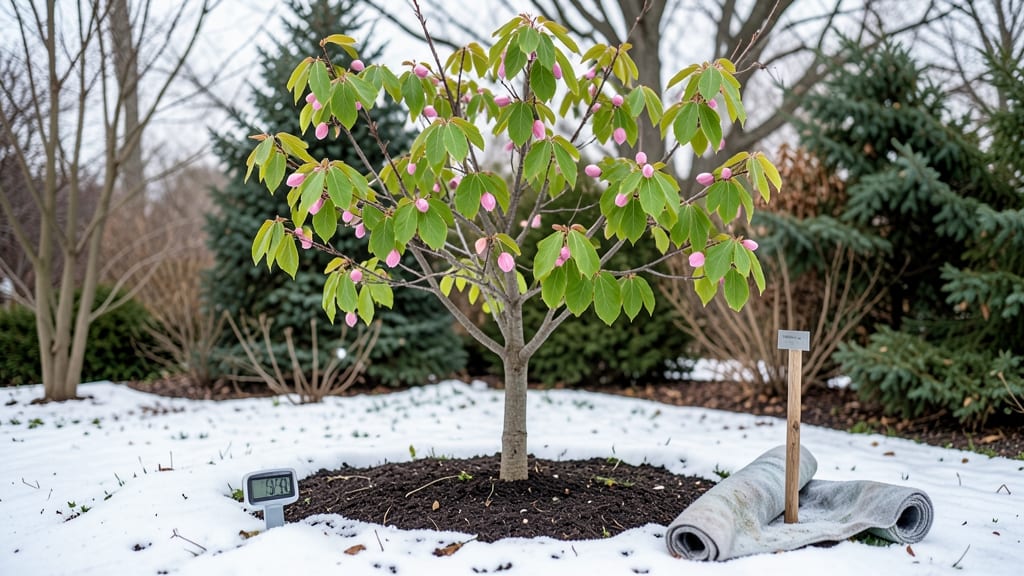
Creating snow-like conditions in summer zones demands frost-resistant plants like alpine strawberries, Siberian bugloss, or hardy ferns that endure sub-freezing temperatures while adapting to warm seasonal shifts. Prioritize species with deep root systems and drought resilience for consistent growth.
This isn't about literal snow, but about replicating its visual impact with plants that thrive in warm climates while handling unexpected cold snaps. 🌨️ The key is selecting varieties that enter dormancy during heatwaves and recover quickly when temperatures drop—think of them as the botanical equivalent of a four-season wardrobe.
For instance, heather and snow-in-summer flowers (Cerastium tomentosum) create that frosty look while requiring minimal maintenance once established. These plants often have silvery foliage that mimics snow's reflective quality, making them perfect for year-round winter wonderland aesthetics without the frost.
What sets these plants apart is their ability to balance two seemingly contradictory needs: they need intense sunlight to flourish in summer but can't tolerate prolonged exposure to temperatures above 90°F.
The secret lies in their root systems, which extend deep to access moisture while insulating the plant from temperature extremes. This adaptation allows them to "sleep" through heatwaves and wake up ready for cooler seasons—just like how some animals hibernate through winter.
💡 In This Article
- How Cold-Hardy Plants Survive Summer Heat and Winter Chill
- Top 10 Cold-Tolerant Plants for Year-Round Summer Gardens
How cold-hardy plants survive summer heat and winter chill
Cold-hardy plants achieve their resilience through a combination of physiological adaptations that act like a built-in climate control system. At the core, these plants trigger dormancy cycles in response to temperature shifts—similar to how some animals hibernate.
For example, alpine strawberries (Fragaria vesca) enter a semi-dormant state when daytime temperatures exceed 85°F, slowing metabolic processes to conserve energy while their roots continue absorbing moisture from deep soil layers.
This adaptation allows them to survive summer heatwaves that would kill most plants, then revive quickly when temperatures drop below 50°F.
Their root systems play a crucial role in temperature regulation. Many cold-hardy plants develop deep taproots that extend 3-5 feet underground, where temperatures remain stable year-round. These roots act as natural insulators, protecting the plant's core from both summer heat and winter cold.
For instance, Siberian bugloss (Brunnera macrophylla) can withstand -20°F temperatures because its roots maintain a consistent 55-60°F environment—cooler than the surface but warmer than freezing air. This root insulation is why these plants often recover faster from frost than shallow-rooted varieties.
Leaf structure also makes a difference. Evergreen plants like heather (Calluna vulgaris) have small, waxy leaves that reduce water loss during heatwaves while their dark color helps absorb heat.
In contrast, deciduous cold-hardy plants like Japanese anemone (Anemone hupehensis) shed leaves in summer to minimize water evaporation, then regrow them when conditions improve. This leaf strategy prevents the plant from overheating while maintaining photosynthesis efficiency during cooler periods.
The result is a plant that looks lush year-round without requiring constant watering.
What's fascinating is how these plants manage water balance during extreme conditions. Many cold-hardy species develop succulent-like water storage tissues in their stems and leaves, allowing them to store moisture during dry spells.
For example, snow-in-summer (Cerastium tomentosum) has fuzzy, silvery leaves that create a microclimate trapping moisture while reflecting sunlight—reducing heat absorption by up to 30% compared to smooth-leaved plants. This dual adaptation explains why these plants thrive in summer zones where water conservation is critical.
Another key adaptation is their ability to produce antifreeze proteins during cold snaps. These proteins bind to ice crystals, preventing them from growing large enough to damage cell walls—a mechanism similar to how fish in Arctic waters survive sub-zero temperatures.
Plants like Primula denticulata (cushion primrose) contain these proteins naturally, allowing them to remain flexible even when temperatures drop below 28°F. This biological trick is what enables these plants to create that "snowy" appearance without actually requiring frost.
For gardeners, understanding these adaptations means you can create microclimates that mimic these plants' natural conditions. Planting in partial shade during peak summer hours (10 AM-4 PM) and using mulch layers (3-4 inches) of organic material can replicate the root insulation these plants rely on.
The mulch acts like a thermal blanket, keeping soil temperatures stable while suppressing weeds that compete for moisture—just like the natural conditions these cold-hardy species evolved in.