
Planting
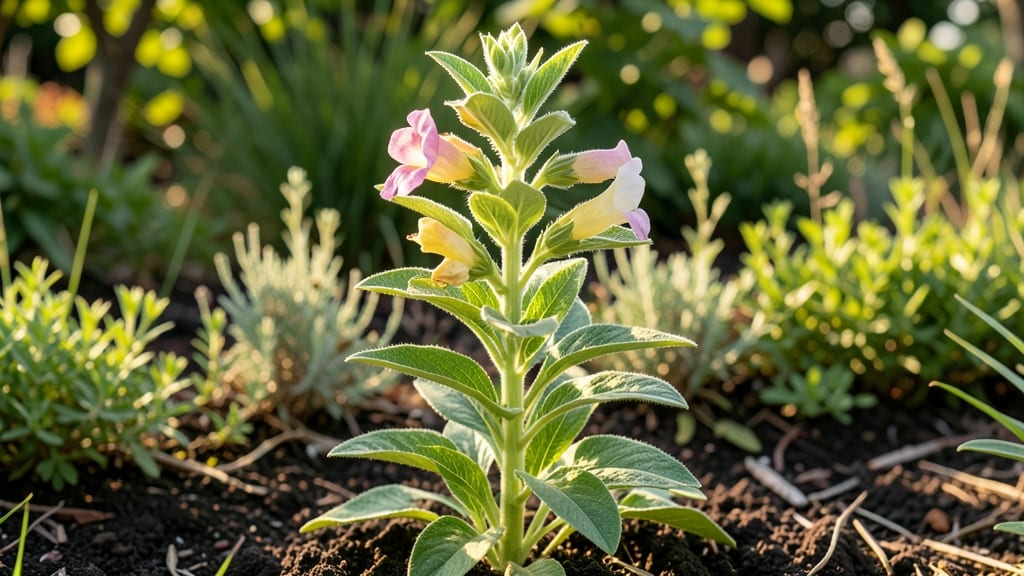
Snapdragon plant leaves might surprise you—they're edible, packed with flavor, and way easier to grow than you'd think. 🌱 I've been using them in salads and teas for years, but the real magic is in how resilient these plants are when you know what to watch for.
Yellowing leaves, spots, or wilting? Those are your snapdragons whispering for help, and I'll show you exactly how to listen.
Most problems boil down to three things: water, pests, or disease. Overwatering turns leaves yellow and mushy, while aphids leave sticky trails and curled leaves. Fungal spots? Usually from poor airflow or wet foliage.
The good news? All of these have simple fixes—like pruning back affected leaves, spraying with neem oil, or adjusting your watering schedule. I've saved dozens of plants with these exact steps.
Once you've got the basics down, you'll harvest tender leaves all season long. They taste like a mix of cucumber and mint, perfect for garnishes or light cooking. The key is consistent care: well-draining soil, morning sun, and regular checks for pests.
Your snapdragons will reward you with bold blooms and crisp leaves that keep coming back.
This works for both garden beds and containers, and the same principles apply whether you're growing the classic red snapdragons or the delicate pastel varieties. Let's get those plants thriving—and your kitchen experimenting!
📚 In This Guide
- What you need
- Instructions
- Tips and common mistakes
- Wrapping up and next steps
What you need
- ● Snapdragon seeds: Choose heirloom or organic varieties (e.g., Antirrhinum majus). Buy 10-20 seeds for a small garden patch.
- ● Well-draining potting soil: 5-10 lbs of organic, slightly acidic soil (pH 6.0-7.0). Mix in 1 part perlite for aeration.
- ● Containers or garden bed: For seedlings: 4-6-inch diameter pots (2-3 per seedling).
- ● For mature plants: 6-inch-deep soil in garden beds or 1-gallon pots.
- ● Watering can or spray bottle: With a gentle misting nozzle for seedlings.
- ● Pruning shears: Sharp, bypass-style (for clean cuts).
- ● Garden gloves: Lightweight, nitrile-coated for handling soil and leaves.
- ● Trowel or small shovel: For transplanting seedlings.
- ○ Sunlight meter (optional): To ensure 6+ hours of direct sunlight per day.
- ● Sunlight: A south-facing window or outdoor space with full sun.
- ● Temperature: Ideal germination range: 60–70°F (15–21°C).
- ● Patience: Snapdragons take 10–14 days to germinate and 8–12 weeks to mature.
- ● Knowledge check: Confirm only young leaves (before flowering) are edible—older leaves can be bitter!
How to identify and use snapdragon leaves safely
Here's what you need to know before harvesting snapdragon leaves for culinary use.
🌿 Step 1: Confirm Plant Identification
Snapdragons (Antirrhinum majus) are annual flowers, but their leaves are edible when properly identified. First, check for the classic snapdragon flower spikes with their distinctive "mouth" shape that opens and closes. The leaves grow in pairs along the stem, lance-shaped with serrated edges and a slightly fuzzy texture.
I always double-check by smelling the leaves—true snapdragons have a mild, slightly sweet aroma. Avoid harvesting if the leaves smell bitter or medicinal, as this could indicate contamination or a different plant. Young leaves are tenderest, so focus on the lower foliage near the base of the plant.
🌱 Step 2: Harvest Leaves at the Right Stage
Snapdragon leaves are best when harvested before the plant flowers. Look for leaves that are 3-5 inches long and have a vibrant green color. Older leaves can become tough and bitter, while very young leaves may lack flavor. Use clean, sharp scissors or pruning shears to cut leaves just above a leaf node.
Harvest in the morning after the dew has dried but before the sun is strongest. This ensures the leaves retain their moisture and flavor. You'll want to pick 2-3 leaves per plant to avoid stressing the plant—too many leaves removed at once can weaken the plant and reduce flowering.
💧 Step 3: Prepare Leaves for Culinary Use
Rinse the harvested leaves under cool water to remove any dirt or debris, then gently pat them dry with a clean cloth or paper towel. Snapdragon leaves can be used fresh, but they also hold up well when lightly blanched for 30-60 seconds in boiling water before cooling in ice water. This process softens the texture and preserves their mild, slightly peppery flavor.
Store fresh leaves in an airtight container lined with a paper towel in the refrigerator for up to 5 days. For longer storage, chop the leaves and freeze them in an ice cube tray with a bit of water or olive oil before transferring to a freezer bag. This makes it easy to add small amounts to dishes without thawing the entire batch.
☀️ Step 4: Use Leaves in Cooking and Preserve the Plant
Snapdragon leaves have a flavor profile similar to spinach or arugula, with a mild peppery kick. Use them raw in salads, finely chopped as a garnish, or lightly wilted into soups and stews. They also pair well with pasta dishes, omelets, or blended into smoothies for a subtle herbal note. Start with small amounts—1-2 leaves per serving—to test your tolerance for their flavor.
After harvesting, avoid over-pruning the plant. Leave at least half the leaves to ensure the snapdragon continues to flower. Water the plant well after harvesting to help it recover. If you plan to harvest leaves regularly, consider growing extra plants—this way, you can focus on one plant's foliage at a time without compromising its ability to bloom.
Tips & tricks for perfect snapdragon leaf harvesting
Here's what nobody tells you about getting the most from your edible snapdragon plants.
Harvesting Technique: When you're cutting those 3-5 inch leaves in Step 2, always use clean, sharp scissors or pruning shears. Dull blades crush the leaves, making them bitter and less flavorful. I like to make my cuts just above a leaf node—this encourages new growth while keeping the plant healthy. And trust me, harvesting in the morning gives you the freshest, most tender leaves with all their moisture intact.
Visual Cues for Quality: In Step 1, when checking for that mild, slightly sweet aroma, also look for leaves with a vibrant green color and a slightly fuzzy texture. Avoid any leaves with yellowing edges or brown spots—they're past their prime. The fuzzy texture is actually a good thing; it's a natural protection that helps preserve the leaves' delicate flavor. If you're unsure about a leaf's identity, I always do a quick taste test on a tiny piece first—it should taste fresh and mild, not bitter.
Blanching Secrets: For that 30-60 second blanch in Step 3, I've found that 45 seconds is the sweet spot for most recipes. Start testing at 30 seconds, then increase in 5-second increments until you get the perfect texture—soft enough to wilt but still holding shape. The ice water bath is crucial too; it stops the cooking process instantly and keeps those leaves bright green. Pro tip: Use a slotted spoon to transfer leaves directly from boiling water to ice water—no soggy batches here!
Storage Wisdom: When storing your leaves for up to 5 days, I recommend wrapping them in a slightly damp paper towel before placing them in the container. This keeps them crisp without wilting. For freezing, I chop the leaves first—this makes it easier to grab just what you need later. And here's a little trick: add a tiny pinch of salt to the ice cube tray before freezing. It preserves flavor and makes thawed leaves ready to use straight in recipes.
Pro Tips for Snapdragon Plant Leaves
- Here's what nobody tells you about getting the most from your edible snapdragon plants.
- Harvesting Technique: When you're cutting those 3-5 inch leaves in Step 2, always use clean, sharp scissors or pruning shears.
- Visual Cues for Quality: In Step 1, when checking for that mild, slightly sweet aroma, also look for leaves with a vibrant green color and a slightly fuzzy texture.
Frequently asked questions
Can you eat snapdragon leaves?
Yes! Snapdragon (Antirrhinum majus) leaves are edible and have a mild, slightly peppery flavor. They’re best harvested young and tender—older leaves can be tough. Use them raw in salads, as a garnish, or cook them lightly to soften the texture. Always ensure the plant is pesticide-free and grown organically if consuming.
When is the best time to harvest snapdragon leaves?
The ideal time to harvest snapdragon leaves is in the morning, after the dew has dried but before the heat of the day. Aim for the youngest, most tender leaves (top growth) for the best flavor and texture. Avoid harvesting more than 1/3 of the plant at once to encourage regrowth. Regular pruning also promotes bushier, leafier growth.
What if my snapdragon leaves turn yellow or wilt?
Yellowing or wilting leaves often signal overwatering, underwatering, or nutrient deficiencies. Check the soil moisture—snapdragons prefer well-draining soil and hate soggy roots. Yellow edges may indicate underwatering or salt buildup, while drooping leaves could mean thirst. Adjust watering (keep soil lightly moist, not soggy) and ensure proper drainage. Pests like aphids can also stress plants—inspect leaves for sticky residue or tiny bugs.
Are snapdragon leaves safe for pets?
No, snapdragon leaves are toxic to pets, including cats and dogs. They contain saponins, which can cause vomiting, diarrhea, or drooling if ingested. Keep pets away from snapdragon plants, especially if they tend to nibble on foliage. If you suspect your pet has eaten snapdragon leaves, contact your vet or a pet poison hotline immediately.
Can I substitute snapdragon leaves in recipes?
If you can’t find snapdragon leaves, try these mild, peppery alternatives:
- Nasturtium leaves (similar peppery bite, edible flowers too)
- Viola (pansy) leaves (mild, slightly sweet flavor)
- Young dandelion greens (earthy, slightly bitter)
- Spinach or arugula (for a quick peppery swap in salads)
Wrapping up and next steps
Caring for snapdragon plant leaves is easier than you think—and the rewards are delicious! Whether you’re harvesting for salads, teas, or garnishes, these versatile leaves offer a peppery kick and vibrant flavor.
Start small with a few plants, experiment with recipes, and soon you’ll be enjoying fresh, homegrown snapdragons year after year.
Ready to dive in? Grab your gardening gloves and try growing a few snapdragons today! 🌱 Whether you’re a beginner or a seasoned gardener, these edible blooms are a fun and tasty addition to your kitchen. Happy growing!